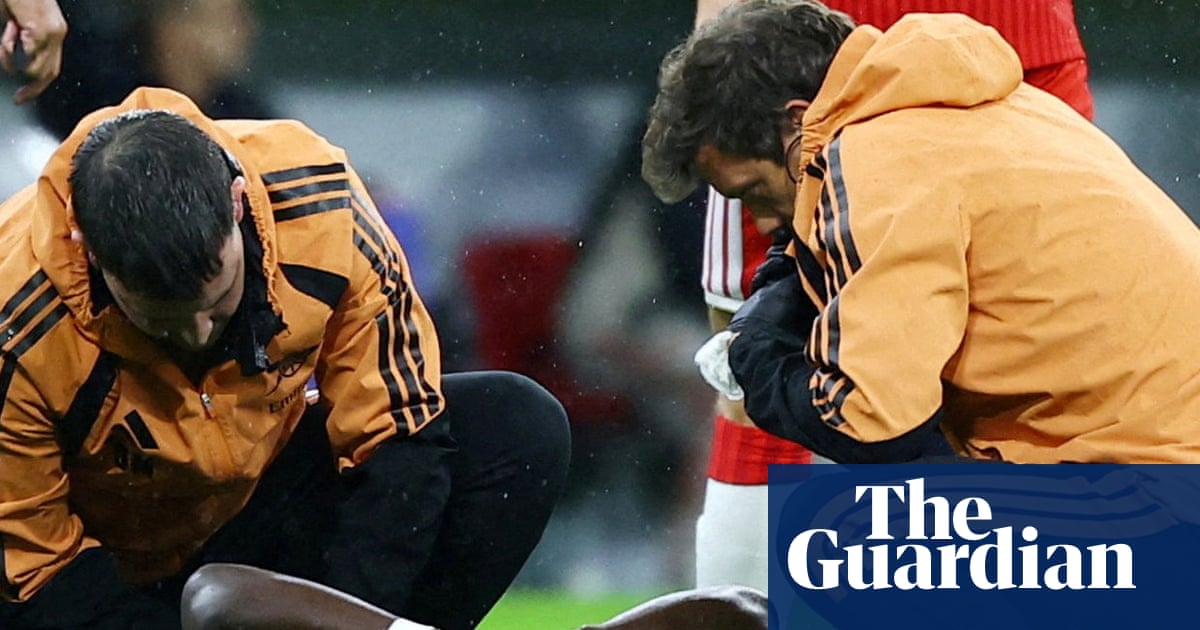
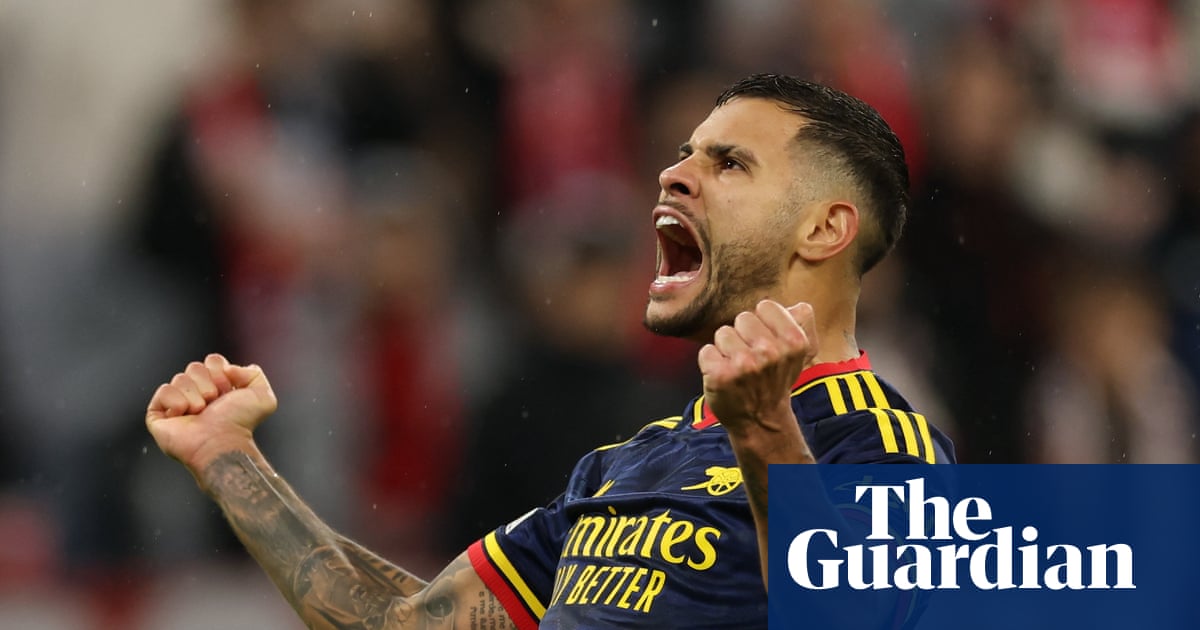
October 24 has an uncanny habit of puncturing invincibility. It is an autumn date carved with bad blood, historic humiliations, and the quiet birth of the organized sport itself.
Long before multi-billion-pound broadcasting contracts, an autumn gathering in Yorkshire produced the world's very first football club. Decades later, the same calendar square became synonymous with flying pizza slices, defenseless goalkeepers, and seismic collapses.
Some dates in the sporting calendar drift by without leaving a mark. October 24 consistently produces pure tactical friction and raw drama.
Origins, Bylaws, and a Street Prodigy
1857: Sheffield FC Drafts the First Rulebook
On a freezing evening in 1857, Nathaniel Creswick and William Prest convened a meeting at Parkfield House in Highfield, Sheffield. They were local cricketers looking for a competitive winter workout to keep their fitness levels intact. Their answer was Sheffield Football Club, recognized today by FIFA as the oldest active football club in the world.
At the time, football was little more than chaotic mob violence across open pastures with zero standard regulations. Public schools in the south played by their own localized rules, arguing endlessly over handling the ball or kicking opponents in the shins.
Creswick and Prest sat down by candlelight and wrote the Sheffield Rules. Their handwritten code formalized concepts that modern football fans take for granted, including corner kicks, solid crossbars, and free kicks for deliberate fouls.
It was hardly an orderly revolution. The Sheffield pioneers spent years clashing with London headmasters who resented northern influence and fought to protect handling the ball. Still, Sheffield's basic framework survived, providing the structural foundation that shaped the modern game.
1985: Wayne Rooney Arrives with a Point to Prove
Wayne Mark Rooney was born on October 24, 1985, in the working-class suburb of Croxteth, Liverpool. English football spent the mid-1980s searching for a dynamic attacker to break through rigid tactical dogmas. In Rooney, Everton and later England discovered a player who combined supreme technical touch with the raw fury of a cage fighter.
Everton threw him into senior action as a teenager, and he attacked top-flight defenders without a shred of reverence. When Alex Ferguson sanctioned a deal worth £27 million to sign him in 2004, critics questioned the astronomical price tag for an unproven teenager. Rooney answered on his debut, hammering a Champions League hat-trick past Fenerbahçe.
He went on to break Sir Bobby Charlton's all-time scoring record at Old Trafford, finishing his Manchester United career with 253 goals across all competitions. His defensive work rate, passing vision, and unselfish link-up play made him the engine of Ferguson's last great European championship side.
Yet his international career left a lingering note of frustration. Despite becoming England's record goalscorer at the time, Rooney never matched the heights of his breakout performances at Euro 2004. Metatarsal fractures, fatigue, and tactical indecision over how to balance Steven Gerrard and Frank Lampard blunted his effectiveness at major tournaments.
Two Generational Collapses at Old Trafford
2004: The Battle of the Buffet Snaps Arsenal's Invincibles
Arsenal marched into Old Trafford on October 24, 2004, carrying a record-breaking streak of 49 league games without defeat. Arsène Wenger brought a side operating at their physical and technical zenith, led by Patrick Vieira, Sol Campbell, and Thierry Henry. Manchester United responded with outright hostility.
Ferguson had no intention of playing an open, attractive football match. Gary Neville and Phil Neville took turns kicking José Antonio Reyes out of rhythm, targeting the Spanish winger with cynical fouls while referee Mike Riley looked the other way. United broke up Arsenal's passing sequences by dragging the game into a physical brawl.
The deadlock finally broke in the seventy-third minute through a moment of blatant gamesmanship. Wayne Rooney drove into the box, felt Sol Campbell extend a leg, and initiated a theatrical dive before contact occurred. Riley pointed straight to the spot.
Ruud van Nistelrooy smashed the penalty past Jens Lehmann, burying the memory of his infamous miss against Arsenal from the previous season. In stoppage time, Rooney tapped home a low cross to cap a 2-0 win on his nineteenth birthday.
The defeat broke something fundamental in Arsenal's psychological makeup. They arrived in Manchester believing they were invincible, but they left realizing that sheer physicality and targeted aggression could still knock them off their stride.
Tempers boiled over in the tunnel immediately after the final whistle. Shouting matches erupted between coaching staffs, and a teenage Cesc Fàbregas threw a slice of post-match pizza directly into Ferguson's face. Arsenal lost their unbeaten aura that afternoon, and their psychological grip on the title race dissolved for years.
2021: Liverpool Dismantle Ole Gunnar Solskjær
Seventeen years to the day after ending Arsenal's invincible run, Manchester United suffered their most embarrassing afternoon of the Premier League era. Jürgen Klopp brought Liverpool to Old Trafford on October 24, 2021, and tore apart Ole Gunnar Solskjær's tactically naive setup.
United attempted an uncoordinated high press without defensive midfielders capable of closing passing lanes. Liverpool sliced through the gaping gaps with ease, as Harry Maguire and Luke Shaw repeatedly collided while chasing runners.
Naby Keïta opened the scoring after five minutes, and Diogo Jota doubled the lead shortly after. Mohamed Salah then put on a clinic, finding space at will to secure a clinical hat-trick. He became the first visiting player in Premier League history to score three goals at Old Trafford.
Liverpool walked off at halftime holding an astonishing 4-0 advantage. Enraged United supporters booed their team off the pitch, and thousands streamed out of the stadium before the hour mark. Solskjær watched helplessly from the technical area with his hands stuffed in his pockets.
For United, this was not an unlucky bounce or a disputed decision. It was a complete tactical dismantling by an opponent who exposed every structural flaw in Solskjær's side. The defensive collapse laid bare years of erratic recruitment and nonexistent midfield discipline.
Substitute Paul Pogba came on at the break to restore order, only to receive a straight red card fifteen minutes later for a reckless studs-up challenge on Keïta. The 5-0 defeat completely shattered Solskjær's managerial authority, leading directly to his dismissal weeks later.
Continental Meltdowns and Clásico Feuds
2010: PSV Crush Feyenoord in a Ten-Goal Blitz
Dutch football has produced plenty of one-sided results, but nothing foreshadowed the massacre that unfolded in Eindhoven on October 24, 2010. Mario Been took a cash-strapped, defensively vulnerable Feyenoord team to face Fred Rutten's PSV Eindhoven at the Philips Stadion.
The opening half-hour appeared competitive until defender Kelvin Leerdam collected an avoidable second yellow card in the thirty-fourth minute. Down to ten men, Feyenoord's defensive structure collapsed into utter disarray.
PSV attacked without mercy against an abandoned Erwin Mulder in goal. Brazilian striker Jonathan Reis recorded a ruthless hat-trick, while Balázs Dzsudzsák and Jeremain Lens netted two goals each. Ibrahim Afellay and Orlando Engelaar added further strikes as Feyenoord players stopped tracking runners entirely.
The match ended in an unbelievable 10-0 scoreline, marking the heaviest competitive defeat in Feyenoord's 102-year history. Away supporters wept in the stands, while Been openly debated his future in front of television cameras.
2020: An Empty Camp Nou Exposes Barcelona's Decline
The autumn of 2020 provided an unsettling spectacle: a Clásico played inside an echoing, empty Camp Nou. Barcelona and Real Madrid walked out on October 24 to contest a fixture overshadowed by boardroom instability and financial distress.
The match exploded into life early. Fede Valverde smashed in an opener for the visitors, but seventeen-year-old Ansu Fati equalized three minutes later with a sharp finish. The goal made Fati the youngest scorer in Clásico history and offered Barcelona a fleeting burst of momentum.
The match swung decisively on a second-half penalty awarded through VAR. Sergio Ramos chased a corner, felt Clément Lenglet tug his shirt, and hurled himself backward with exaggerated theatricality. The referee consulted the pitchside monitor and awarded the spot-kick, which Ramos converted into the bottom corner.
Ronald Koeman reacted with chaotic late substitutions that left Barcelona's midfield completely exposed. Luka Modrić capitalized in stoppage time, dancing past Neto and finishing with a sublime outside-of-the-boot strike to seal a 3-1 win. The defeat exposed the systemic sporting decay that soon forced Barcelona into a painful rebuilding cycle.
Football dynasties rarely dissolve quietly. They break apart in ninety minutes of high-stakes pressure when tactical flaws and bad blood finally erupt in front of the world.
October 24 has repeatedly served as the exact date where football's biggest reputations get tested and torn down. From Victorian cricketers establishing offside rules to Sir Alex wiping pizza off his blazer, this autumn afternoon has consistently delivered unforgettable theater.