The physical toll of a high-stakes preseason
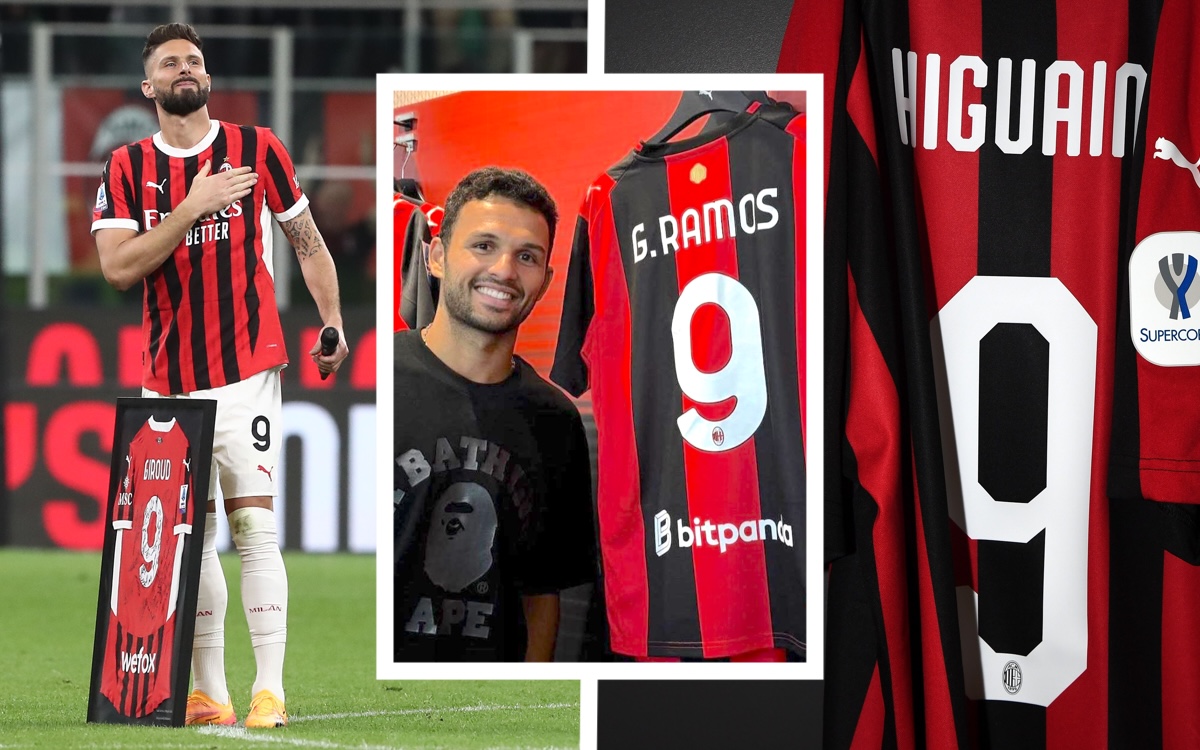
AC Milan’s training sessions at Milanello are intensifying, but the medical staff is tracking persistent concerns that threaten the squad's readiness. While the club looks to integrate new signings like Gonçalo Ramos, who arrives with the heavy expectations associated with the number nine shirt, the internal focus remains on the durability of the current first-team starters. History shows that the number nine jersey at San Siro carries a weight that has broken many predecessors, and physical fitness is the first hurdle in avoiding that trend.
Reports from CorSport suggest the club is monitoring specific fatigue markers to prevent the recurring soft-tissue issues that plagued their previous campaign. A high-intensity tactical shift demands more from attacking players, specifically those required to press from the front. If Ramos or other incoming forwards cannot maintain the required physical output, the coaching staff will be forced to adjust their setup long before the opening match of the season.
Pulisic’s situation requires internal adjustments
Christian Pulisic remains central to Milan’s tactical plan, yet internal discussions suggest the club is managing his workload with extreme caution. According to Calciomercato, there is an acknowledgment from Gerry Cardinale and the front office that the player needs a psychological and physical recharge to reach his peak performance levels. Managers often conflate burnout with lack of effort, but the medical data reveals a different story involving cumulative seasonal fatigue.
The strategy involves a controlled training load specifically designed for the American international. Pulisic has historically struggled with recurring muscle strains during congested fixture lists, making this preventative approach necessary. Critics suggest that if the medical team has to baby a marquee starter this early in the year, the initial fitness screening for the summer transfer window may have been flawed. Efficiency in the training cycle is no longer optional for this roster.
Scouting the future while managing the present
The urgency to identify new talent, such as the pursuit of Konstantinos Karetsas, stems from the fear that the current squad is one or two bad tackles away from a collapse. As reported by SempreMilan, the club is prioritizing these younger profiles to build out a bench that can survive a long-term injury crisis. The reliance on senior players who have historically been injury-prone is a gamble the current front office is trying to exit.
Competing with top European clubs like Borussia Dortmund for these prospects requires a clear vision of how they will develop within the current fitness framework. Karetsas represents the type of high-motor player who can offset the current limitations of the veterans. Should this deal fail, Milan faces a thinner bench than expected for the 2026/27 season, increasing the risk of overworking those already in the infirmary.
The historical shadow of the number nine
The physical expectation for strikers at Milan is high, often resulting in stress injuries as they chase goals that have eluded previous tenants of that shirt. CorSport notes that the mental pressure often manifests physically, leading to tension and restricted movement that invites injury. It is a psychological loop that the medical staff is attempting to break through specialized neuromuscular training.
The club would be wise to recognize that no amount of fancy training equipment compensates for a lack of rotation. Last season, the reliance on a narrow core group led to a dip in performance that almost cost them their league standing. If the manager continues to play his key assets into the ground during the midweek cups, no medical plan will save them from a repeat of previous failures. The focus must remain on squad depth over individual brilliance.