The No. 9 burden and the Ramos gamble
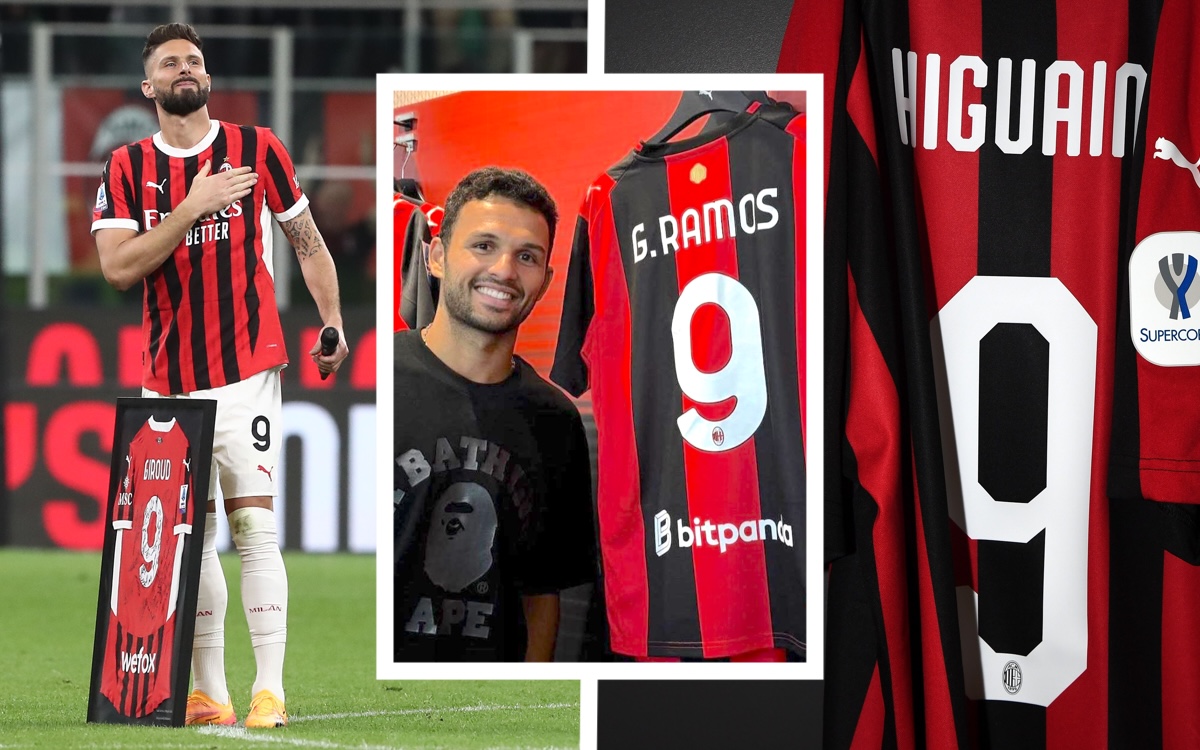
AC Milan has spent the last decade chasing shadows at the center-forward position. The shirt once synonymous with Van Basten, Weah, and Inzaghi has become a graveyard of ambition. Gonzalo Ramos is the latest arrival tasked with ending this hex, an attempt to stabilize a frontline that has lacked consistent production since Olivier Giroud’s exit.
Ramos arrives with a pedigree, but matching the output of a traditional target man is only half the battle. His movement off the ball suggests a high work rate, yet his integration into Paulo Fonseca’s system remains a variable. If he fails to hit the ground running, the pressure from the San Siro faithful will mount before the leaves turn brown.
Pulisic and the search for external drive
The murmurs concerning Christian Pulisic are far more concerning than any jersey curse. Reports from Calciomercato indicate an anxiety within the hierarchy regarding his motivation levels. Pulisic carried the attack during long stretches of the previous campaign, but individual brilliance cannot mask structural deficiencies in the midfield.
Gerry Cardinale has outlined a plan to re-energize the squad, focusing on specialized training metrics and internal competition. Relying on an owner’s motivational strategy is rarely a sign of a healthy dressing room. Without a tactical shift that simplifies the transition phase, Pulisic may well find himself isolated on the flank, much like he was during the closing weeks of April.
Karetsas represents the long-term pivot
Beyond the immediate, the front office is locked in a tug-of-war for Konstantinos Karetsas. As noted by Corriere dello Sport, Milan sees him as the priority target to outmaneuver Borussia Dortmund. It is an aggressive play that signals a shift away from aging stop-gaps toward high-ceiling prospects.
This strategy is sensible in a vacuum, though it does little to address current defensive vulnerabilities. The team conceded an average of 1.4 goals per game in league play last season. Bringing in a creative playmaker like Karetsas is a luxury that Milan can only afford once they stop leaking chances in the defensive third.
A tactical outlook for the season ahead
The 2026 campaign requires a fundamental adjustment in the pressing trigger. Last year, the defensive line was often caught too high, leaving the center-backs exposed to vertical balls through the channels. If the team does not drop the line of engagement by 5-7 meters, the arrival of new attacking talent will be rendered moot.
Management seems trapped between building for 2028 and appeasing the immediate demand for silverware. This duality often leads to inconsistent selection policies. We have seen this before; the squad lacks defined roles, and players are shifted to compensate for tactical rigidness rather than fluidity.
My prediction for the opening month is a stuttering 7 points from 12. There is too much internal friction between the existing personnel and the incoming strategy. Until the defensive organization matches the ambition shown in the transfer window, Milan will likely remain a team of moments rather than a team of rhythm.