A city at a standstill for its defensive architect
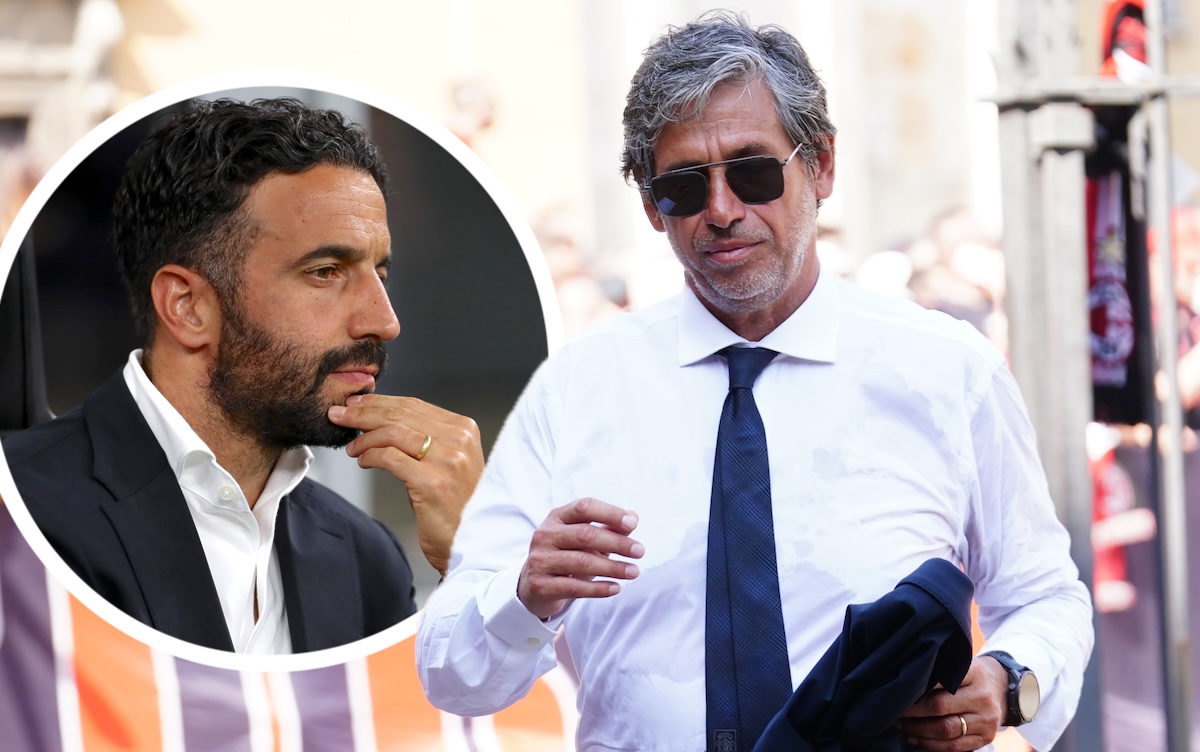
Football usually thrives on noise, movement, and the relentless march toward the next fixture. Today, however, the streets surrounding the Duomo in Milan are silent. Thousands have gathered not for a derby, but for the final farewell to Franco Baresi, a figure whose influence on the game remains etched into the tactical DNA of every modern Italian side.
As notable guests arrive, the sheer scale of the mourning underscores a reality rarely felt in the sport. Baresi was more than a captain; he was the primary reason the high line became a weapon rather than a liability in the late 1980s. Watching him organize a back four was akin to observing a chess master moving pieces before the opponent had even conceived of their next offensive maneuver.
Tactical intelligence beyond the stat sheet
Data points today are obsession-heavy, focusing on pass completion percentages or final-third entries. Baresi’s game was defined by metrics that rarely hit the official reports: the distance closed on an attacker in a split second or the precise angle of a slide tackle that turned defense into an immediate counter-attack. According to reports from the scene, the procession through the city reflects a connection between supporter and player that transcends simple club loyalty.
It is worth noting that modern football has drifted away from the sweeper role Baresi perfected. Managers now favor inverted fullbacks and chaotic pressing triggers that leave center-backs exposed in ways Baresi never would have tolerated. His ability to read the game meant he rarely had to exert himself with unnecessary athletic bursts. He simply existed where the ball was going to be, a form of defensive intuition that seems to be vanishing from the European game.
The weight of the number six
Retiring a jersey number is often a hollow gesture, but in the case of Baresi’s legacy, it was a necessity. His impact is visible every time a team attempts to play out from the back with composure under pressure. While many clubs now prioritize high-intensity ball-winners who operate with brute force, Baresi reminded us that the most dangerous defender is the one who understands space better than the striker.
The funeral proceedings, documented extensively by local outlets, serve as a stark reminder of what is being lost. We are moving toward an era of tactical homogenization where individual genius is frequently replaced by rigid system adherence. Baresi’s brilliance was that he functioned within a rigid system—Arrigo Sacchi’s iconic 4-4-2—yet consistently performed with a level of autonomy that made him the best in the world for nearly two decades.
I expect the upcoming Serie A season will feature plenty of tributes to his memory, but tactical analysis of his career is the only way to truly honor his contribution. His presence on the pitch for 719 appearances for Milan remains a standard that no current defender in the Italian top flight is realistically going to approach. His legacy is not in the trophy cabinet, but in the defensive lines of every team that values intelligence over pure physicality.