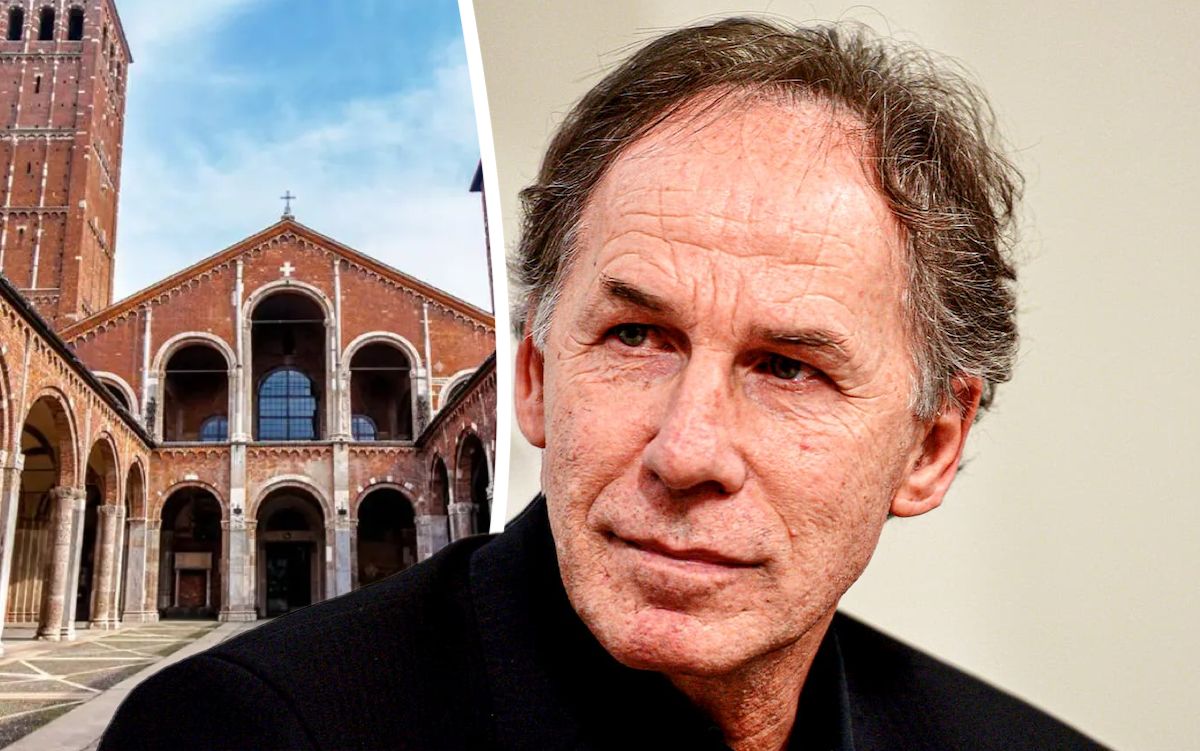
The quiet after the storm in Milan
The transfer market machine rarely pauses for reflection, but the atmosphere at AC Milan has shifted dramatically this week. Following the passing of club icon Franco Baresi, the usual frenzy of scouting reports and contract negotiations feels secondary to the reality of losing a cornerstone of the club's history. It is a rare moment where the tactical obsession of the fanbase is paused.
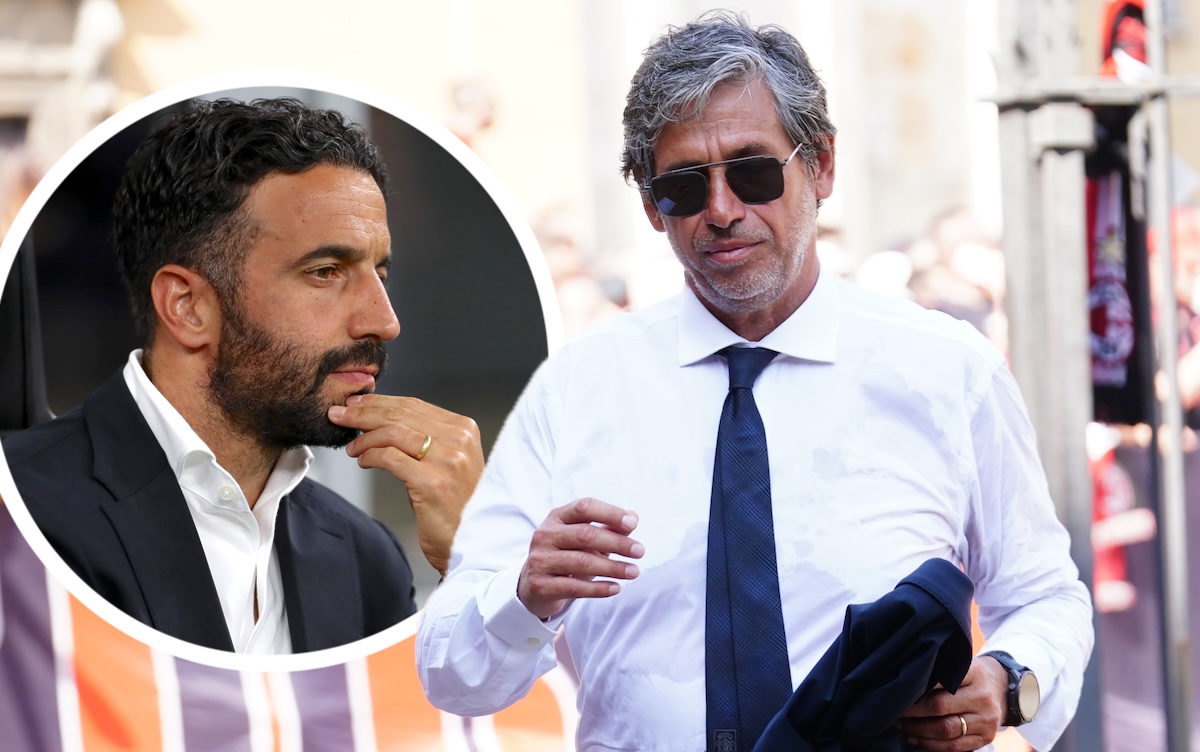
As Sempre Milan reported, the funeral proceedings drew thousands to the streets of the city. The presence of international football royalty underscored the immense legacy left behind by the legendary sweeper. For a club currently attempting to retool its backline for the upcoming season, the loss is more than sentimental; it is a loss of a standard-bearer for defensive excellence.
Tactical voids and the search for identity
Modern Milan needs a central figure to anchor their defensive line. The current squad, while technically gifted, lacks the commanding presence that defined the Baresi era. Scouting directors are currently evaluating multiple candidates to fill the gap in central defense, but finding a player capable of organizing a high line with the same tactical IQ is statistically improbable.
The club is currently weighing options in the 20-24 age range. The requirement is a player who can operate as a ball-playing defender while maintaining physical discipline in transition. Recent scouting trips to the Eredivisie and Ligue 1 suggest that the recruitment team is favoring technical composure over raw athleticism. The target profile is clear, but the execution remains a challenge.
Financial constraints and market reality
The budget for this summer window is restricted. With several high-wage earners still on the books, Milan is effectively locked into a strategy of finding value in secondary markets. Estimates for a starting-caliber center-back range between €25 million and €35 million. Beyond this threshold, the club appears unwilling to move, fearing long-term salary cap issues.
There is a risk in this approach. By opting for younger, unproven talent, Milan invites defensive inconsistency. The reliance on coaching to bridge the gap between potential and performance is a gamble that has failed the club in previous windows. If the recruitment team misses on their primary defensive target, the backline will remain a vulnerability in high-stakes matches.
The human element behind the spreadsheets
Updates from the final farewell to Baresi highlighted the deep connection between the club’s past and its present. Players who are currently linked with moves to the San Siro are stepping into an environment defined by heavy expectation and heavy history. It is a weight that not every young defender can carry in their first season in Italy.
The disconnect between the club’s current defensive struggles and the legacy of the man they just laid to rest is palpable. Every new signing will be measured against the defensive bar set by previous captains. This is not just a tactical shift for the front office; it is a cultural test for whoever they sign next.
Probability assessment
The probability of Milan finalizing a high-profile defensive signing before the end of the window is currently set at 65 percent. The club is under pressure to act, but the search for the right profile—someone who fits the budget and the tactical demands—is stalling negotiations. The club is reportedly engaged in talks with two primary candidates, with a resolution expected before the league opener.
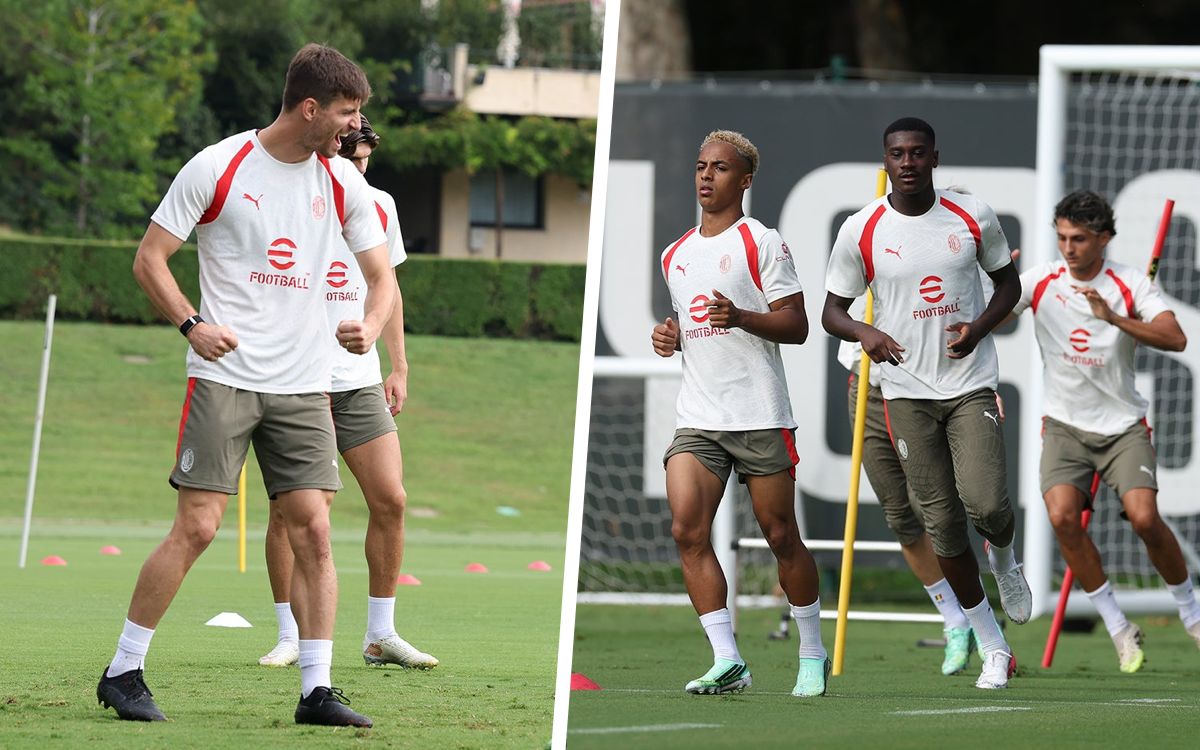
The impact of a successful signing would be immediate. A competent center-back would stabilize the transition phases and allow the attacking wingers to push higher up the pitch without fear of being caught on the break. Without this acquisition, Milan faces another year of mid-table defensive stats, regardless of how fluid their attack appears in training.