The Serie C gamble
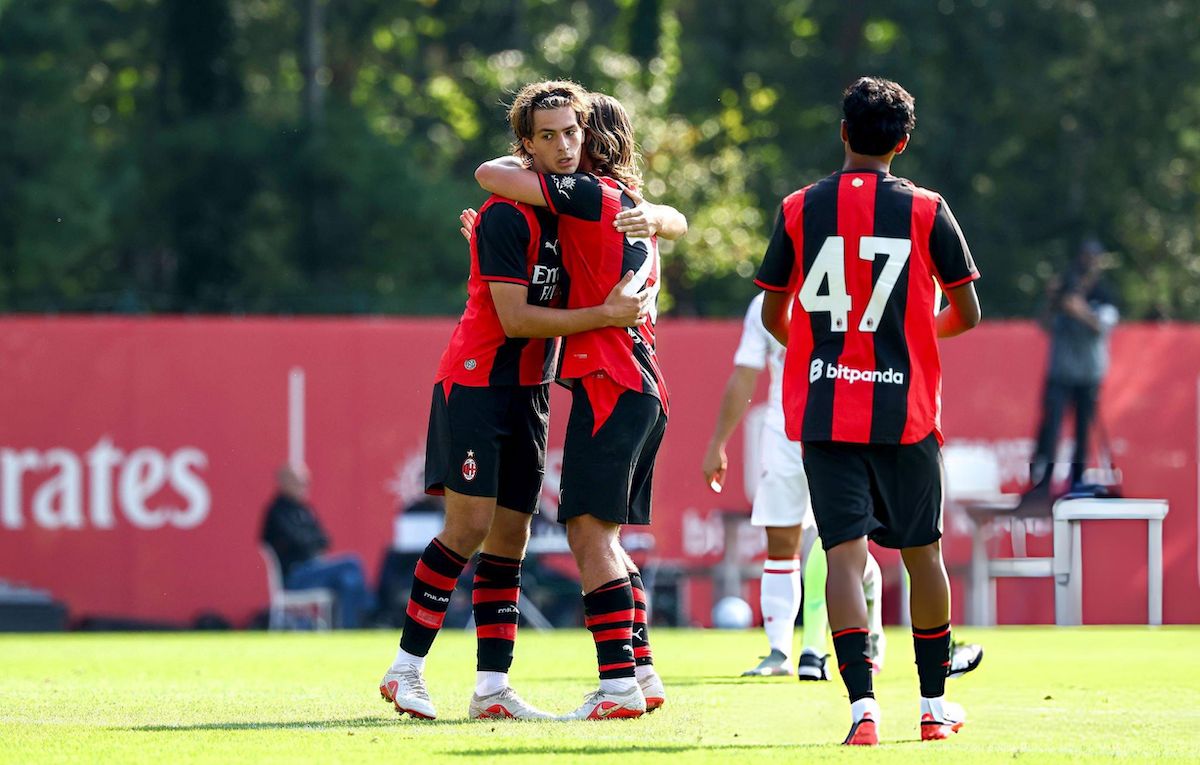
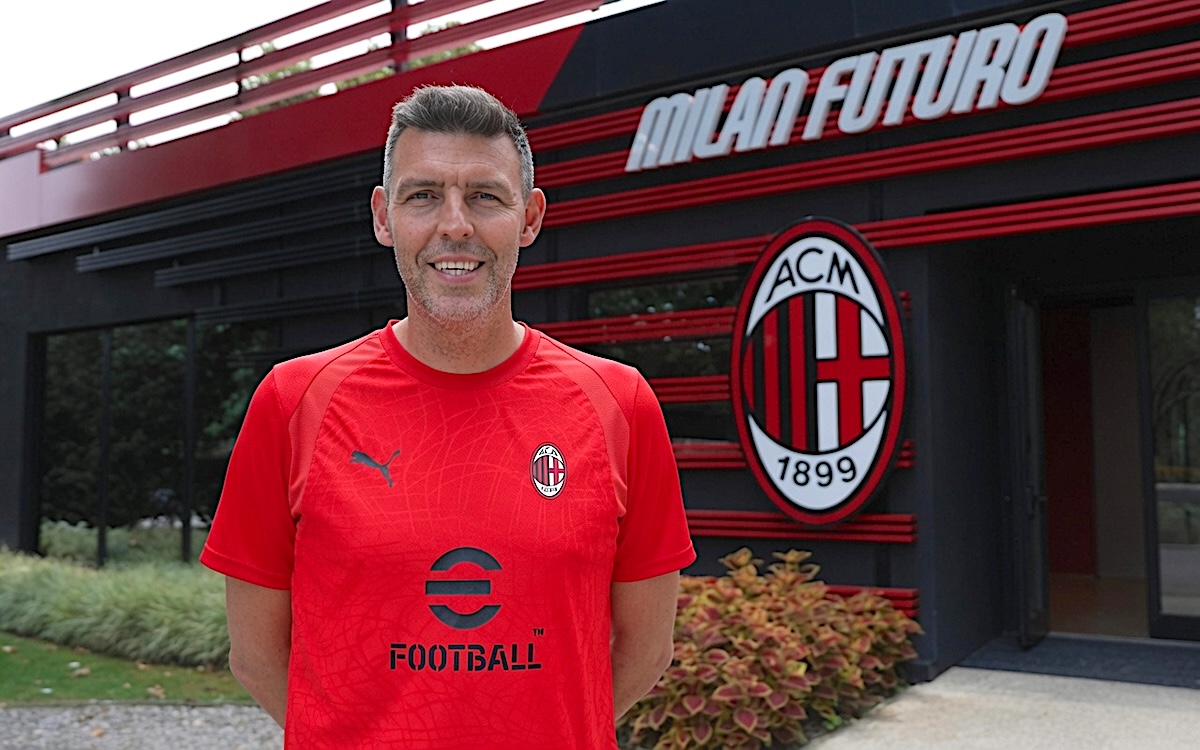
AC Milan are committing to an aggressive gamble by slotting their second team, Milan Futuro, directly into Serie C. This isn't just a reserve side playing friendlies in empty training grounds; it is a full-fledged participation in professional Italian football managed by Daniele Bonera. Entering this tier comes with significant pressure, as the squad must balance development with the physicality of three points each weekend.
Daniele Bonera inherits a roster caught between academy idealism and the grit of professional football. The inclusion of Milan Futuro in the third tier offers a bridge that the previous Primavera setup lacked. It is a necessary friction. Watching these players clash with veteran Serie C defenders will reveal which prospects have the fortitude to eventually transition into the senior squad.
Tactical shift and personnel management
The recent management of the squad reveals a focus on flexibility. The club has already signaled their intent by signing Edoardo Zanaga from Empoli to reinforce the depth of the squad. As AC Milan confirmed, the forward joins specifically to provide options for Bonera’s tactical rotation. Adding players of this caliber suggests the club is not content with simply existing in the division; they are building to compete.
We have also seen unconventional adjustments regarding player trajectories. Kevin Zeroli’s presence in the Futuro camp has raised eyebrows, though it is framed as a temporary measure to ensure his development remains on track. According to recent reports, Zeroli is using the stint to sharpen his match fitness before rejoining senior duties. This level of fluidity demonstrates a willingness to prioritize individual paths over rigid team structures, a trait that is rare in modern Italian youth development.
The Navarro influence
The organizational structure behind this project is designed for long-term output. Under the guidance of Antonio Navarro, the setup is aiming for an integration level that avoids the silos typically seen in Italian youth systems. Navarro is central to the strategy, focusing on identifying how these prospects function within the high-intensity, vertical pressing style demanded by the modern game. As La Gazzetta dello Sport highlighted, the timeline for these players is precise.
There is, however, a inherent flaw in this logic that critics are already circling. Loading a team with prospects and hoping they gel against seasoned professionals often results in early-season defensive collapses. Young center-backs struggle with the 'dark arts' of Serie C—the tactical fouls at the 40-minute mark and the time-wasting in the final ten. If Bonera cannot teach his backline to manage the game state rather than just playing the vertical pass, expect significant points volatility in the opening month.
The outlook
Predicting outcomes for youth-heavy squads is an exercise in volatility, but the data suggests a difficult transition period. Expect Milan Futuro to dominate possession stats but suffer on set-piece tracking during the first five rounds of play. They will likely finish in the middle of the table, not because of a lack of technical ceiling, but because the average age of the squad hinders their ability to close out 1-0 leads in hostile environments.
Confidence in this project hinges on whether the club treats these matches as developmental laboratories or results-driven experiments. If they force a rigid tactical identity before the players are physically ready for adult contact, the experiment risks alienation. For now, the integration is fluid. I predict a top-ten finish; not because they will be the most talented side, but because the sheer volume of high-level talent will force results even when the team structure falters.