The Serie C gamble
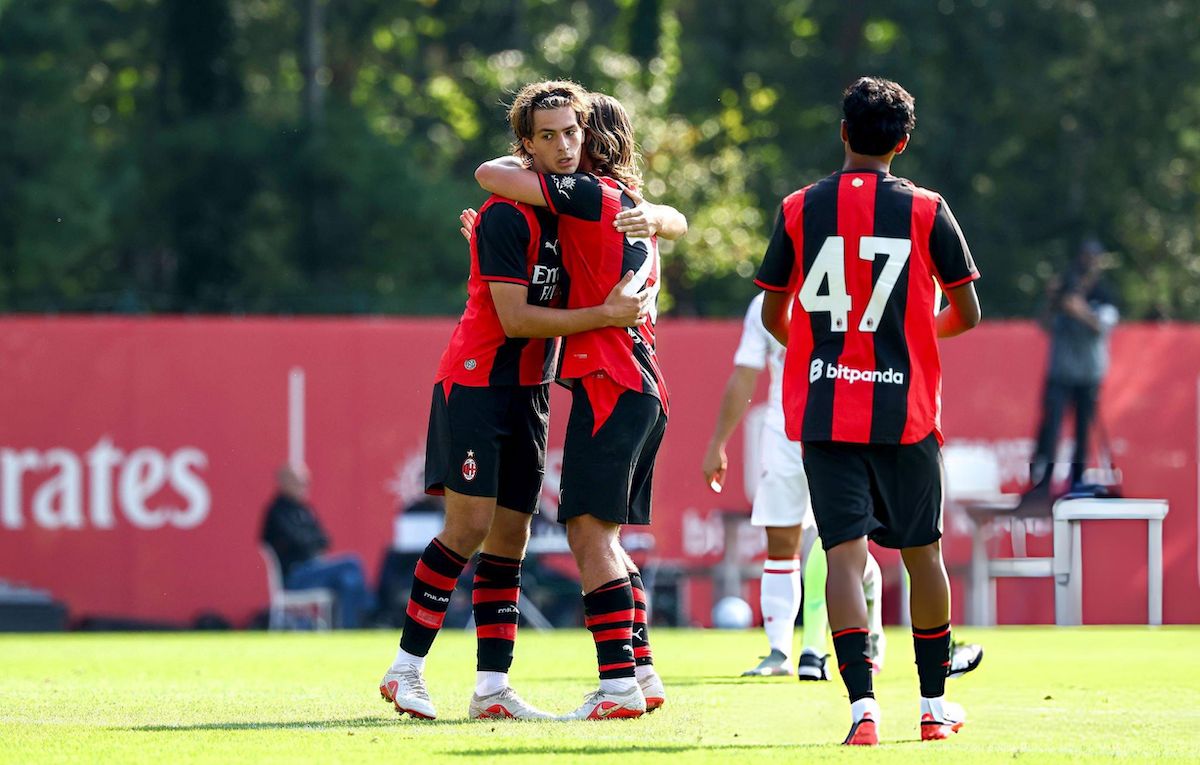
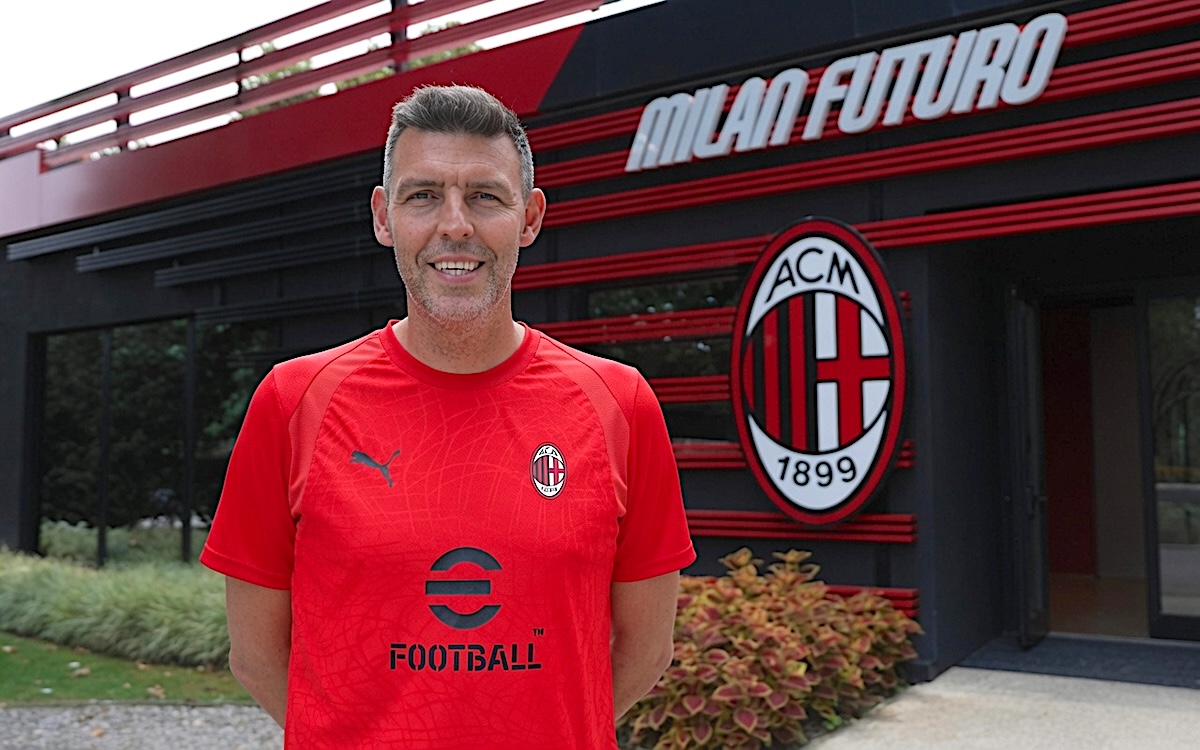
AC Milan are committing to an aggressive gamble by slotting their second team, Milan Futuro, directly into Serie C. This isn't just a reserve side playing friendlies in empty training grounds; it is a full-fledged participation in professional Italian football managed by Daniele Bonera. Entering this tier comes with significant pressure, as the squad must balance developmental minutes with the high-stakes requirement of remaining competitive against seasoned veterans.
The Navarro era and the squad composition
Jovan Kirovski and the scouting department are betting that integrating talent through the U23 pathway provides more stability than the traditional loan carousel. The project, overseen by the technical leadership, has already begun to crystallize with the arrival of Edoardo Zanaga from Empoli. The 17-year-old striker joins the ranks specifically for the Futuro project, reinforcing the club's intent to capture and develop domestic prospects before they hit top-flight valuations.
The Zeroli factor
Kevin Zeroli’s temporary assignment to the Futuro roster serves as the most telling statistic for the reality of this transition. While Zeroli remains firmly in the first-team orbit according to recent reports by MilanNews, he is currently logging minutes in the lower tiers to maintain match sharpness. Using a player of his standing in the third division highlights a core tension: finding the balance between shielding top prospects and ensuring they don't stagnate on the bench.
Structural expectations
The Gazzetta dello Sport reports that the focus remains on physical maturation and tactical disciplined positioning. The coaching staff has earmarked specific windows for progress assessments, particularly as the team gears up for their official debut in the upcoming Coppa Italia Serie C. Managing a squad that fluctuates between youth standouts and first-team fringe players presents a headache for the sporting management.
Risks and rewards
The reliance on the U23 model is not without its pitfalls. If the squad fails to secure points early in the season, the pressure on a technical project often leads to rash, short-term personnel changes. The commitment to this newly formed structure demands patience that the Italian football media rarely affords managers or directors. Success in this experiment will be measured by the number of players who graduate directly to the senior match-day squad, not by league position alone.
Ultimately, the movement of talent like Zeroli indicates that Milan is viewing Futuro as a flexible tool rather than a static entity. This utility will be tested in weeks, not months. Analysts will be watching the minutes distribution closely to see if Bonera can actually convert these prospects into tangible first-team assets while navigating the grind of a 38-match calendar.