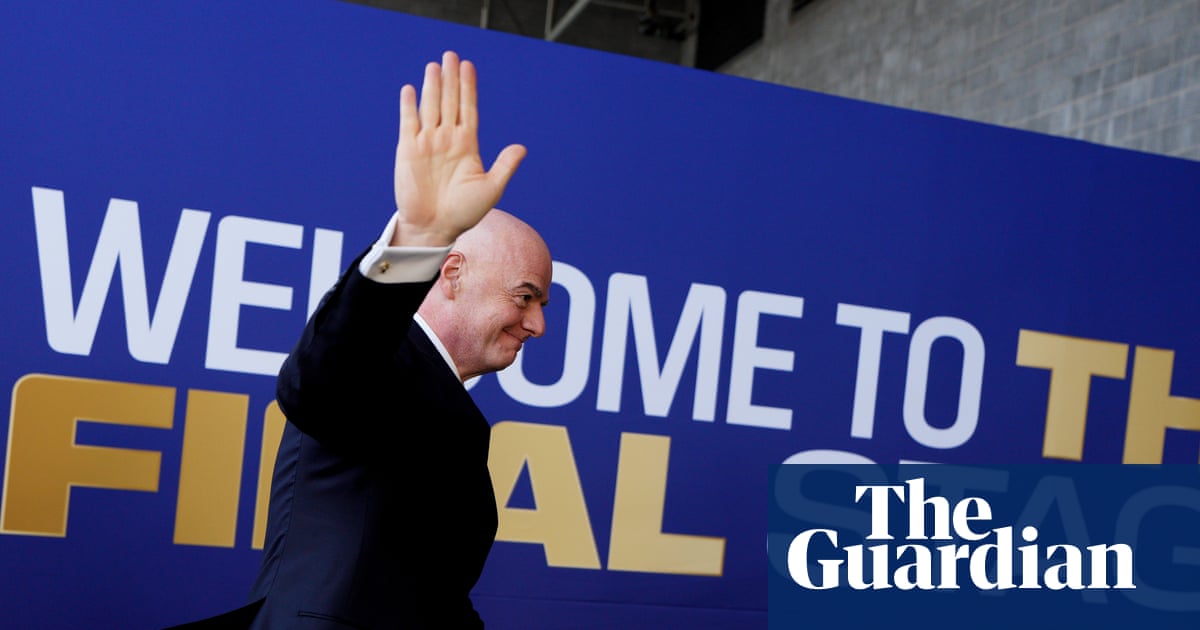
Michele Kang is turning London City Lionesses into a WSL juggernaut

The aggressive expansion at Princes Park
The recent transfer activity at London City Lionesses is not just a standard window of recruitment. It is a systematic dismantling of the status quo in the English women's game. Since Michele Kang took control, the club has moved from being a mid-table second-tier entity toward a squad built with top-flight ambition.
Observers are tracking every incoming signature because the volume of talent arriving is disproportionate to their current division. Kang has effectively signaled an intent to bypass the typical five-year growth plan. She is deploying capital in a way that forces the rest of the league to respond or risk obsolescence.
The math behind the movement
Consider the logistical shift required for a club that finished in the bottom half of the Championship during the 2025/26 campaign. Investing heavily while operating outside the WSL's immediate broadcast revenue pool is a gamble. Yet, the strategy aligns with Kang’s broader vision for global football networks. As The Guardian reported, the scale of this investment has raised questions about parity and long-term sustainability.
If the arrivals do not manifest as immediate promotion, the financial burn rate will be scrutinized. Signing high-profile players before securing the top-tier spot creates a pressure cooker environment. Managers usually prefer roster flexibility, but the current board is demanding results by the 2027 season. There is no room for a transitional year when the payroll exceeds that of half the established WSL clubs.
Missing the defensive mark
Despite the offensive flair being brought into the side, there remains a glaring concern regarding defensive structure. Rapid squad turnover frequently destabilizes back-line chemistry. You can import all the creative midfielders available, but failing to secure a reliable, cohesive defensive unit will see them leak goals against disciplined counter-attacking opponents.
We have seen this script before in both domestic and international football. When a sporting director prioritizes high-value assets over tactical positional balance, the inevitable result is a erratic points tally. The Lionesses finished the last term with a negative goal difference, and buying new names does not automatically solve the tactical rigidity that led to those deficits.
The regulatory lens
External observers compare this to the pivot we see in AI governance, where industry leaders suddenly want to be the ones holding the drafting pen. Much like Demis Hassabis suggesting an AI oversight body, the sudden influx of private equity into women's sports demands a regulatory check. It is reasonable to ask if the governing bodies are prepared for this level of private intervention.
If the London City Lionesses project works, it will change how women's clubs operate globally. If the integration of high-price talent fails to produce a promotion, it will provide a cautionary tale for investors. The risk is not in the money being spent, but in the assumption that individual technical skill compensates for tactical institutional weakness.
Adidas Unisex Adults' Club Soccer Ball
Train like the pros with a durable ball built for every backyard match.
Frequently Asked Questions
What is Michele Kang's strategy for London City Lionesses?
When does the club expect to see results from this investment?
What is the main risk identified in the club's current recruitment?
Why is the club's financial approach considered a gamble?
What happens if Michele Kang's project fails?
More Coverage

Man City are about to find out how brutal European midweeks really are
6 days, 13 hours ago
Liverpool pay price for thin squad depth after Vivien Endemann injury
1 week, 1 day ago
Arsenal's crisis deepens while London City redefine WSL pressing
1 week, 1 day ago
Renée Slegers is running out of time to fix Arsenal's tactical chaos
1 week, 1 day ago
London City's Spurs blowout and Chelsea's win set a fiery WSL pace
1 week, 2 days ago
Arsenal Women are spiraling and Sunday at Man City could get ugly
1 week, 4 days agoMore Analysis
Man City are about to find out how brutal European midweeks really are
6 days, 13 hours ago
Arsenal's crisis deepens while London City redefine WSL pressing
1 week, 1 day ago
London City's Spurs blowout and Chelsea's win set a fiery WSL pace
1 week, 2 days ago
Billy Meredith's £10 bribe launched Manchester United's original dynasty
2 weeks ago
Milan make early Anguissa contact as midfield reshuffle takes shape
2 weeks, 5 days ago