The surface debate for the 2026 World Cup final
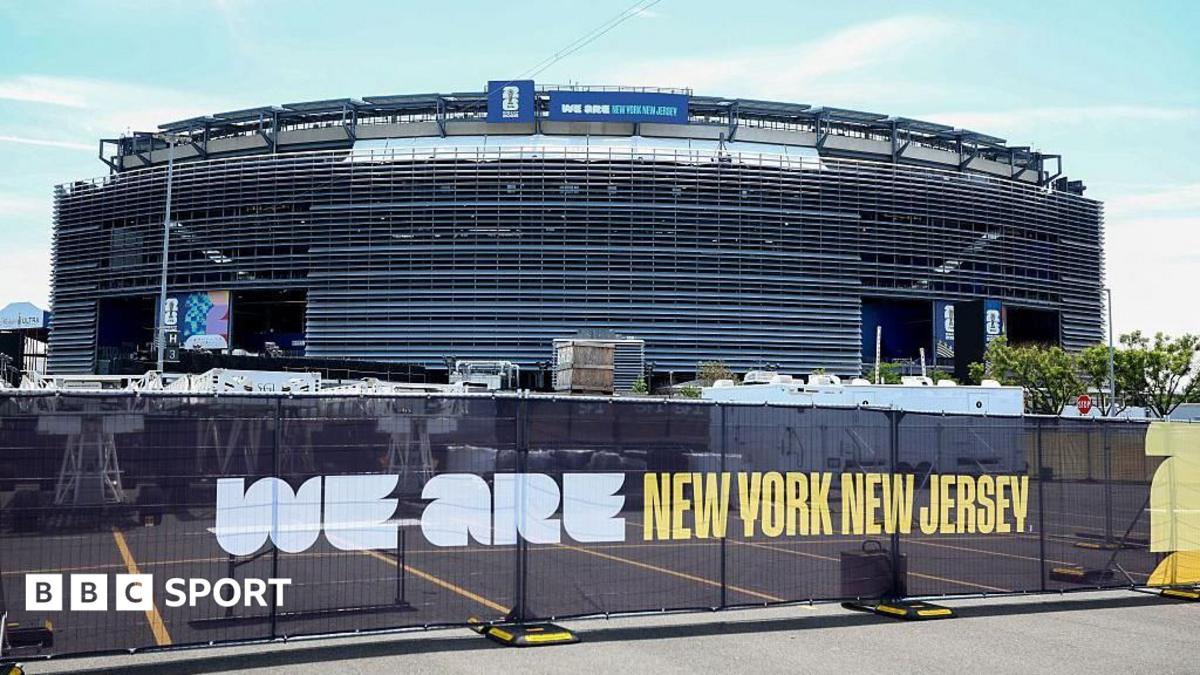
FIFA recently confirmed MetLife Stadium as the host venue for the 2026 World Cup final. The decision immediately shifted focus to the facility's playing surface. As BBC Sport reported, the choice was not without controversy regarding the suitability of the pitch.
MetLife Stadium relies on an artificial turf surface for its primary tenant, the New York Giants. FIFA mandates natural grass for international tournament fixtures. The conversion timeline is tight. Grounds crews must install a temporary grass pitch over the existing synthetic base before the tournament begins.
Injury risks and surface history
Players and union representatives have long criticized artificial turf for increasing lower-body injury rates. Specifically, ankles and knees face higher stress on synthetic fibers compared to natural grass. The physics of how a cleat interacts with turf material often results in fixated rotation—a primary mechanism for ligament tears.
This is not a new issue for the venue. During the 2023 season, several high-profile players voiced frustration regarding the footing at the meadowlands base. Clinical data suggests that transition surfaces—where grass is laid over plastic carpet—can create uneven pockets. This instability poses significant dangers to athletes sprinting at top speeds.
Strategic and logistical challenges
The transition process for MetLife requires a specialized, modular grass system. FIFA has experience with this at other NFL venues, but the scale of a World Cup final brings heightened pressure. If the surface is not perfectly bonded to the underlying base, the field can shift. This exact scenario has previously halted matches in other major football tournaments.
Beyond the immediate injury risk, the stadium's logistics for player recovery are under scrutiny. Medical teams require seamless movement between the bench and the tunnel. Recent renovations at the stadium have been criticized by some staff for poor sightlines and cramped player access points. These small frictions complicate the work of physiotherapists when an acute injury occurs mid-match.
Comparing stadium readiness across the host list
Competing venues like SoFi Stadium face identical surface conversion rules. However, MetLife holds the largest capacity, making the stakes for a player injury significantly higher. A high-profile star suffering a non-contact knee injury in the final match would be a massive public relations blow for the tournament organizers.
Historically, stadiums that switch surfaces for a one-off event struggle to maintain optimal soil moisture. Dry, loose turf causes players to lose traction during directional changes. If the humidity in New Jersey is high in July, the water management system must be flawless to prevent the grass from becoming slick or turning into sand-filled patches.
Assessing the medical-logistics reality
The medical department of any participating national team will prioritize surface testing from the moment they arrive. They won't take the pitch until their own independent consultants approve the firmness index. FIFA will likely deploy a team of experts to monitor the consistency of the grass density across the center circle and the penalty areas.
If the surface shows any signs of fraying or unevenness during the group stage, teams will lobby for corrective action before the final. The organization has the budget to replace the entire pitch multiple times if necessary. Expect to see significant resources dedicated to the hydration and stabilization of the turf throughout July 2026.
The criticism surrounding this venue choice remains valid. While the capacity fits the requirements for a global spectacle, the physical integrity of the athletes must be the primary metric for success. Fans waiting for the July 19 kickoff should watch the turf transition videos closely. Any sign of ripple or seam separation in the turf installation is a red flag for potential soft tissue strain.
Read Next
- World Cup Final operations under fire as New York air quality hits critical lows
- FIFA scrambling at White House as wildfire smoke threatens World Cup final
- Thomas Tuchel's England experiment is failing by the numbers
- Fifa is playing with fire while the World Cup burns
- 🏆 World Cup 2026 — Full Coverage Hub
- 🏆 World Cup 2026 Final — MetLife Stadium Hub