Tactical stagnation in the California heat
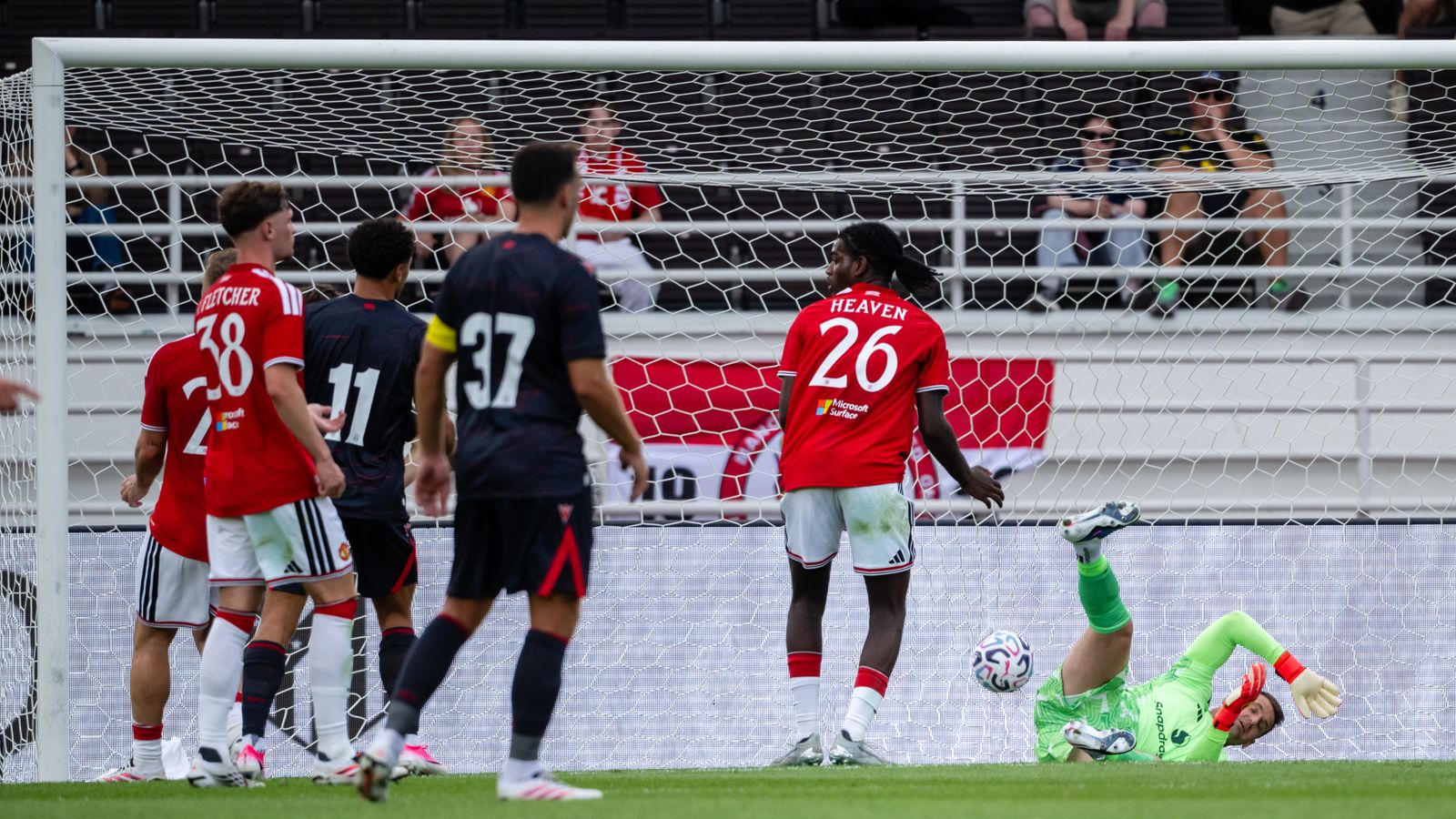
Pre-season is rarely a barometer for Premier League title aspirations, but Manchester United’s performance in their opening friendly against Wrexham provides a grim view into the current squad's depth. Watching a disjointed setup struggle to break down a League One side reveals more about internal hierarchy than fitness levels.
United entered the match with a lineup stripped of its first-team regulars, opting for a youth-heavy configuration that looked unfamiliar with the basic demands of a high-press system. The lack of central cohesion was apparent by the 15th minute, as passing lanes remained static and the defensive line failed to track simple diagonal balls.
The Wrexham blueprint
Wrexham utilized a direct approach, overloading the flanks to isolate United’s inexperienced fullbacks. While the technical disparity should have favored a Premier League side, the opposition dictated the tempo with superior off-the-ball movement.
The defensive structure collapsed during repeated transitions. As reported during the live coverage, the gaps between the midfield pivot and the center-back pairing were inexcusable. These aren't just teething problems for a new system; they represent a fundamental inability to maintain a defensive shape under minimal pressure.
Missing the recruitment priority
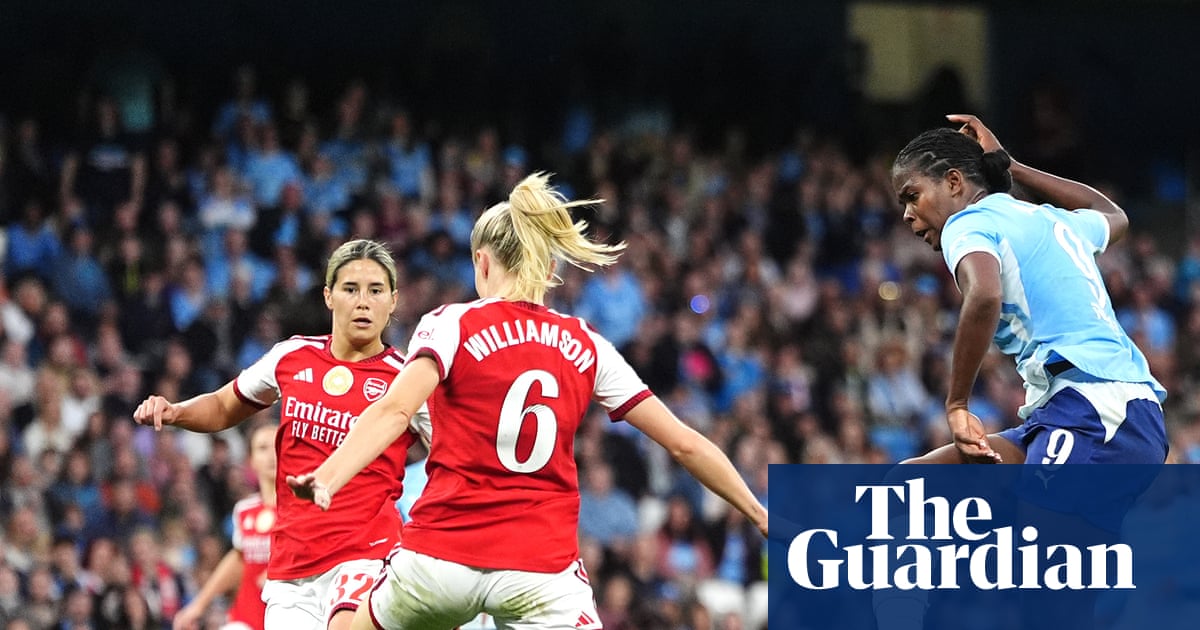
One must wonder how this correlates with the overarching direction at Old Trafford. Much like the confusion seen in other European giants, such as how Arsenal are shifting their focus to specific profile targets, United seem trapped between promoting youth and failing to provide those players with a senior structure to support them.
It is difficult to assess the development of individual prospects when the surrounding collective is this fragmented. Watching them play, one gets the sense that the staff is prioritizing rotation over actual tactical integration. If the goal was to identify future starters, the experiment failed to produce a single standout performance worth tracking for the upcoming campaign.
A critical observation: the decision to rely on such a green roster against an organized, albeit lower-league, opponent backfired by starving the forwards of quality service. Possession statistics reached roughly 62 percent for United, yet the expected goals (xG) remained near zero for the entire first half. Possessing the ball without vertical intent is empty, clinical sterility.
The Verdict
Expect a massive overhaul in the starting XI for the next fixture, assuming the coaching staff recognizes the defensive liability. If they persist with this exact tactical blueprint, expect a repeat of the current scoreline against any opposition with a well-drilled defensive block.
Prediction: Wrexham maintains their composure and edges this out due to better positional discipline. Management will likely label this a learning experience, but the tape suggests a deeper tactical failure that requires immediate correction before the competitive fixtures commence.