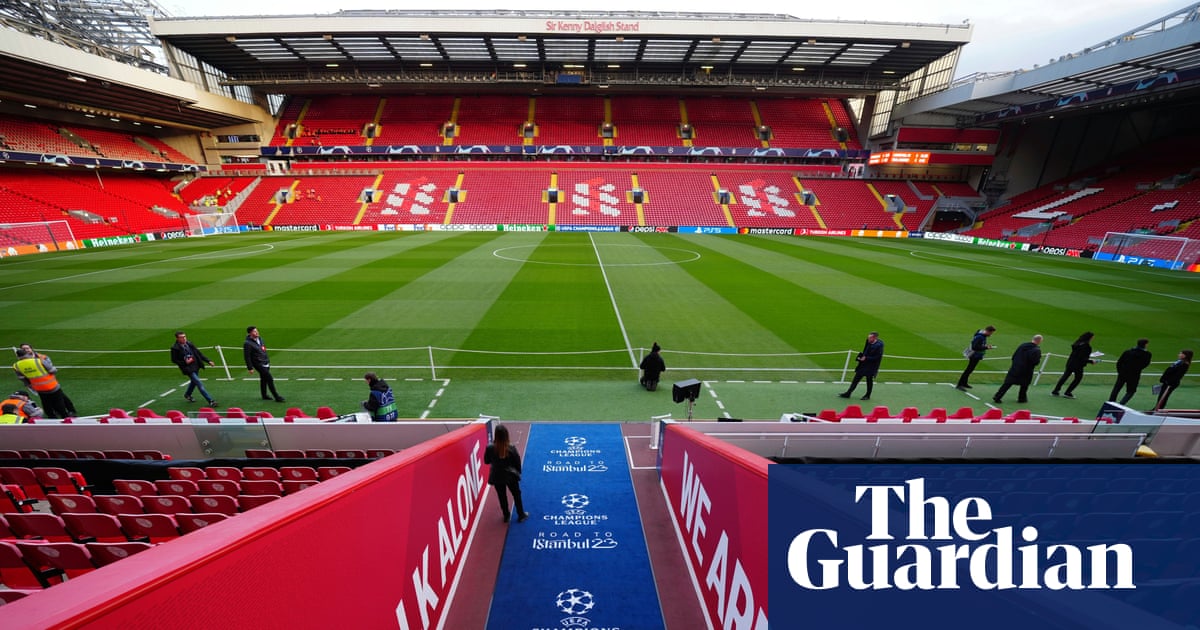
The 700,000 footprint behind Anfield's gated walls
Liverpool Football Club spent the last months wading through 700,000 ticket registrations alongside Merseyside Police's economic crime team. The operation, unprecedented in scale across the Premier League, culminated in 432 lifetime bans and the seizure of more than £1.2m in illicit assets.
For fans who watch the ticket portal spin into endless digital queues every summer, the numbers validate a long-held suspicion. The secondary market wasn't just leaking seats—it was running a full-scale parallel economy right under the nose of the club's ticketing department.
Yet, stripping 432 bad actors out of the ecosystem doesn't automatically solve the tactical failure of Anfield's access system. It merely highlights how corporate distribution models create the very demand touts exploit.
Digital access control and the friction of modern matchdays
When clubs transition entirely to digital ticketing, the pitch to supporters is always security and convenience. In reality, centralizing control into proprietary apps has created a bottleneck that punishes match-going regulars while doing little to curb sophisticated bot syndicates.
The joint investigation with Merseyside Police proved that secondary sellers were bypassing basic bot protection, harvesting thousands of allocations, and marked up general admission seats into four-figure packages. The club seized over £1.2m, but the broader operational question remains unanswered.
If nearly three-quarters of a million registrations required manual cross-checking to filter out fraud, the baseline ticketing pipeline is fundamentally compromised. authentic supporters are left fighting for breadcrumbs while automated networks scrape inventory within seconds of release.
The structural issue facing Liverpool's matchday revenues
As discussed in our analysis of Premier League transfer margins, top-flight clubs are squeezing every operational avenue to maximize matchday revenue under PSR constraints. But penalizing end-users through restricted transfers and rigid membership tiers has backfired.
The issue isn't just that touts exist; it is that official availability is so artificially scarce that the secondary market becomes the only viable route for non-season ticket holders. Liverpool's 432 lifetime bans represent a victory for law enforcement, but a failure of distribution strategy.
Until clubs replace opaque ballot systems with transparent, capped secondary exchanges managed directly by the institution, enforcement actions like this will remain temporary fixes. You can seize the assets, but you cannot kill the demand created by your own pricing structure.
What to watch for as the season approaches
Expect tighter turnstile checks and potential delays around the Kop and Main Stand turnstiles during the opening home fixtures of the 2026/27 campaign. Merseyside Police and Liverpool stewards will be enforcing strict ID verification on re-allocated digital passes.
Supporters should anticipate further updates to the club's membership terms, likely restricting pass transfers exclusively to verified family-and-friends networks. Whether these friction points genuinely protect fans or simply make attending a game more painful remains the key tension heading into August.
The legal precedent is set, and the £1.2m asset forfeiture sends a clear message across the North West. But unless Liverpool overhaul their digital queue infrastructure to prioritize loyal match-goers, the next generation of touts is already building the code to bypass it.