
Liverpool’s crackdown on ticket touts is overdue but messy
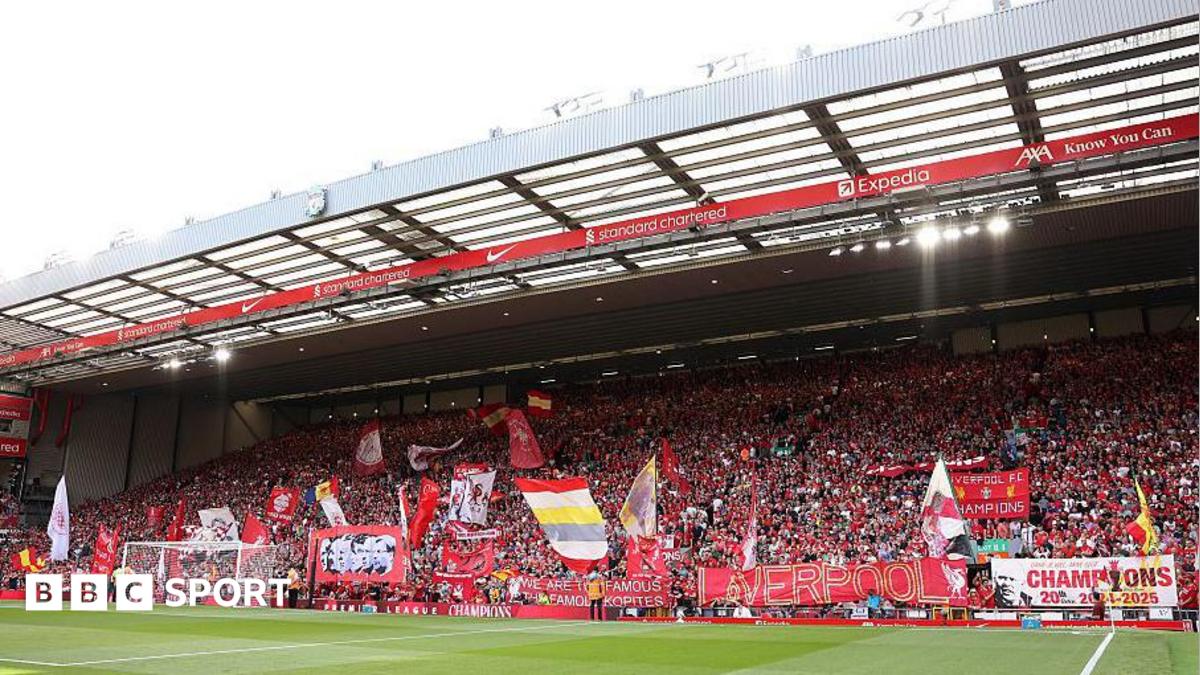
The cost of chasing shadows at Anfield
Liverpool confirmed this week that they have issued hundreds of lifetime bans as part of a significant operation to dismantle illegal ticket touting operations. The club, working alongside law enforcement, saw over £1.2m in assets seized from entities benefiting from the black market. It is a necessary intervention, yet it raises uncomfortable questions about how the secondary market became so entrenched in the local economy around the stadium.
For decades, the match-day experience has been filtered through a series of intermediaries. These individuals often operated just out of sight of the official ticketing office, charging premiums that priced out thousands of match-going supporters. By moving to seize £1.2m, the authorities have finally quantified the scale of the exploitation. However, the sheer volume of lifetime bans suggests this was not just a handful of opportunistic sellers, but a systematic failure in oversight.
The shadow of Anfield's exit strategy
Andoni Iraola’s arrival at Anfield has dominated the headlines for tactical reasons, as recent reports suggest a shift in squad dynamics. The tactical transition requires a high-intensity setup that depends heavily on the fitness and availability of the core squad. Any disruption in attendance or the integrity of who occupies those seats ripples outward toward the club’s bottom line.
While Iraola worries about the futures of Alexis Mac Allister and Alisson Becker, the internal management of match-day access remains a lingering distraction. If the stadium atmosphere shifts—or feels diluted—because tickets are caught in a loop of digital scalping, the tactical advantage of a home crowd is mitigated. A quiet stadium is the death of a high-press system.
Tactical friction and the price of silence
The secondary market has long thrived on the gap between demand and supply at Anfield. For years, the club operated with a degree of laissez-faire detachment, treating third-party sites as a minor annoyance rather than a central threat. This changed recently, as the financial damage hit a threshold that demanded legal recourse.
The administrative burden here is immense. Policing thousands of accounts for suspicious patterns requires advanced data analytics that clubs often lack or refuse to resource correctly. The £1.2m figure is impressive on paper, but it reflects how much money was leaving the club’s jurisdiction annually. It is a damning indictment of the club’s previous negligence that it took this long to reach a boiling point.
Moving toward a digital-only future
The path forward is clearly a transition to strictly controlled, non-transferable digital passes. We have seen Liverpool’s zero-tolerance policy begin to take shape, but removing the ability to pass on tickets—even among friends and family—creates its own set of grievances. Fans who have held tickets for generations are now trapped in a rigid, bureaucratic framework that treats every transaction as a potential breach.
There is also the matter of enforcement bias. A lifetime ban is a heavy hammer for a club to swing without a high burden of proof. If an innocent season ticket holder gets caught up in a sweep because of a loaning error with a relative, the redress process is notoriously opaque. Precision is required, not just broad-brush bans designed for headlines.
Why this persists beyond the gates
We cannot discuss ticketing in isolation from the broader economic reality of English football. When teams like Wrexham look to modernize their operations, as noted in recent shifts at the Racecourse, they are attempting to avoid the messy, unregulated mess that Anfield is only now beginning to scrub away. Whether that leads to a change in sporting direction remains a gamble for the smaller clubs, but the blueprint is clear: control the access, control the revenue.
The current crackdown will likely reduce the volume of touting, but it may also calcify the demographic inside the ground. By removing the secondary market, the club inadvertently limits the fluidity of attendance. It creates an environment where only those with the highest loyalty points can gain entry, further insulating the stadium from the casual fan who provides the occasional spark. The game must balance this integrity with the necessity of keeping the turnstiles clicking for more than just the usual cohort.
adidas MLS League Soccer Ball
Match-ball looks with a friendly training-ball price tag.
Frequently Asked Questions
How many lifetime bans has Liverpool FC issued to address ticket touting?
What is the total value of assets seized from illegal ticketing entities?
Why does the secondary ticket market pose a threat to Liverpool's performance?
What technological solution is Liverpool proposing to stop ticket touting?
What criticism does the club face regarding its new ticketing policy?
More Coverage

Why Man City's owners must be forced out after 114 guilty charges
an hour ago
On This Day in Football: October 21
5 hours ago
Eberechi Eze is learning the hard way how Mikel Arteta operates
11 hours ago
Howard Webb backs Botman escape but PGMOL logic leaves fans baffled
14 hours ago
Arsenal face Leeds with Arteta locked in and a point to prove
1 week, 6 days ago
Why Tottenham Are Screwed and Man City's Perfect Start Means Nothing
1 week, 6 days agoMore Analysis

Liverpool beat Villarreal in a seven-goal thriller but Iraola rode his luck
8 hours agoTrent Alexander-Arnold's Madrid struggle won't end with an Arsenal move
3 weeks, 3 days ago
Liverpool fans are losing their minds over Jeff Bezos buying into Anfield
2 months, 1 week agoMbaye's PSG goal proves why Liverpool need a direct upgrade
2 months, 1 week ago
Top 10: Defining Moments in Recent Liverpool History
2 months, 1 week ago