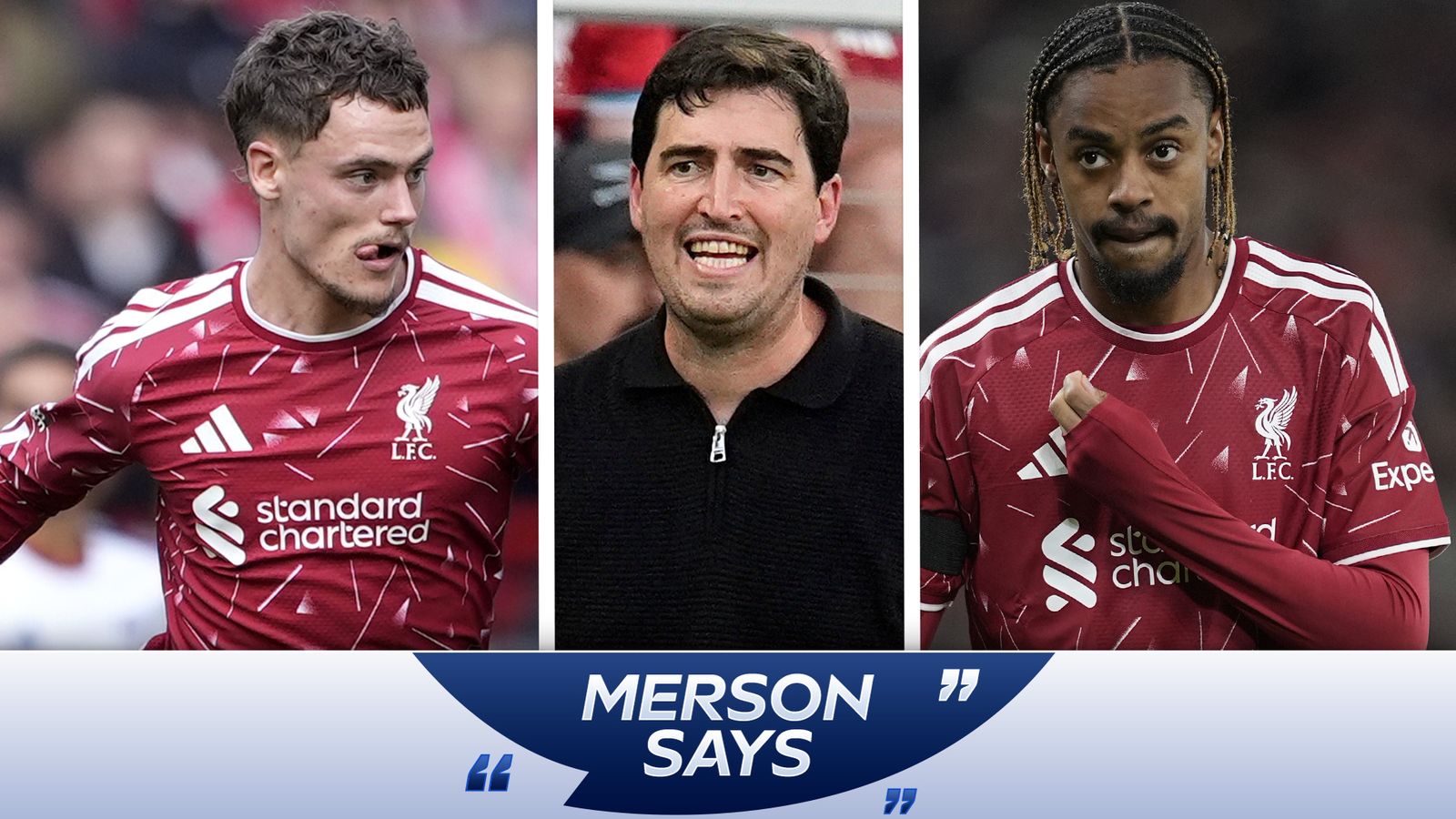
Liverpool's chaotic August highlights the dangers of the transfer window
The instability of a mid-transfer window departure
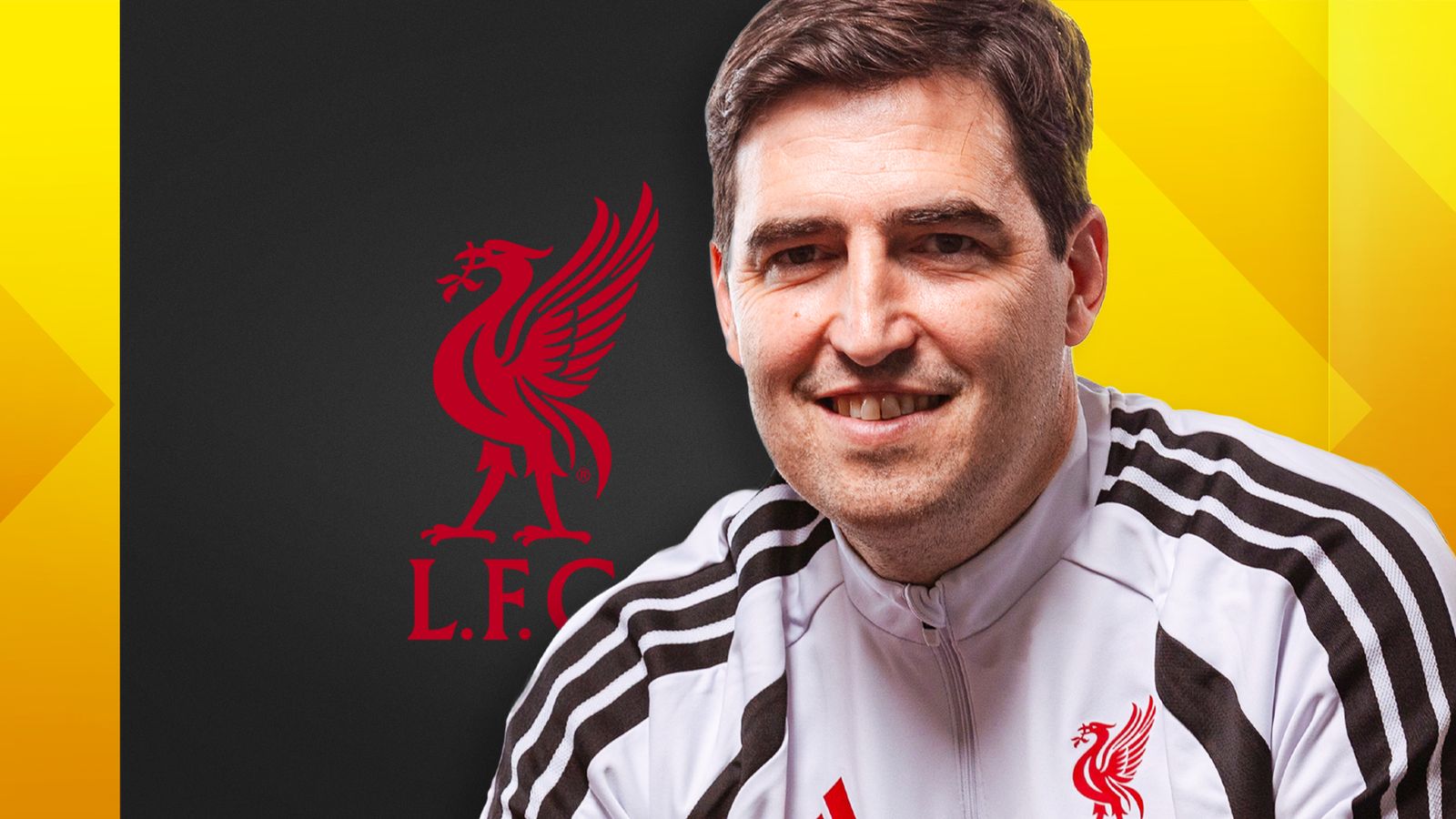
Andoni Iraola is not a man who hides his disdain for the August transfer window. His recent remarks reflect a broader tactical unease managers face when their best-laid plans are derailed by individual player whims. When a transfer reaches the advanced stages only to collapse due to a sudden change of heart, the impact on the dressing room is immediate and corrosive.
Liverpool currently find themselves in a precarious position as they navigate this window. Dominik Szoboszlai has been vocal about his frustrations, particularly regarding the team's ongoing set-piece vulnerabilities. During the previous campaign, the defensive marking during dead-ball situations frequently undermined the creative output of the midfield. If these patterns persist, the opening weeks of the season will be defined by self-inflicted wounds rather than strategic progress.
Tactical friction and the price of delay
The situation at Anfield is symptomatic of a larger issue in modern recruitment. Clubs are increasingly held hostage by the extended duration of the window, which stretches into the actual commencement of competitive fixtures. As detailed in recent coverage of Liverpool's transfer news, the internal anxiety regarding squad balance is palpable. Players like Szoboszlai, who occupy central roles, need clarity on their partners and positional duties before the curtain rises on the campaign.
When a manager cannot finalize his personnel, the training ground suffers. Tactical drilling becomes an exercise in improvisation rather than precision. While some argue that squad depth is the solution, the reality is that an unsettled locker room rarely produces 90 minutes of cohesive pressing. The statistical evidence from last year indicates that Liverpool struggled to maintain high-intensity structures when their primary personnel were in flux. If they carry this volatility into the first few weekends, the drop-off in their expected goals against could be significant.
The youth movement as a double-edged sword
Arsenal's recent 4-1 victory over Girona provided a contrast to the malaise currently affecting Liverpool's window. Mikel Arteta utilized the opportunity to introduce Max Dowman, signaling a willingness to integrate internal solutions rather than waiting for external market miracles. Dowman's involvement isn't merely a symbolic gesture; it represents a functional shift in how the club manages its offensive transitions.
Yet, relying on youth is not without its risks. The transition from friendly fixtures to the intensity of league competition is often where young players falter. While the reporting on Liverpool's latest developments underscores their reliance on established, if currently frustrated, figures, Arsenal is gambling on a different kind of instability. Both clubs are navigating a treacherous period where the noise of agents and the pressure of the press threaten to drown out the work on the pitch.
The frustration expressed by Szoboszlai regarding the set-piece coaching and squad alignment suggests that the manager's tactical message is being diluted by transfer distractions. A team that isn't settled is a team that concedes soft goals. Whether it is an inability to clear a routine corner or a breakdown in the defensive transition, the failure to prioritize stability will haunt any side. If Liverpool does not secure their targets before the August 31st deadline, they may find themselves chasing the top four from a position of weakness before the first international break.
Ultimately, the transfer window acts as a mirror for a club's long-term planning. The chaos of August is rarely the fault of the players themselves; it is an organizational failure to create a closed, focused environment. Unless the club hierarchy provides the necessary support, the tactical lapses observed in previous months will continue to recur at the most inopportune moments.
Inverting The Pyramid: The History of Soccer Tactics by Jonathan Wilson
The definitive bible on how football is really played.
Frequently Asked Questions
Why is Dominik Szoboszlai frustrated with Liverpool's tactical setup?
How does the August transfer window impact Liverpool's tactical preparation?
What issues did Liverpool experience due to squad instability last season?
How did Arsenal manage squad depth during their pre-season match against Girona?
What manager publicly criticized the mid-season timing of the August transfer window?
More Coverage

Son Heung-min changed what it means to be an elite Premier League forward
8 hours ago
Marcus Rashford is back at Man United, but his career remains in limbo
8 hours ago
Phil Foden has everything except control, and Old Trafford proved it
8 hours ago
Howard Webb's obsession with speed just broke the Manchester derby
19 hours agoArsenal Have a 16-Year-Old Monster and Mikel Arteta Needs to Unleash Him
1 day, 6 hours ago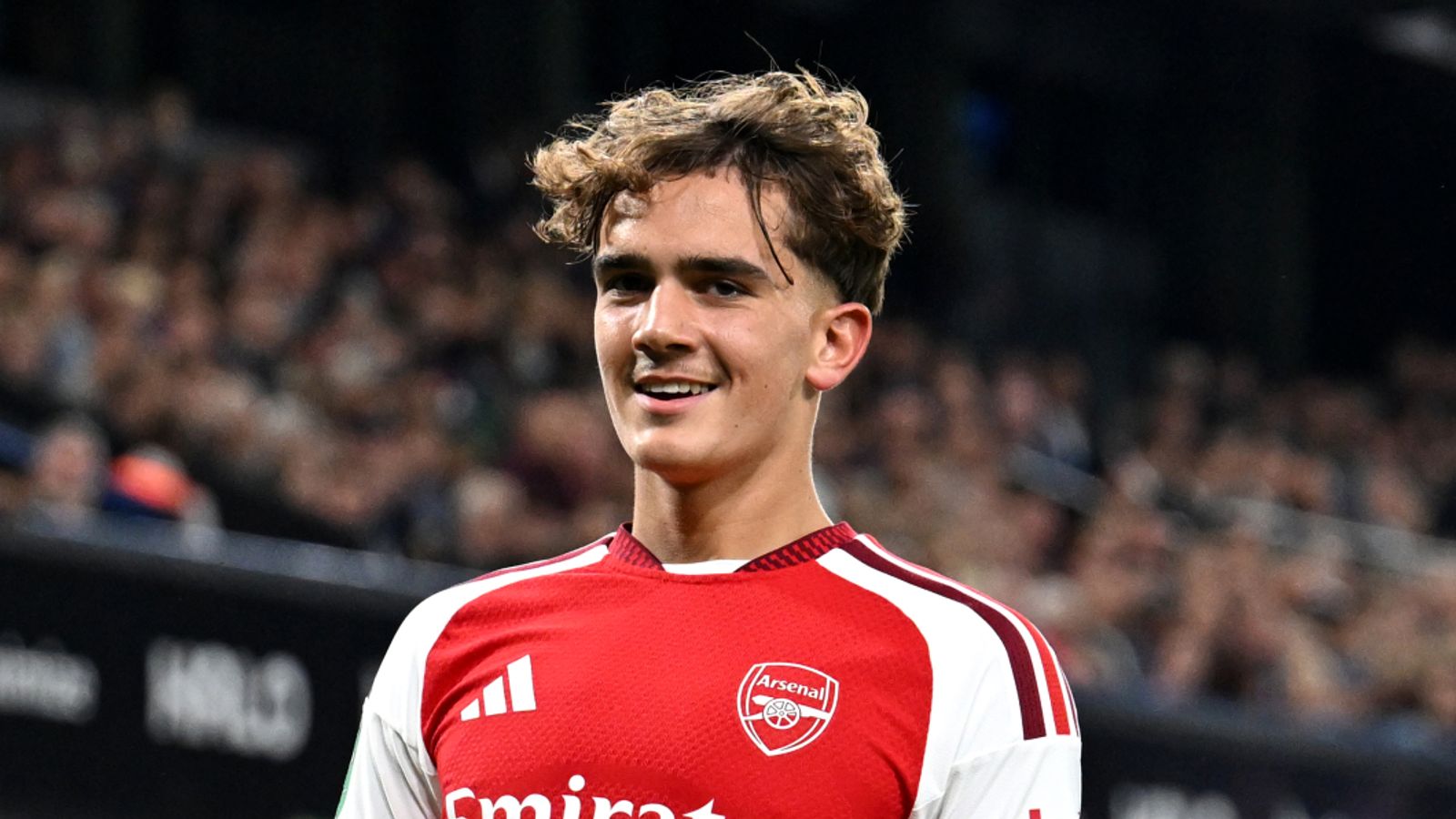
Top 10: Top Moments
1 day, 6 hours agoMore Analysis

Xabi Alonso returning to Anfield headlines a wild Carabao Cup draw
an hour agoOn This Day in Football: September 16
1 day, 11 hours ago
Liverpool lead race to sign Lamine Camara for £60m in January
1 day, 17 hours agoRicharlison Crying Emojis Won't Fix Spurs' £60 Million Disaster
2 days, 2 hours ago
Andoni Iraola isn't hiding from Liverpool's early-season pressing failure
2 days, 19 hours ago