The exhibition reality check
Pre-season scorelines are often discarded, but the intensity in the Premier League Summer Series reveals tactical flaws long before the real points go on the board. The recent 4-2 defeat of Liverpool by Leeds United provides a perfect case study of structural fragility.
These matches offer the only honest look at depth charts and fitness levels before the campaign starts. Here are the 10 moments that defined the summer exhibition circuit.
1. Leeds United's 25-minute scoring spree
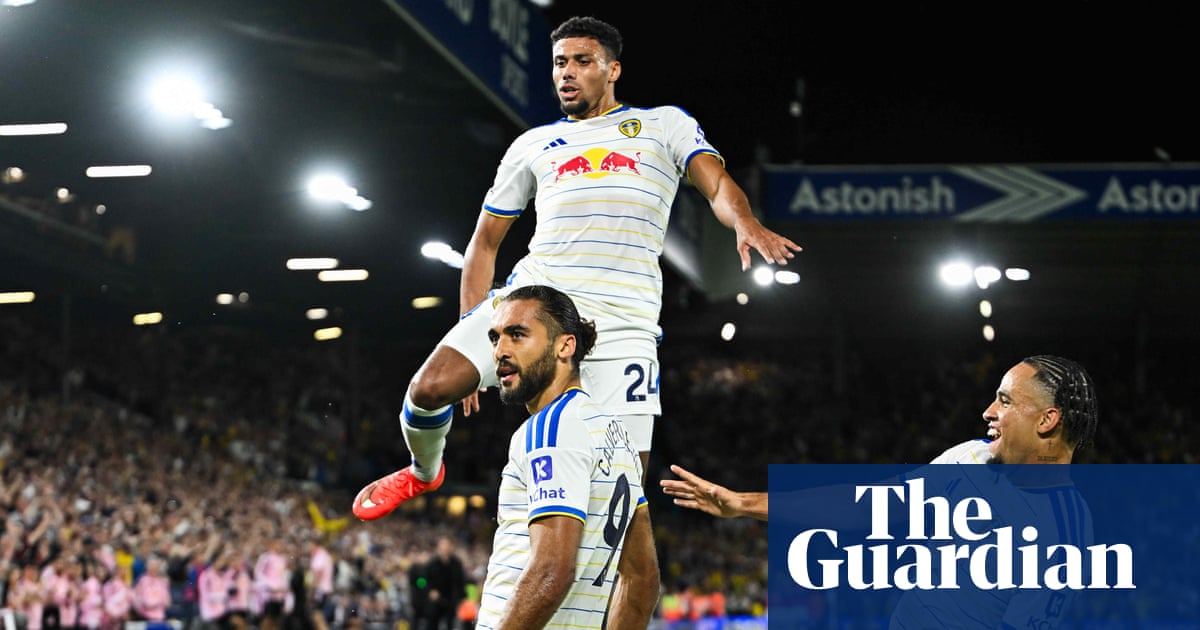
Daniel Farke turned a disjointed first half into a clinical demolition job against Liverpool this past Sunday. Leeds scored four goals in just 25 minutes, effectively exploiting space between the midfield and the defensive line. This display wasn't about luck, but a focused tactical shift that forced errors out of a high defensive line. It earns the top spot because it exposed specific defensive vulnerabilities that Arne Slot will need to address immediately.
2. The high-press vulnerability
The Summer Series underscored how aggressive pressing can backfire when legs tire in mid-July heat. Several clubs attempted to replicate top-tier gegenpressing but lacked the conditioning to recover during transitions. It serves as a reminder that intensity without precision leads to goals conceded on the counter-attack. The failure to track back during these transitions was the recurring theme of the week.
3. The debut of new tactical setups
Managers utilized this series to test inverted full-back roles that were previously shelved. Observing how players like Trent Alexander-Arnold adapted to altered positioning provided a clear glimpse into future squad roles. Watching these experiments fail or succeed in real-time is the primary reason for these fixtures. However, many of these hybrid roles resulted in defensive gaps that opponents exploited ruthlessly.
4. Midfield transition efficiency
Leeds United demonstrated that the transition from defense to attack should be vertical rather than lateral. Their quick ball movement caught opponents out of shape, leading to high-quality chances on net. While possession statistics often favor the bigger clubs, this series proved that verticality remains the most lethal weapon. Efficient progression through the center is currently more valuable than aimless passing sequences.
5. The goalkeeper rotation experiments
Several teams opted to swap goalkeepers at halftime to evaluate secondary options. This often disrupted the defensive organization, leading to erratic communication in the back four. While necessary for squad evaluation, the drop-off in chemistry was noticeable and often led to goals. Teams relying on a singular number one clearly felt the sting of these mid-game adjustments.
6. Fatigue-induced defensive errors
As The Mirror reported, Liverpool's second-half collapse showed how quickly focus wanes. Individual errors under pressure accounted for three of the four goals conceded by the Reds in their recent outing. Fatigue clearly played a role, but the lack of intensity from the secondary units is concerning. Relying on youthful backup options revealed a lack of tactical discipline compared to the starters.
7. The set-piece experimentation
Managers used dead-ball situations to test non-standard delivery methods. Corner kicks were frequently played short to draw defenders out, opening space for secondary runners. While this adds variety, it also creates opportunities for opposing counter-attacks if the delivery is poor. The execution was inconsistent, showing that training ground drills do not always translate to game speed.
8. Young talent proving readiness
Several academy prospects secured consistent minutes, showing the technical standard required for senior involvement. Players who displayed comfort on the ball during high-pressure moments gained valuable trust with their managers. Yet, the physical disparity remained glaring against seasoned first-team opponents. Relying on these players for depth remains a gamble for the upcoming term.
9. Tactical fouling shifts
There was a noticeable reduction in tactical fouling compared to standard league play. Referees allowed more flow, which rewarded attacking intent but exposed defenders who were out of position. This lack of cynical stopping power meant games opened up significantly in the final half-hour. Defensive discipline suffered because of this officiating style, turning matches into basketball-like shootouts.
10. The lack of match sharpness
The early stages of these matches consistently featured slow tempo and erratic passing. It takes time for squads to recalibrate their movement after a summer break. While frustrating to watch, this lack of sharpness is an inevitable part of the July conditioning cycle. The performance gap between early exhibition games and the season opener remains cavernous.
The Big Picture
The Summer Series acts as a pressure valve for managers to experiment before the stakes turn real. While the results in friendly matches provide no points, they serve as a brutal diagnostic tool for structural issues that could derail a campaign.
Honorable mentions
- The improved fitness levels of players returning from international tournaments.
- The increased use of data analytics to monitor player loads in real-time.
- Improved crowd engagement in host cities across the summer tour venues.
Read Next
- Florian Wirtz is already making the Premier League look like a playground
- Andoni Iraola's Liverpool speed test is about to expose their defensive reality
- Liverpool and Leeds close their US tour with a defensive headache
- Liverpool's chaotic August highlights the dangers of the transfer window
- 🏟 EFL Championship 2025-26 — Promotion Race & Play-Off Final Hub