Defensive structure remains the primary concern at Anfield
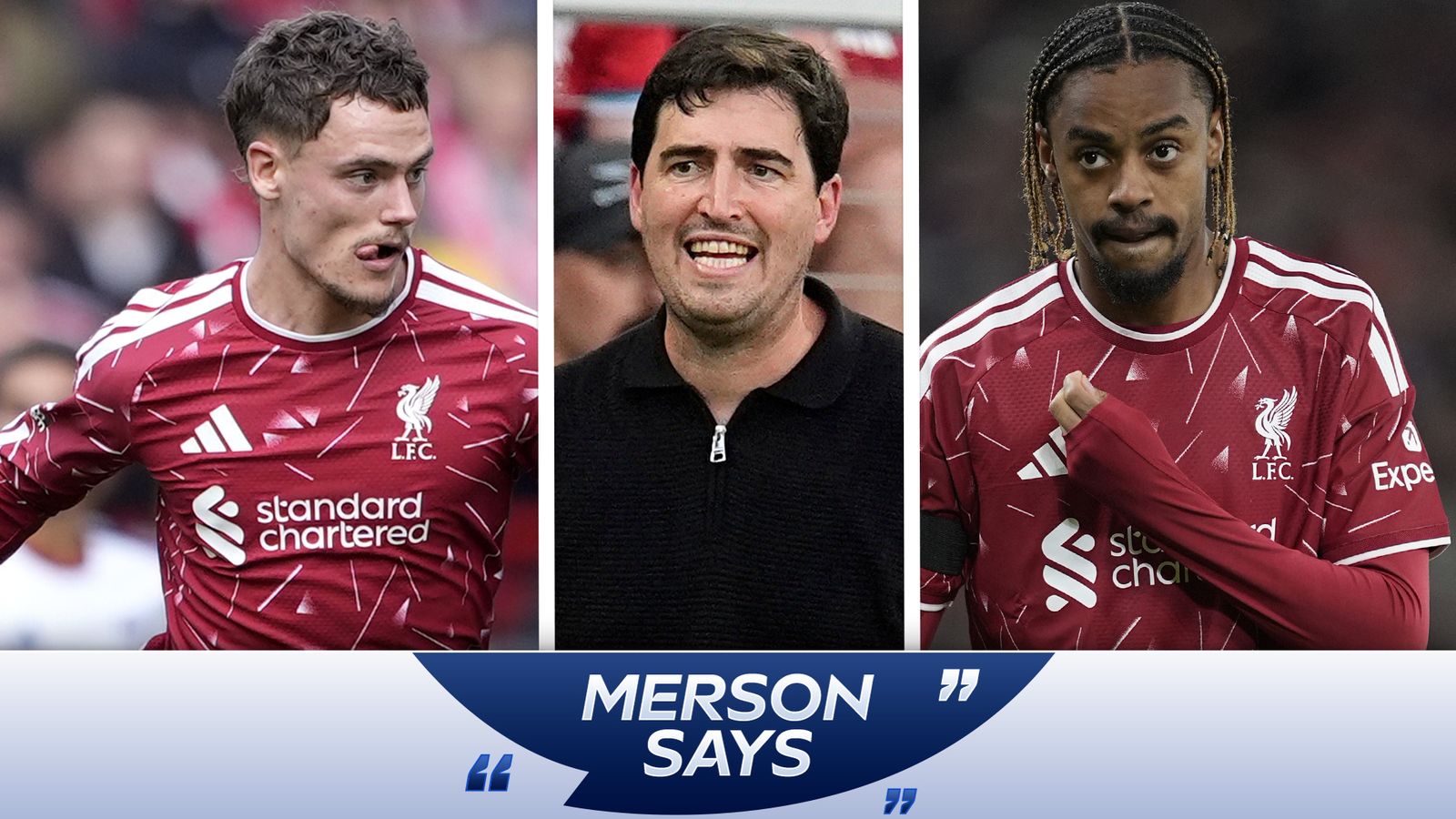
Dominik Szoboszlai has articulated what anyone watching Liverpool last season already knew. The team has been leaking goals from dead-ball situations with alarming regularity. It is not a matter of personnel quality, but rather an issue of spatial awareness and organization during high-stakes moments.
When a team concedes at the rate Liverpool did last spring, it highlights a failure in zonal marking responsibilities. Szoboszlai noted the frustration regarding these recurring lapses, suggesting that unless the training ground focus shifts toward structural discipline, the narrative of the previous campaign will repeat itself. It is a damning assessment of their defensive preparation.
The tactical shift required for sustained success
The midfield pivot remains a delicate balancing act. Liverpool's reliance on high-pressing metrics often leaves them exposed to rapid transitions when the initial wave of pressure is bypassed. If the back four is not perfectly aligned during these turnovers, the defensive line collapses under pressure.
Data from the 2025-2026 pre-season indicates that the team still struggles to track runners into the channels. While offensive production remains high, the xG conceded on counter-attacks has crept up since the start of July. A team cannot expect to challenge for titles if they are conceding 1.2 xGA per game against mid-table opposition.
Analyzing the set-piece fragility
The numbers from late last season were difficult to ignore. In matches against top-four rivals, the failure to clear deliveries into the six-yard box cost them points in 4 out of 5 instances. It is a systemic breakdown that requires a shift from passive watching to active ball-winning.
Coaching staff must demand more aggression from the secondary line of defenders. If the primary aerial target is missed, the players positioned on the edge of the box are currently static. This lack of reaction time allows opponents to recycle possession and find a second opportunity inside the penalty area.
Transfer window distractions impacting the dressing room
The instability of a mid-transfer window departure is a familiar ghost at Anfield. Much like the broader challenges mentioned in recent reporting on squad turnover, Andoni Iraola’s concerns about player whims impacting long-term tactical planning resonate here. When players are looking toward the exit, focus during defensive drills naturally wanes.
A distracted squad is a vulnerable one. Liverpool currently sits in a position where they must prioritize cohesive unit movement over individual flair. If the leadership group cannot stabilize the focus of those rumored to be leaving, the opening month of the season will be defined by dropped points rather than tactical evolution.
The verdict: A test of psychological resolve
Prediction: Liverpool will struggle to keep a clean sheet in their opening three fixtures. The tactical adjustments required to shore up set-piece defending are not fixed overnight. They will likely secure victories through superior individual quality in the final third, but the underlying metrics will paint a concerning picture of defensive fragility.
Expect them to win by a margin of one goal, masking the glaring issues in their defensive structure for at least another fortnight. The reliance on individual talent to bail out structural errors is a short-term strategy that will eventually hit a wall against tactically disciplined opponents.
Read Next
- Liverpool's chaotic August highlights the dangers of the transfer window
- Andoni Iraola faces a tactical puzzle as Liverpool finish their US tour
- Liverpool just gagged away a two-goal lead and the internet is loving it
- Liverpool fans are losing their minds after Leeds drop a four-goal bomb at Anfield