
Jürgen Klopp inheriting the DFB wreckage is a gamble for both sides
The end of the Nagelsmann experiment
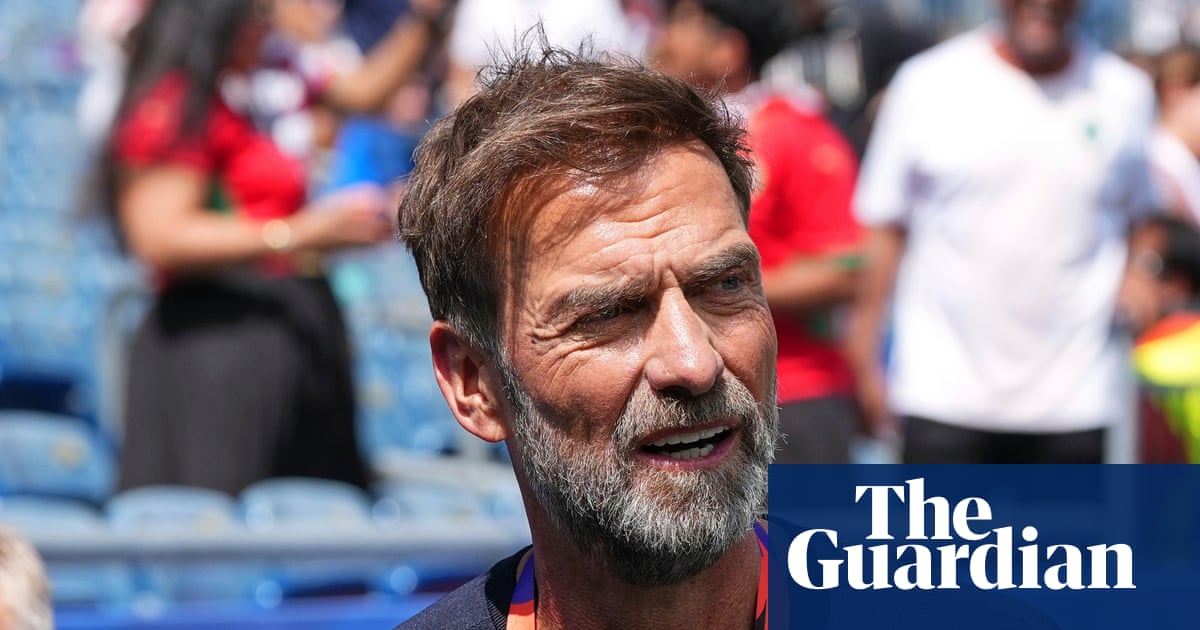
The German football association has moved with clinical speed in the wake of their early exit from the tournament. Following a loss to Paraguay in the last 32, the resignation of Julian Nagelsmann was essentially a formality. As reported today, the DFB has secured a deal in principle with Jürgen Klopp. After two years away from the dugout, the former Liverpool manager returns to a landscape shaped by systemic atrophy and tactical confusion.
The stylistic clash awaiting the squad
Klopp is defined by internal combustion. His tenure at Anfield relied on a high-octane 4-3-3 that prioritized verticality and suffocating counter-pressing. The current German squad, however, has been built over the last two years to favor the possession-heavy, transitional fluidity favored by Nagelsmann. These two philosophies rarely coexist without a high casualty rate. Klopp will need to prune a roster that currently lacks the raw explosive pace required to replicate the heavy-metal brand of intensity he enforced during his nine seasons at Liverpool.
The defensive metrics from the recent tournament highlight the depth of the issue. Germany looked brittle against Paraguay, particularly in the channels where over-committed fullbacks left the center halves stranded. Klopp will almost certainly pivot to a tighter defensive 4-2-3-1, prioritizing stability over the adventurous, yet ultimately porous, designs of his predecessor. The question remains whether the German talent pool possesses the specific engine capacity to sustain his rigorous training demands for a full international cycle.
Institutional decline off the pitch
While the focus remains on the training ground, the DFB is a fractured organization. The decision to bring in a figure as monolithic as Klopp feels like a desperate attempt to reset the national mood rather than a measured technical adjustment. History tells us that managers of Klopp’s profile tend to demand total control over the sporting direction, which often leads to friction with national federations accustomed to bureaucratic oversight. If he fails to replicate Liverpool's success, the vitriol directed at the DFB will reach unprecedented levels.
We have seen similar career resets falter recently under the weight of external baggage. Just as the case of Brandon Williams highlights how quickly a career trajectory can crater due to life off the pitch, international management demands a consistency that goes beyond mere bench tactics. Klopp is entering a environment where even a minor drop in initial form will be scrutinized through the lens of his past success. He is no longer building a dynasty over 38 games a year; he is managing a nation in 10 matches of high-intensity knockout pressure.
The path forward
Klopp will have to identify his core leadership group within weeks. Ilkay Gündogan, if he remains, may find himself deployed in a deeper, more disciplined pivot that restricts his creative license. This transition from a project manager to a tournament tactician is the biggest test of Klopp’s career. If he can secure a trophy, he will be viewed as the savior of German football in the 21st century. Failing that, he risks becoming the final famous name to suffer under the weight of a domestic infrastructure that hasn't evolved with the rest of Europe. The agreement in principle has been reached, but the harder work—reshaping a broken culture—starts tomorrow.
Gildan Men's Soccer Fan Scarf - Double Layer Knit
The essential accessory for stadium presence and match-day aesthetic.
Frequently Asked Questions
Why did the DFB choose to replace Julian Nagelsmann?
How does Jürgen Klopp's playing style differ from Nagelsmann's?
What tactical changes might Klopp implement for the German team?
What are the risks of Jürgen Klopp managing the German national team?
How will international football impact Klopp's management approach?
More Coverage

Portugal are about to play their best football in a decade without Ronaldo
4 days, 16 hours ago
Why Marie-Louise Eta's 4-3-3 shift is working at Union Berlin
5 days, 21 hours ago
Why Martin Odegaard and Premier League Stars Are Obsessed With VR
5 days, 21 hours ago
Frenkie de Jong's return gives Xavi the ultimate Dutch tactical engine
1 week, 1 day ago
Zidane's France debut exposed structural issues talent cannot fix
1 week, 2 days ago
The Tennent's Sixes is back and modern sports science would hate it
1 week, 2 days agoMore Analysis
Portugal are about to play their best football in a decade without Ronaldo
4 days, 16 hours ago
Why Marie-Louise Eta's 4-3-3 shift is working at Union Berlin
5 days, 21 hours ago
Why Martin Odegaard and Premier League Stars Are Obsessed With VR
5 days, 21 hours ago
Frenkie de Jong's return gives Xavi the ultimate Dutch tactical engine
1 week, 1 day ago
Zidane's France debut exposed structural issues talent cannot fix
1 week, 2 days ago