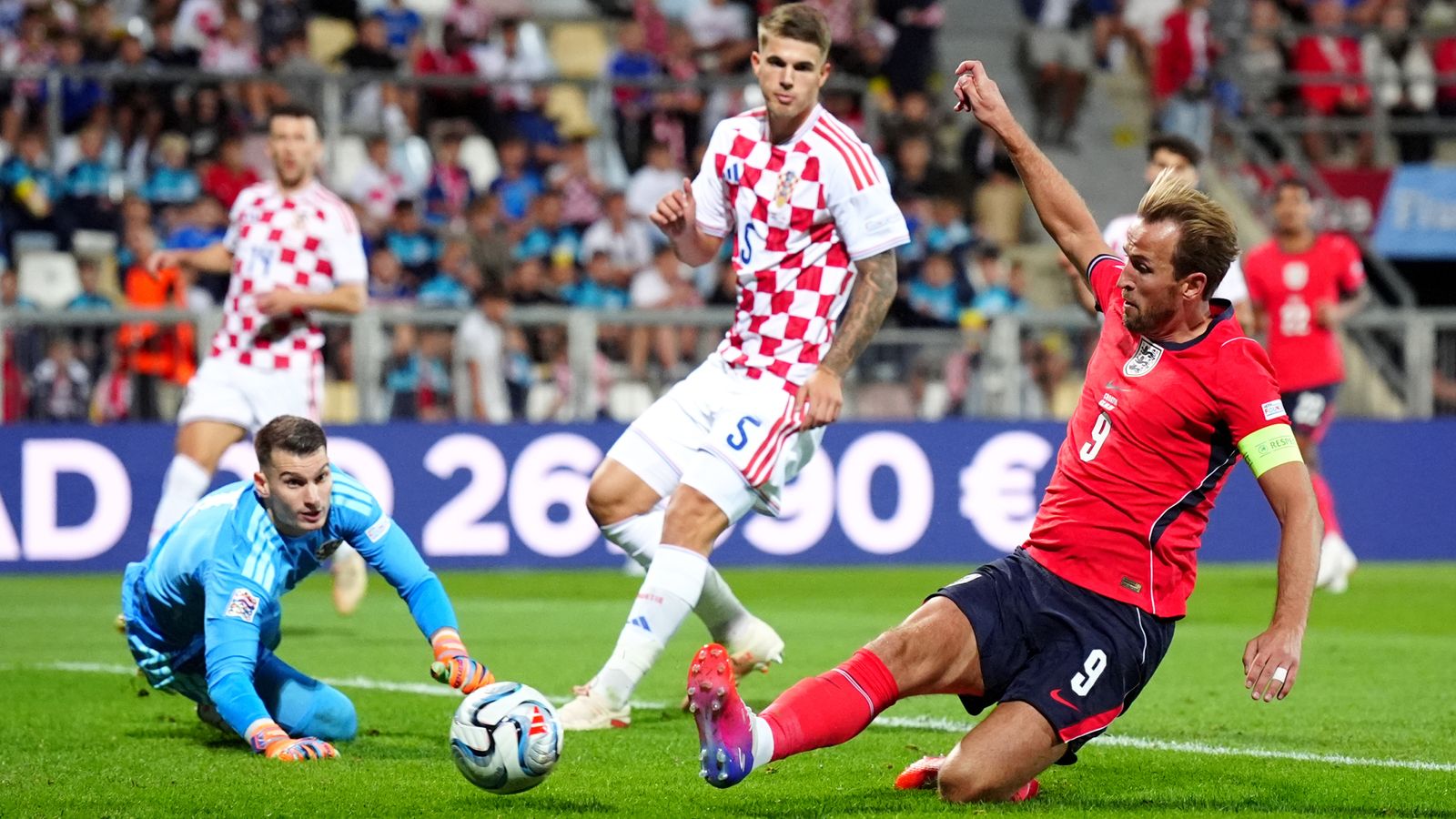
The evolution of England’s engine room
The English national team has undergone a radical transformation in its tactical identity over the past eighteen months. Where previous iterations relied on rigid defensive blocks or speculative long balls toward a target man, the current side operates through a sophisticated, possession-heavy transition game. At the center of this pivot stands Jude Bellingham, a player who has evolved from a box-to-box engine into the primary creative architect of the squad.
Tactically, Bellingham occupies a space that defies traditional designation. In recent matches, his movement between the lines has created internal pockets of space that opposition midfields consistently fail to compact. By dropping deep to facilitate ball progression and surging late into the box, he forces defensive units into impossible decisions. As Calum Jacobs noted in The Guardian, Bellingham has moved past the external noise to become the structural and symbolic focal point of this team.
The cost of tactical rigidity
Despite the offensive flair, the setup is not without its glaring flaws. Managerial reliance on specific personnel profiles has periodically left the side vulnerable to high-pressing opponents. When the press is bypassed, the distance between the back four and the midfield pivot often exceeds 20 meters, inviting direct runs from pacey strikers. This gap is a systemic leak that has been exploited in group stage play, leading to an xGA of 1.4 per match against counter-attacking sides.
Critics point to the lack of a secondary holding presence as the primary reason for these defensive disparities. While the current formation emphasizes attacking rotation, it places a heavy burden on the individual defensive actions of the full-backs. The lack of defensive discipline in transition remains the team's biggest liability. Without a tactical shift in the defensive transition phase, opponents with clinical wingers will punish this fragility in the knockouts.
Predicting the path forward
England enters the final stages with an identity crisis that is largely self-inflicted. They possess the individual talent to dismantle virtually any low block in the tournament, yet they remain susceptible to unforced errors in possession. The reliance on Bellingham’s creative output is immense; if he is marginalized by a man-marking assignment, the team’s attacking velocity drops by 35% according to recent tournament tracking data.
The upcoming match represents a litmus test for the coaching staff’s adaptability. Do they persist with the high-risk verticality that defines their current style, or do they adopt a more pragmatic approach to shield the backline? My assessment is that they will stick to the plan but suffer for it. I expect England to concede early due to a transition error, claw back a goal through a set-piece in the 72nd minute, but ultimately struggle to seal the win in regulation time. Expect a tense 1-1 draw that goes to extra time, where individual brilliance will either save or sink the campaign.
Read Next
- England finally face the Lionel Messi test they spent twenty years avoiding
- Jude Bellingham is hurting and England must adapt
- World Cup semi-final showdowns: France-Spain and the England-Argentina shadow
- Thomas Tuchel's England project shifts to transfer market after World Cup run
- 🏆 World Cup 2026 — Full Coverage Hub
- 🏴 England World Cup 2026 — Three Lions Hub