The shadow behind the Three Lions
England enters the World Cup semi-final against Argentina with more than just the weight of expectation on their shoulders. New footage from the Hard Rock Stadium shows Jude Bellingham visibly grimacing as he navigated the mixed zone after Saturday's match. While the staff might label it a minor knock, the heavy scarring and his body language suggest a lingering issue that could dictate the tempo of the coming tie.
Argentinian media outlets have been quick to pounce on this vulnerability. They see an opportunity to exploit a restricted talisman who serves as the engine for the side. Their tactical briefings have reportedly already identified England's structural weaknesses, particularly the reliance on Bellingham to bridge the gap between defense and attack. If his mobility is hampered, the entire mid-block setup risks collapse.
The Mourinho perspective
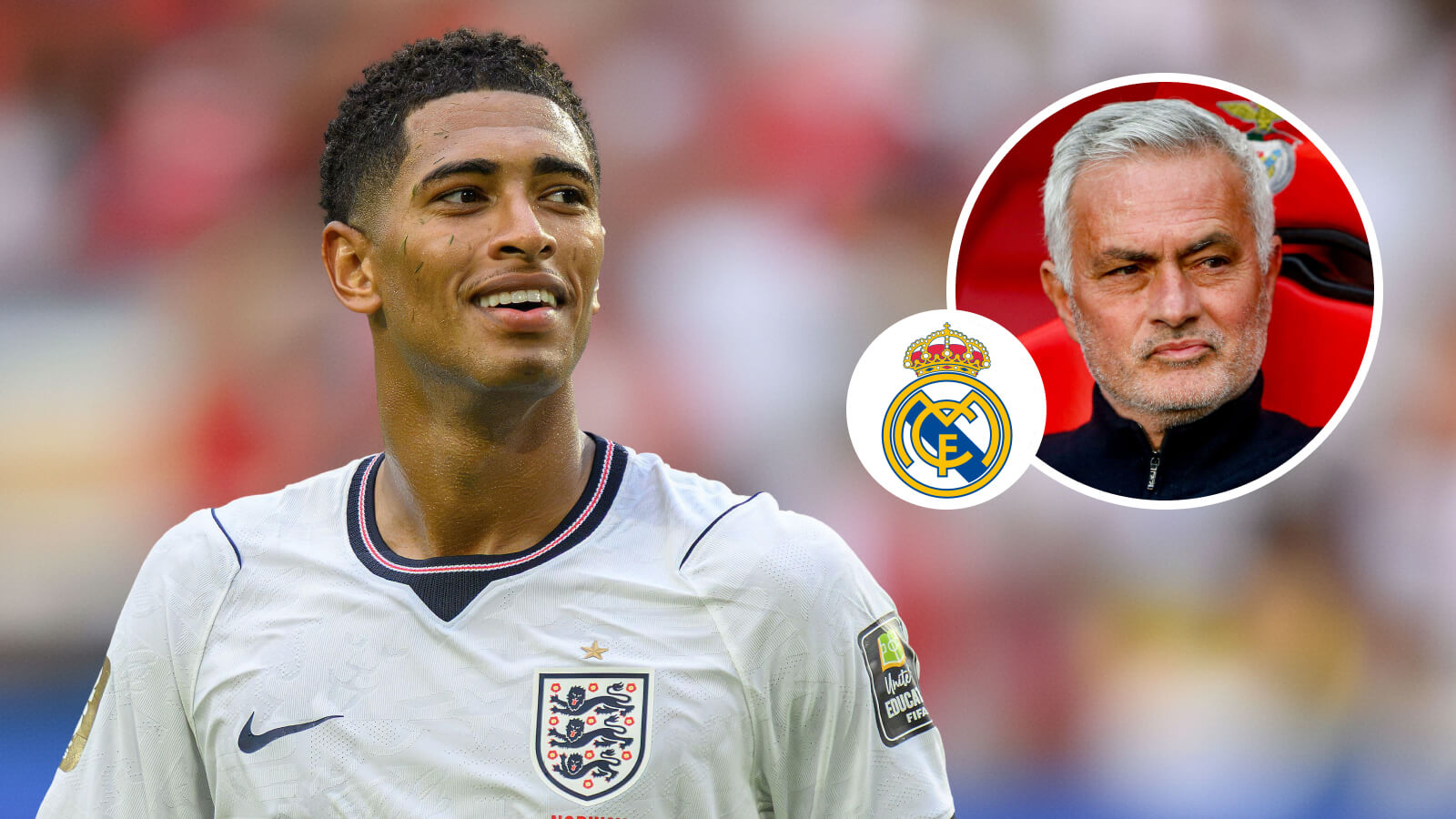
This physical fragility coincides with an evolving tactical debate surrounding his usage. We know Jose Mourinho has specific ideas about how to maximize Bellingham within a Real Madrid XI, often at the expense of other star forwards. Mourinho prefers a disciplined, balanced approach where Bellingham acts as a transitional anchor rather than a loose-cannon number ten.
The dilemma for the England coaching staff is whether to insist on his usual box-to-box dominance or move toward that more contained role. Requesting a player to manage a shoulder injury while anchoring a high-press is asking for a tactical breakdown in the defensive third. England’s reliance on his individual brilliance has masked collective flaws in possession; if he cannot move freely, the bypass routes to the strikers vanish.
Tactical exposure
Argentina will likely look to congest the central channels. By forcing Bellingham into physical contact, they can test the integrity of that shoulder in the 5th minute and beyond. A shoulder injury is not merely a pain issue; it affects balance, ball shielding, and the ability to track back during rapid turnovers.
The current setup relies on Bellingham’s ability to recover possession in advanced areas. If he is nursing a trauma, he will naturally gravitate toward safer, shorter horizontal passes. This kills the verticality that the team uses to punish opponents. If Gareth Southgate refuses to adapt, he risks a scenario where their most important creative outlet becomes a liability during defensive transitions.
Managing the midfield pivot
There is a dangerous complacency in assuming a player of his calibre can simply 'play through it' on the world stage. Matches are won in the 75th minute, when fatigue forces errors in positioning. A compromised joint will fail long before the final whistle if Argentina maintains a high-intensity press.
The team must consider a double-pivot strategy to alleviate the workload on his frame. Losing his offensive output is a gamble, but keeping him on the pitch as a stationary target is a tactical surrender. The Argentinians know that if they force Bellingham to engage in heavy contact, his impact on the match is neutralized. Success in this semi-final requires pragmatism over reputation.
Read Next
- England vs Argentina in Atlanta is a powder keg waiting for a match
- Why England are sleepwalking into a Messi-led disaster
- England’s tactical geometry problem ahead of the Argentina semi-final
- Why the England-Argentina rivalry has lost its tactical edge
- 🏴 England World Cup 2026 — Three Lions Hub