Tactical scouting in the desert
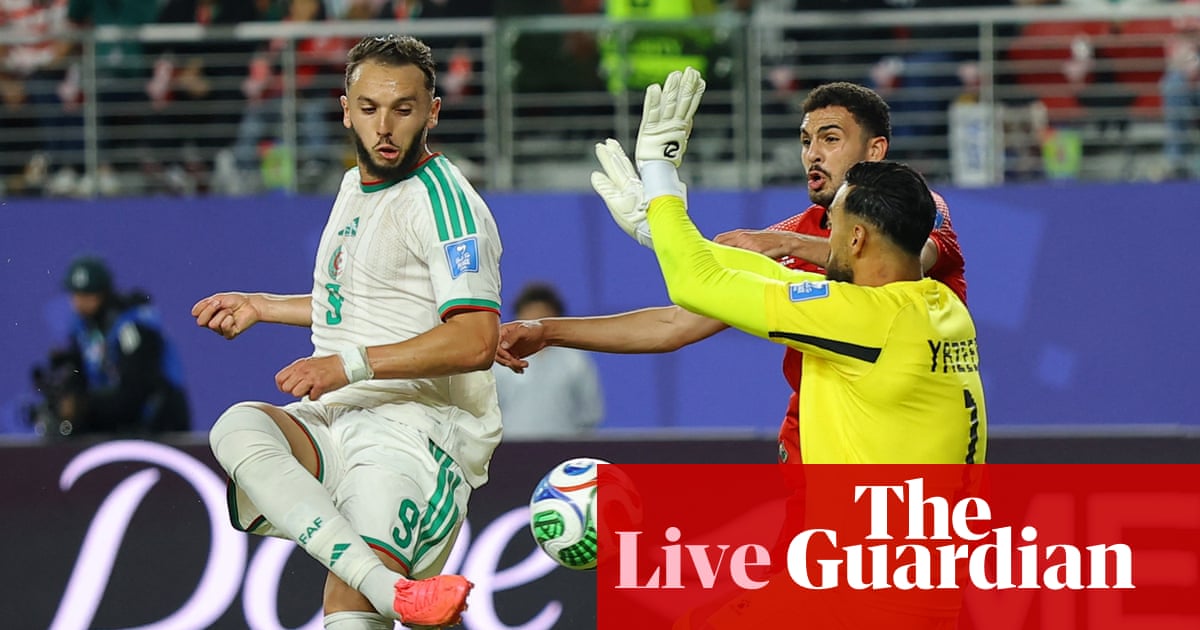
The recent clash between Jordan and Algeria serves as the backdrop for a growing trend in secondary-market transfer scouting. Jordan, often considered a Tier 3 prospect in terms of global scouting visibility, has quietly positioned its core talent for potential moves into Ligue 1 and the Bundesliga. Scouts were seen in the stands recording data on individual defensive transitions during the fixture between Jordan and Algeria. This is standard operating procedure for mid-tier European clubs searching for undervalued assets.
Jordan’s approach to the match revealed a disciplined low block that frustrated Algerian attackers. Their tactical setup implies a scouting focus on technically sound, physical midfielders who can recover possession under pressure. Clubs tracking this squad are likely looking for high-volume ball winners rather than playmakers. If a move materializes, prospective suitors are likely looking at a defensive-minded profile, aged 23-26, costing under 5 million euros.
The contract dilemma and scouting blind spots
There is a recurring issue with players from this region jumping into top-five European leagues. They often succumb to the intensity of training schedules, leading to fitness issues early in their tenures abroad. Any team looking to sign a primary Jordan international must account for the lack of experience in playing 50+ games per season. The physical demands of the Premier League or Serie A are vastly different from the tactical rhythms displayed in international friendlies.
Skeptics point to the lack of attacking threat shown against Algeria as a primary concern for any interested scouts. If a player becomes a ghost in the final third during high-stakes games, how will they perform when expectations rise? The lack of verticality in their midfield, specifically in the 44th minute when they failed to launch a counter-attack, highlights a potential ceiling in tactical awareness. Clubs should be cautious of overpaying based on a singular defensive performance against a high-profile opponent.
Probability assessment and future outlook
The likelihood of a high-profile move this summer is estimated as low, sitting around 20 percent. Most European sides are focused on finalizing their domestic targets before the June 30 accounting deadline. A deal for any key Jordan player will likely follow an extended trial period or a loan-to-buy agreement rather than an immediate permanent transfer. Expect news to break only after the current international window closes in early July.
The financial structure of a potential deal
Clubs interested in these prospects remain wary of administrative hurdles. Work permits and international squad quotas create barriers that usually force executives to look at European alternatives first. If a move is to happen, the total salary package will likely be structured heavily around performance-based incentives and appearance clauses. This keeps the guaranteed base wage low, mitigating the risk for the purchasing party.
Projected impact on team performance
If a scout succeeds in landing one of these defensive anchors, the immediate impact will be on the team's transition defense. Adding a player who can successfully execute the 4-4-2 low block as seen in the match against Algeria could stabilize a relegation-threatened side. However, don't expect a sudden shift in offensive output. These signings are intended to shore up goal difference, not to flip the squad into a high-scoring challenger. It is a pragmatic move for low-budget sporting directors looking for reliable, repeatable defensive efforts.
The club that secures the signature of a breakout star from this fixture will have a significant amount of work to do regarding conditioning. The intensity drop-off late in the second half was visible. For a player to be successful, a full pre-season cycle is mandatory to meet the physical standards of elite European competition. Without this, scouts are merely gambling on raw technique being enough to mask an inferior physical profile.
Read Next