The £300m Scout Premier League Clubs Are Desperate to Sign
Borussia Dortmund have built an elite reputation by buying raw talent low and selling high. Behind that operation stands Sebastian Krug. Now, Europe's richest teams want to steal the man who built the machine.
Premier League executives spend fortunes chasing finished products. Meanwhile, Krug spent the last decade finding future superstars before they hit mainstream radars. His track record is unmatched in modern recruitment.
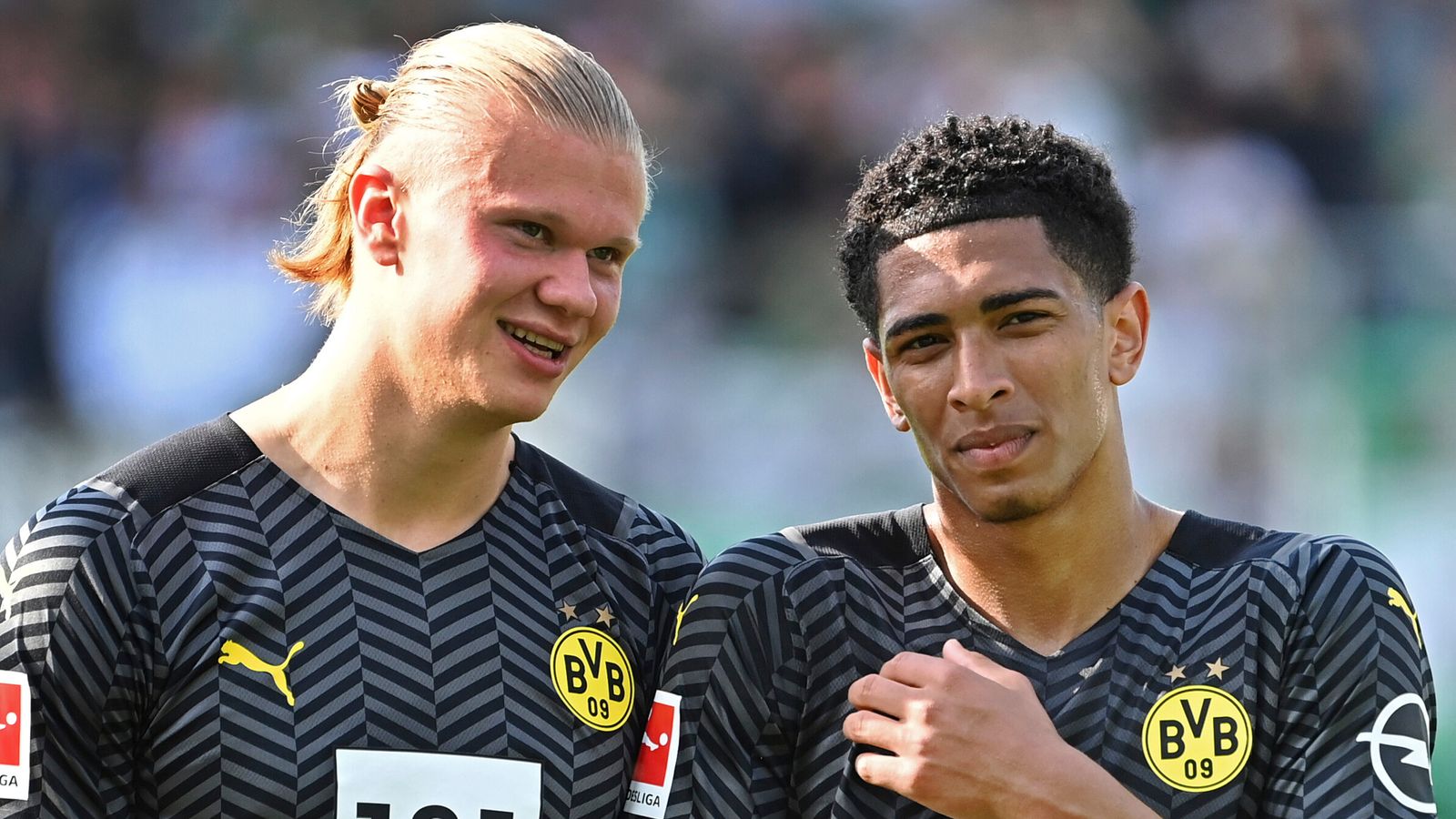
Erling Haaland. Jude Bellingham. Jadon Sancho. Jamie Bynoe-Gittens. These four names alone generated around £300m in transfer revenue for Dortmund. Krug was central to every single one of those acquisitions.
That level of return catches attention in boardrooms across London and Manchester. English clubs realize buying the scout is cheaper than paying a hundred million pounds for the winger he spotted five years earlier.
Recruitment in modern football is an arms race of margins. Finding a world-class talent at eighteen costs five million pounds; buying him at twenty-three costs ten times that amount. Krug mastered the front end of that curve.
Krug has spent nearly ten years inside Dortmund's scouting setup. His network spans across Europe, from English Championship academies to Italian youth leagues. A move abroad now looks imminent.
Top clubs in England and Italy are currently exploring deals to bring him in. Senior executives from major Premier League sides already consult Krug regularly on talent identification and wider market developments.
Dortmund's board knew Krug's valuation would soar once Bellingham and Haaland exploded on the global stage. What they did not anticipate was how quickly rival sporting directors would attempt to poach the architect himself.
Inside the Talent Pipeline: Why the Bellingham Connection Matters
Scouting is no longer just about sitting in cold stands with a notebook. It requires building deep personal trust with families and advisers long before contract negotiations begin. Krug mastered that subtle art early.
Consider the Bellingham family. Mark Bellingham keeps his sons' inner circle deliberately small, turning away dozens of aggressive agents and pushy representatives. Krug built a direct line to the family over several years.
When Jude Bellingham was fourteen, major scouts were sending generic letters. Krug was visiting the family, mapping out a specific multi-year pathway from first-team integration to European nights.
That trust allowed Dortmund to sign Jude Bellingham from Birmingham City when half of Europe was bidding. It also paved the way for Jobe Bellingham's move from Sunderland last summer.
While Premier League clubs hesitated over Jobe's readiness, Krug executed the plan. He understood the development path that the family prioritized over immediate commercial revenue.
The battle for young talent is won in living rooms, not just on video screens. Krug's patient approach gave Dortmund another prime asset while Premier League teams were left playing catch-up once again.
Tactical Profiling and the Italian Market Expansion
Dortmund's strategy is transparent, yet opponents consistently fail to disrupt it. Krug identifies physical traits and mental resilience that suit high-tempo, transition-heavy European football.
Krug does not just look for quick feet or flashy dribbles. He analyzes how players respond to loss of possession, their recovery sprints, and their tactical awareness under intense pressing.
His scouting team evaluates candidates against strict operational criteria:
- Second-phase acceleration and press resistance under high-tempo pressure
- Work-rate metrics during defensive transition recovery sprints
- Direct trust built with small player advisory circles before agent involvement
If a winger cannot track back or execute pressing triggers, Krug moves on to the next candidate on his shortlist. He profiles young players for specific tactical demands rather than raw popularity.
Recently, Krug expanded his focus into Serie A. He has spent months tracking Italy's brightest academy prospects, securing routes into talent pools that English clubs often overlook.
Analyzing young players in Serie A requires filtering out defensive cynicism to find raw physical potential. Krug established scouts across Lombardy and Campania, creating data pipelines that track second-team minutes with precision.
Italian football offers rich tactical discipline at lower price points. Krug recognized that inefficiency early, giving Dortmund a head start in Southern Europe while competitors focused elsewhere.
Yet there is a dark side to this business model. Dortmund's reliance on talent trading has turned them into a stepping stone rather than a sustained champion.
They pocket massive fees, but they lose their core every two seasons. Fans get financial reports instead of league titles, watching Bayern Munich collect trophies while Dortmund rebuilds again.
That endless cycle of turnover eventually exhausts even the best recruitment directors. Krug has maxed out what can be achieved within Dortmund's fiscal limits.
Which Premier League Club Makes the Most Sense?
Senior executives at top Premier League clubs already speak with Krug regularly. They consult him on scouting frameworks, market trends, and player evaluations.
Those conversations are no longer casual chat. They represent pre-interview groundwork for an executive overhaul across several major boardrooms looking for operational clarity.
Chelsea have spent recklessly on unproven youth without a clear tactical vision. Arsenal require sharper international reach to sustain their title pushes. Manchester United continue to overhaul their recruitment leadership after years of wasteful spending.
Look at Manchester United's recruitment history over the last decade. They repeatedly bought talent at peak value and watched that value collapse within eighteen months. Krug represents the exact antidote to that organizational panic.
The financial disparity between the Premier League and the rest of Europe means English clubs can outbid anyone once a target is established. But without Krug's early identification model, that wealth is frequently wasted on reactionary signings.
Any of these clubs would benefit immediately from Krug's methodical approach. He brings structure to chaos, grounding transfer decisions in hard data and personal relationships.
English clubs often mistake high spending for high strategy. They throw £70m at a player after one good season, lacking the patience to scout him at seventeen.
Krug fixes that structural flaw. He provides the blueprint for catching elite talent before market inflation makes them unaffordable.
Leaving Dortmund will not be seamless for Krug. Moving to a Premier League pressure cooker brings fierce media scrutiny and impatient ownership groups who demand instant results.
At Dortmund, a young player is allowed to make mistakes in front of eighty thousand fans. In England, two poor starts trigger headline panics and fan meltdowns.
Final Prediction: Where Krug Lands Next
Krug will have to adapt his pitch to players. He will no longer offer guaranteed minutes in the Bundesliga, but rather fight for rotation spots in stacked Premier League squads.
That tactical transition will test his methods. Yet his foundational scouting process remains far superior to the bloated recruitment teams operating in London and Manchester.
Here is the call: Sebastian Krug will leave Borussia Dortmund before the end of the current season. A top-four Premier League contender will secure his signature to lead their global recruitment network.
Expect him to land in London, where structural rebuilding is desperately needed to match heavy financial backing. His arrival will mark a sharp pivot in how Premier League giants hunt young talent.
Dortmund will lose their primary talent architect, but English football will gain the sharpest talent spotter of the last decade. The recruitment arms race is about to shift permanently.
Read Next