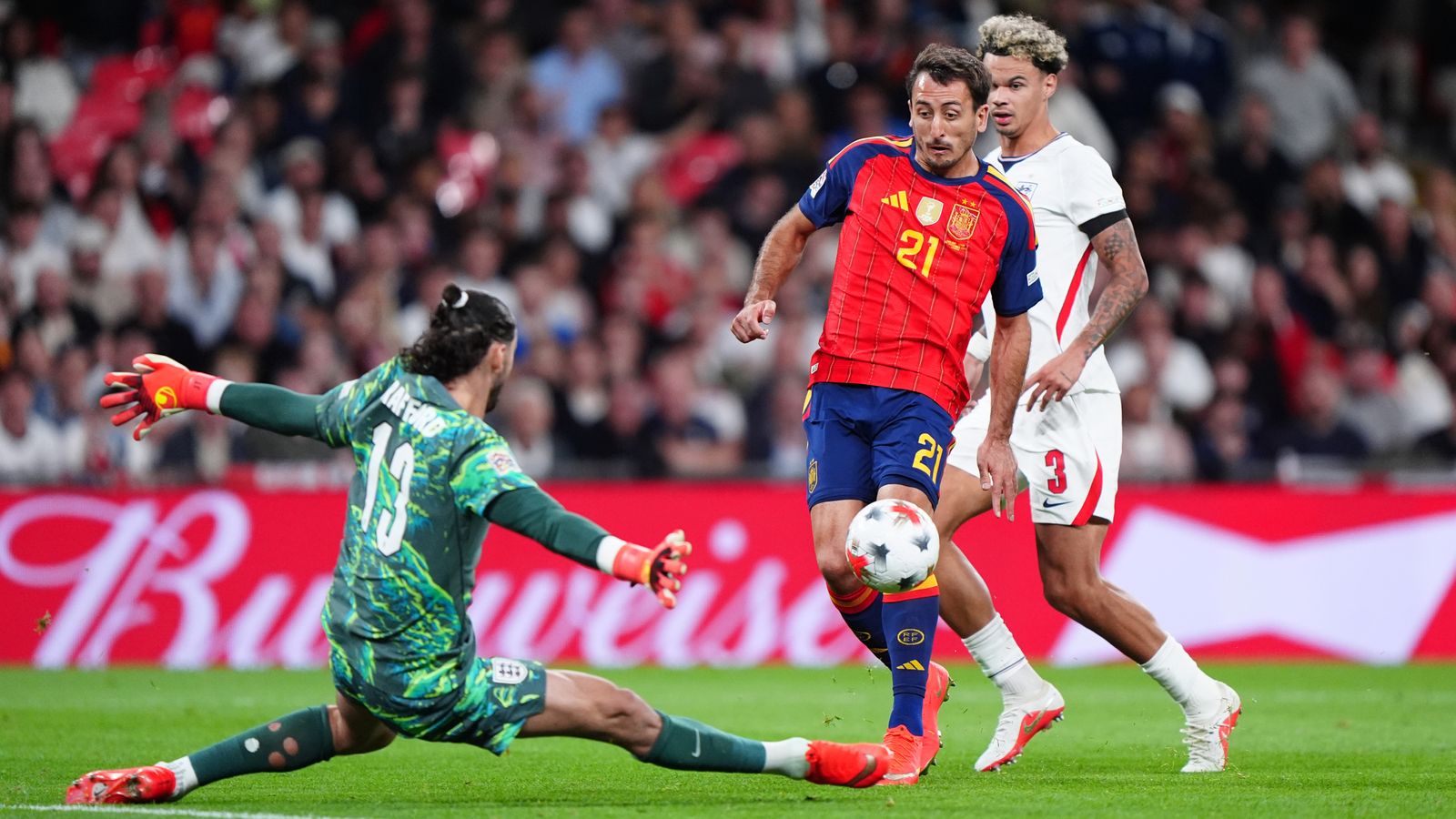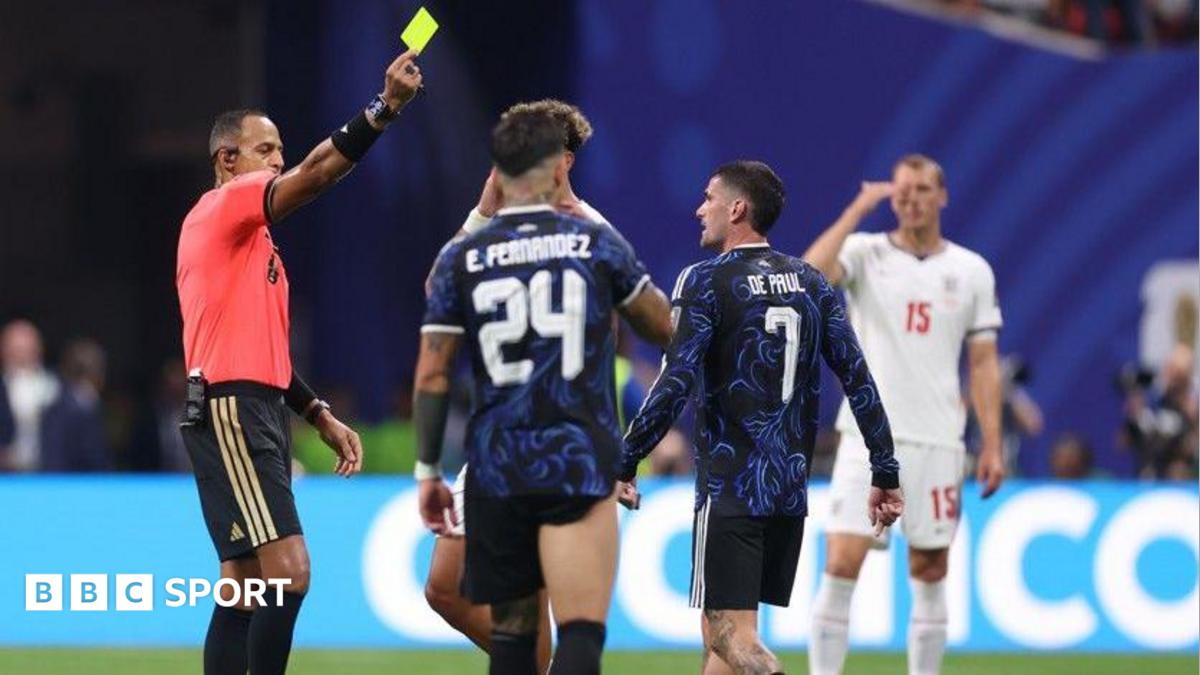
Tactical battlegrounds defined by the grit of Argentina
The 2026 World Cup final is not merely a clash of aesthetic ideologies; it is a collision of physical boundaries. Spain, a side built on high-possession recycling and vertical movement, enters the final with a clear understanding of the hurdle ahead. Throughout this tournament, Argentina has proven that they are willing to push the referee's tolerance levels to the absolute limit. Aymeric Laporte, speaking in the build-up to this spectacle, noted that his final opponents are a team that "likes to leave a mark on their opponents."
This is a warning to the Spanish midfield pivot. If Rodri and Fabian Ruiz look to orchestrate from deep, they will find themselves on the receiving end of aggressive closing-down maneuvers. Argentina does not play for the aesthetic of the passing lane. They play to disrupt the rhythm of the opposition, often employing heavy-handed tactical fouls to kill momentum before it can manifest into a real danger.
The danger of the midfield pivot
Spain's success relies on the ball speed moving from the defensive block into the final third. However, if Thomas Tuchel’s recent England tactical experiment proved anything, it is that forcing high-value players into unfamiliar deep-lying roles leads to immediate stagnation. Spain will not make this error. They will likely favor a more disciplined approach to avoid turning over the ball in positions that feed Argentina’s transition-heavy attack.
The Spanish backline must be prepared for the direct physicality that has served Argentina well in every knockout fixture thus far. Statistics regarding duel success rates in the final 20 minutes of matches show that Argentina excels when the game becomes fragmented. They thrive in the chaos that naturally follows a substitution or a tactical shift. Managing the clock and the physicality of the engagement will be the primary objective for Luis de la Fuente’s men.
Where the match will be won or lost
Focusing on individual duels, Spain’s fullbacks remain a defensive vulnerability that Argentina will target. If the Spanish wide players do not provide adequate cover, the overlapping runs from the Argentine flanks could easily result in high-quality chances. We are looking at a scenario where Spain might hold 65% of the ball but still concede on the break due to a lack of structural cover during transitions.
Spain must avoid the trap of personal vendettas. When a team attempts to "leave a mark," the natural instinct is to retaliate. If the Spanish players lose their discipline and chase physical skirmishes, they will sacrifice the cold, clinical decision-making that got them this deep into the tournament. Every free kick conceded in the final third creates an opportunity for Argentina to play direct, causing panic in the box for a side that occasionally struggles with aerial duels.
My prediction for the final is a narrow victory for Spain, provided they keep eleven men on the pitch and refuse to be baited into a brawl. Expect a scoreline of 2-1, with the game-winning goal arriving via a late transition as Argentina pushes numbers forward in search of an equalizer. It will be an ugly affair at times, but excellence in the technical third eventually overcomes the dark arts.
Read Next
- FIFA scrambling at White House as wildfire smoke threatens World Cup final
- Tuchel must abandon the Kane experiments against a gritty Argentina
- Argentina's Falklands banner stunt has turned the World Cup into a circus
- Lionel Messi's chronic ankle strain casts shadow over Argentina training
- 🏆 World Cup 2026 — Full Coverage Hub
- 🇪🇸 Spain World Cup 2026 — La Roja Hub