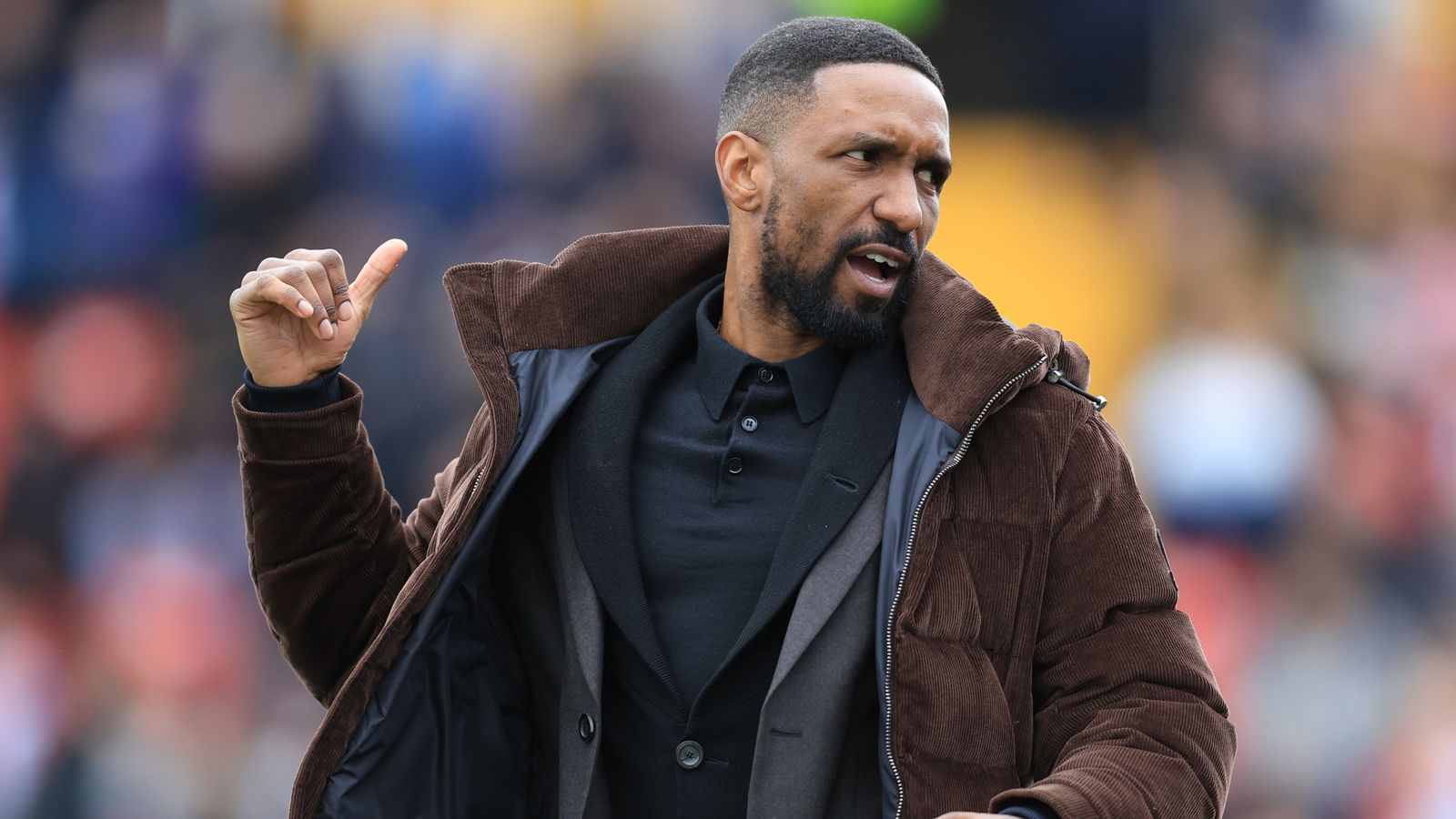
116 days of non-league chaos comes to a screeching halt
If you had Jermain Defoe lasting just under four months in the National League on your 2026 managerial bingo card, collect your winnings at the desk. The former Tottenham and England marksman has officially walked away from Kingfield after just 116 days, declaring it was completely impossible to continue in the role.
Let’s be honest for a second: dropping a guy who scored 162 Premier League goals into the dog-eat-dog trenches of fifth-tier English football was always going to be an insane social experiment. You’re talking about a man accustomed to pristine surface pitches, world-class recovery suites, and top-tier luxury, suddenly trying to figure out why the team bus is leaking on the way to Gateshead on a Tuesday night.
Defoe didn't just walk out the door; he effectively slammed it so hard the stadium lights flickered. When a manager publicly comes out and says conditions made it impossible to carry on, that’s not your standard corporate football speak. That’s a polite way of saying the entire setup was a complete circus behind the scenes.
From vanity project to cold reality check
When Woking appointed Defoe back in late March, the PR machine went into hyperdrive. The headlines wrote themselves, the social media clips did numbers, and for a brief second, Kingfield felt like the center of the lower-league universe. But glitter doesn't win you 50-50 tackles against physical center-backs who treat football like a legal assault.
The jump from elite-level playing career straight into lower-league management is one of the most ruthless meat grinders in sports. For every guy who makes the transition look seamless, there are ten legendary strikers who quickly realize that explaining body positioning to a part-time defender is a fast track to an early migraine. Defoe found out the hard way that high-level instinct cannot simply be coached overnight when resources are razor-thin.
Woking thought they were hiring a marquee name to elevate the club's status, but instead, they got a stark reminder of the massive chasm between glamor and grit. The experiment didn't just fail; it collapsed under the weight of unrealistic expectations and non-league reality.
What happens when high standards hit lower-league budget limits?
Reports surrounding the departure clearly point toward a massive friction point: standards versus actual infrastructure. When you bring in someone who spent two decades at the very pinnacle of the sport, their baseline expectation for how a club should function is set to maximum. When the budget, facilities, and day-to-day operations fail to match that vision, frustration boils over fast.
It’s a classic trap for lower-league clubs hunting for celebrity managers. They want the clout, the camera crews, and the sponsorship interest, but they rarely have the operational stomach to support a manager who demands elite environments. Defoe realized very quickly that he was fighting an uphill battle against structural limitations rather than just the opposition on Saturdays.
Did Defoe underestimate how tough the National League environment would be? Absolutely. You can't enter that division expecting smooth sailing or pristine tactical chess matches. But the club board also shares heavy blame for bringing in a Ferrari when they only had the budget to maintain a second-hand hatchback.
The fallout and what comes next for both sides
So where does this leave everyone? For Woking, they are right back at square one, left searching for a manager who actually understands how to survive in the lower-league trenches without complaining about the laundry service. The PR boost is gone, leaving behind a fan base that is understandably exhausted by the brief circus act.
For Defoe, this short-lived disaster is a massive blow to his managerial ambitions. Leaving a job after 116 days is going to leave a mark on his coaching resume whether he likes it or not. The next board considering his signature will look at this exit and wonder if he has the stomach for the dirty work when things aren't picture-perfect.
Ultimately, this entire ordeal serves as a cautionary tale for the rest of football. Flashy name recognition might sell season tickets in April, but when November hits and you're grinding out results, pedigree alone won't keep the lights on.