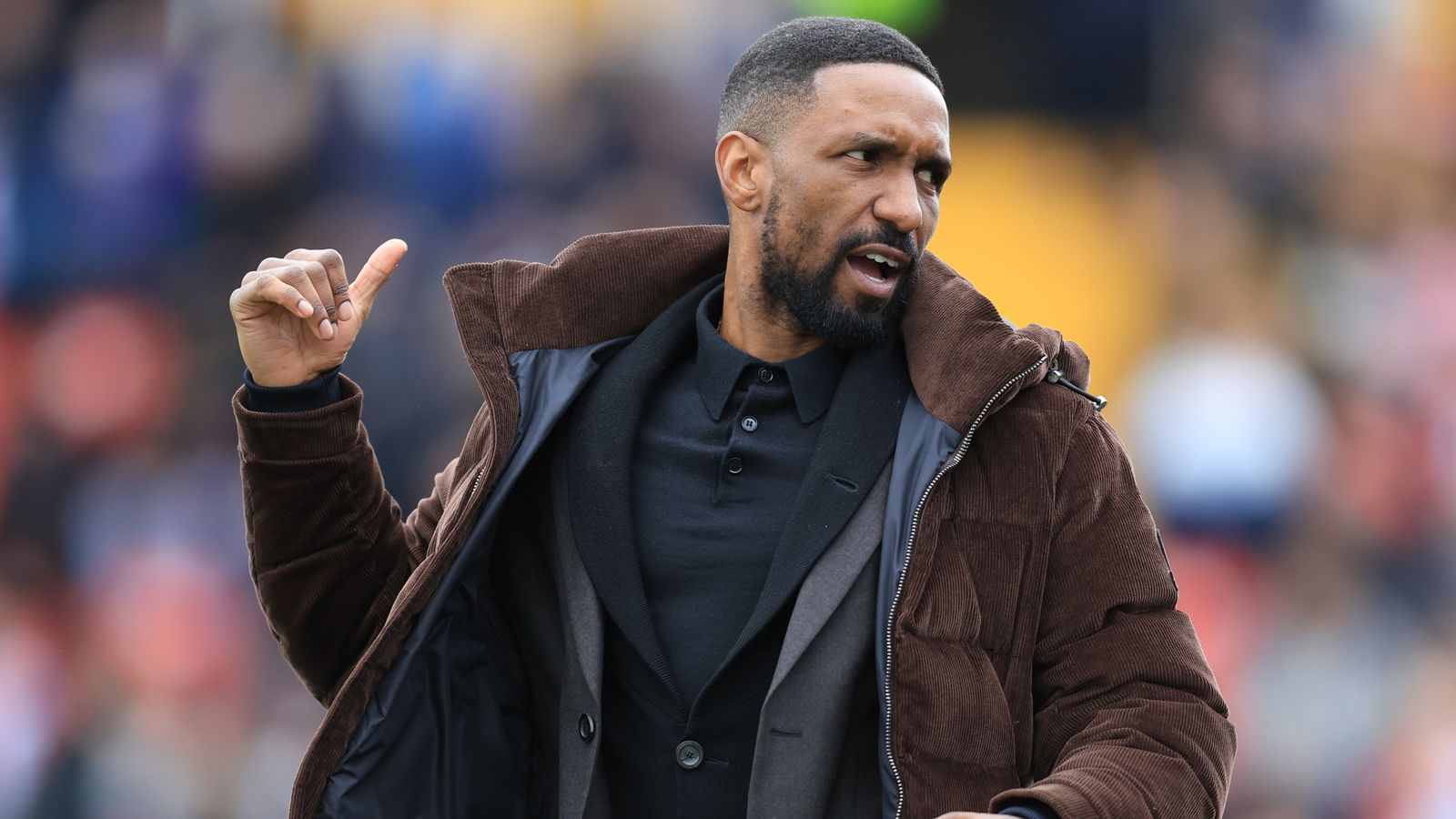
A abrupt end at Kingfield
Jermain Defoe's transition into senior managerial management has hit a sudden brick wall. Just 116 days after taking charge at Woking, the former England striker has parted ways with the National League side. It is a swift and uncompromising end to a high-profile appointment that promised tactical intrigue but ultimately delivered brief duration.
When Woking appointed Defoe, the gamble was obvious. The club sought the star power and modern offensive ideas of a forward who scored 162 Premier League goals. Instead, the reality of non-league football hit hard. The margin for error in the fifth tier is nonexistent, and 116 days offers virtually zero time to establish a coherent pressing structure or pattern of play.
The brutal reality of lower-league management
Stepping out of academy setups into senior management requires an immediate adapting to structural limitations. You do not have top-tier squad depth or specialized analytical departments to fine-tune spacing over a six-month transition. Defoe found himself managing in a league defined by physical directness and rapid transitions, where tactical idealists often get caught in possession in their own third.
Woking's decision to cut ties so quickly signals a clear panic about trajectory. While 116 days is barely enough time to unpack a tactical board, non-league boardrooms rarely possess the patience to wait out a developmental curve. The separation leaves Woking searching for immediate stability while Defoe faces an early, harsh lesson in management survival.
What comes next for both sides
For Woking, the priority shifts back to pragmatic survival and points accumulation. The bold gamble on name recognition has failed, leaving the squad in needing of immediate operational clarity. Expect the next hire to lean heavily toward experienced National League figures who understand the direct, high-second-ball demands of the division.
For Defoe, this brief tenure should serve as a practical calibration rather than a career verdict. Transitioning from elite player to dugout tactician is rarely linear. But if he intends to build a serious coaching career, his next step must demonstrate an ability to adapt tactical principles to the raw, unglamorous realities of lower-league football.