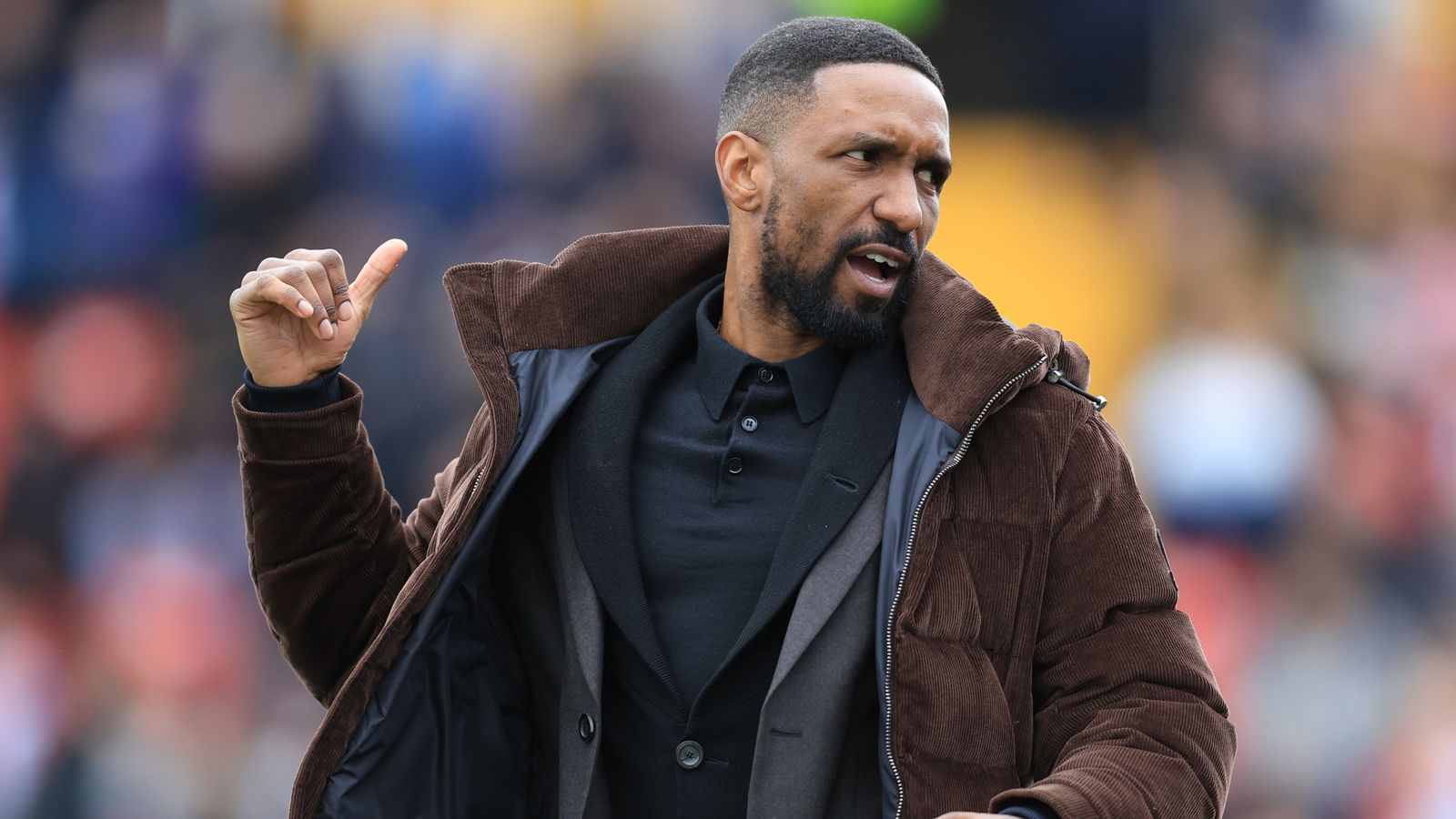
Defoe departure marks a swift end for Woking
Jermain Defoe has vacated his position as manager of Woking after just 116 days at the helm. The separation, confirmed earlier today, follows a turbulent stretch that saw the club struggle to find consistency on the pitch. Woking officials initiated the split to reset the tactical direction before the season intensifies.
Defoe took the reins with significant anticipation, given his storied career as a prolific Premier League predator. His transition to the dugout was viewed by many as a calculated move for the National League side to build a high-profile brand. However, the reality of non-league football proved far less malleable than his playing days suggested.
The strategic disconnect
Performance metrics under Defoe remained stagnant, failing to capitalize on the preseason investment. The squad lacked the tactical discipline required to grind out results against compact defensive lines. Sources familiar with the decision point to a lack of cohesion between the manager’s high-possession philosophy and the physical constraints of the current roster.
It is worth noting that Defoe’s tenure was truncated enough to prevent any long-term structural changes at the club. Transitions this short often leave a void in squad morale, as players find themselves learning a third system in under four months. The efficiency of the next hire will dictate whether this period is viewed as a minor misstep or a failure of vision.
Historical context for coaching volatility
Short-term managerial appointments have become a recurring feature in the National League. Clubs frequently gamble on big-name signings to drive commercial interest, only to cut ties when the points column doesn't match the PR push. This mimics the lifecycle of several mid-tier English clubs that have prioritized optics over incremental tactical growth.
History shows that when a marquee name fails to adapt to lower-league grinding, the fallout is usually immediate. Defoe now joins the list of former players who discovered that translating elite finishing skills to training ground management requires an entirely different set of analytical tools. His future path remains an open question, though his pedigree will likely keep him in the orbit of professional coaching discussions.
Operational impact and team outlook
The club now enters a high-stakes period of search and recruitment. Woking must stabilize the locker room immediately to prevent a slide down the table. Any delay in appointing a successor effectively writes off the gains made during the summer. As reported by Sky Sports, the turnover rate in this bracket continues to spike, suggesting that patience is no longer a virtue for owners chasing progress.
The administrative burden shifts to the board for vetting the next set of candidates. A mistake here could prove more costly than the initial Defoe gamble. Tactical rigidity or an inability to manage a small budget could leave the club in a precarious position by November. The focus must now shift toward pragmatic coaching rather than brand recognition.
The decision to part ways with Jermain Defoe follows a period of reflection on the club's trajectory and performance requirements for the upcoming season.
Ultimately, this departure underscores the brutal nature of modern management. Results remain the only currency that buys job security. Defoe’s 116 days will be footnotes in the club's history books, serving as a reminder that name value does not guarantee tactical success. Woking now faces the most difficult task of their year: finding a coach who can actually deliver results.