The six-game lesson in management
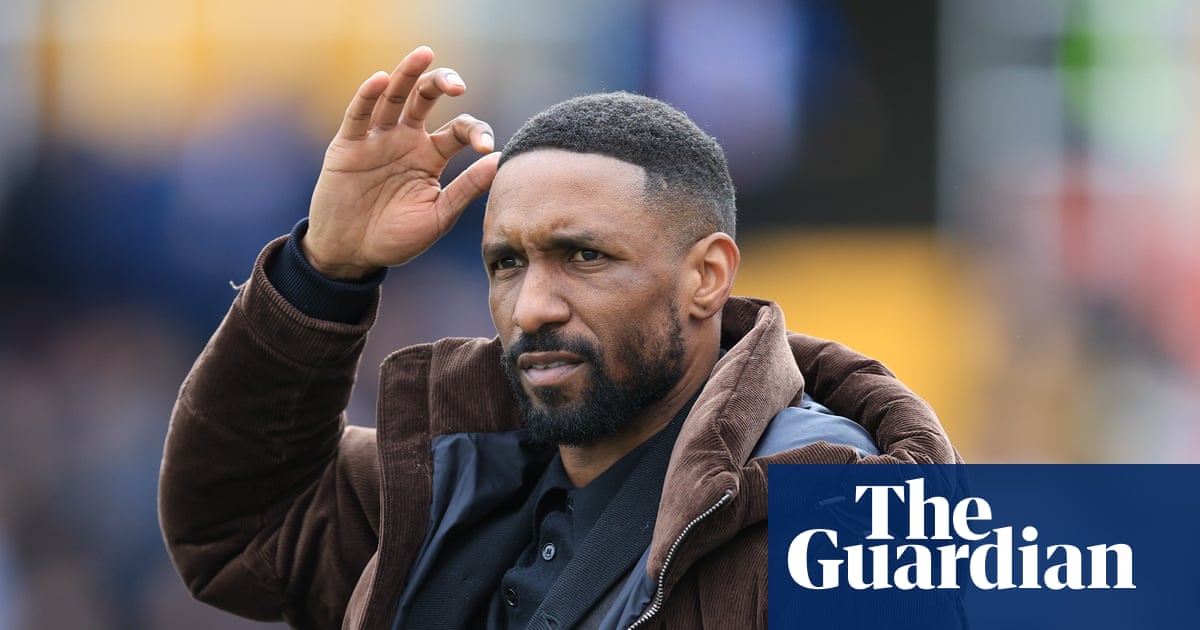
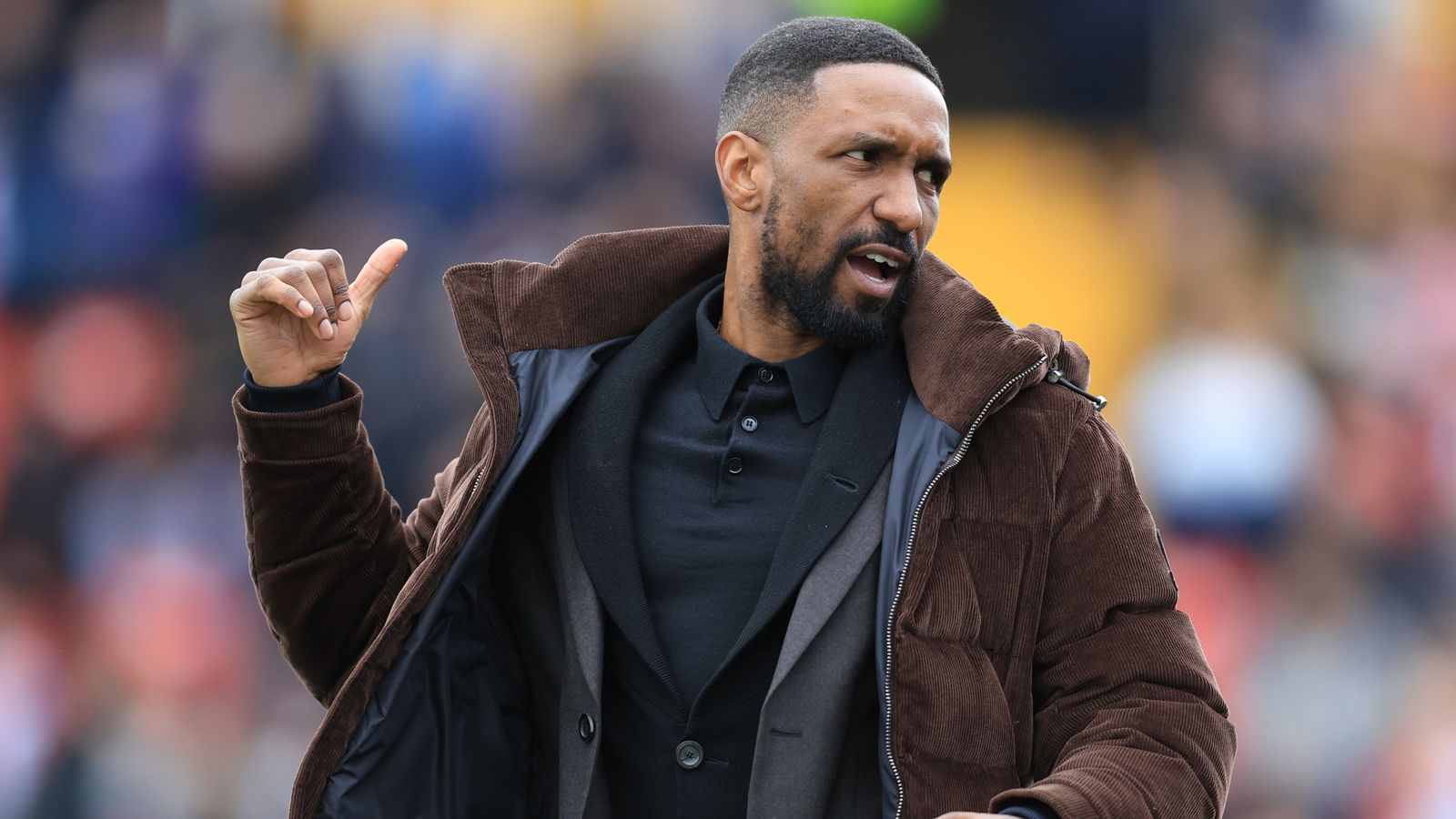
Jermain Defoe’s tenure at Woking lasted exactly six games. That is not a managerial career; it is a long trial period that ended in an immediate exit. Defoe arrived at the National League side in late March with the pedigree of a Premier League legend, but he left this week citing an impossible situation.
We consistently see high-profile players move into management expecting their tactical knowledge to translate directly to the dugout. It rarely works that way. Managing at the fifth level involves logistical hurdles that have nothing to do with finishing ability or off-the-ball movement. If you cannot manage the budget, the board, and a squad of part-timers, your star power is useless.
Tactical arrogance vs. reality
The Mirror report confirms that Defoe realized his vision was incompatible with the resources available at Woking. When a former striker enters the job, there is an inherent pressure to play expansive, attacking football. Yet, in the National League, points are often a result of narrow wins and defensive stability, not aesthetic superiority. Defoe tried to install a complex ball-retention philosophy with a roster built for survival.
The inevitable friction between his expectations and the actual personnel caused the collapse. Coaching is about optimization, not just implementation. By attempting a total restart of their identity in late March, he invited failure. The squad likely revolted against the high-intensity demands that did not yield immediate results in the opening 6 games.
The post-playing pivot is broken
This failure highlights a recurring flaw in how former England internationals approach the transition. They treat management as a logical extension of being a captain on the pitch. It is not. Dealing with a hostile press and a shoestring transfer budget requires a level of patience many elite strikers never had to develop during their playing years.
Defoe will likely find a role as a pundit or a youth coach within a top-flight academy soon. However, his failure to stabilize a struggling National League team will be a black mark on his resume for any future Football League director of football looking for a candidate. He should have spent a year as an assistant under someone who knows how to survive a relegation scrap.
Why the next step remains uncertain
I predict Defoe will stay out of the head coach chair until at least the end of the 2026/27 season. Reputation damage in the lower leagues is permanent unless you can prove you are a tactician who can grind out results. He doesn't have that proof yet. If his next move is another head coach role in a similar tier, he will suffer the same fate. Coaching is a grind, and Defoe wasn't ready to face the reality that a badge and a highlight reel don't stop a cross or close down space.