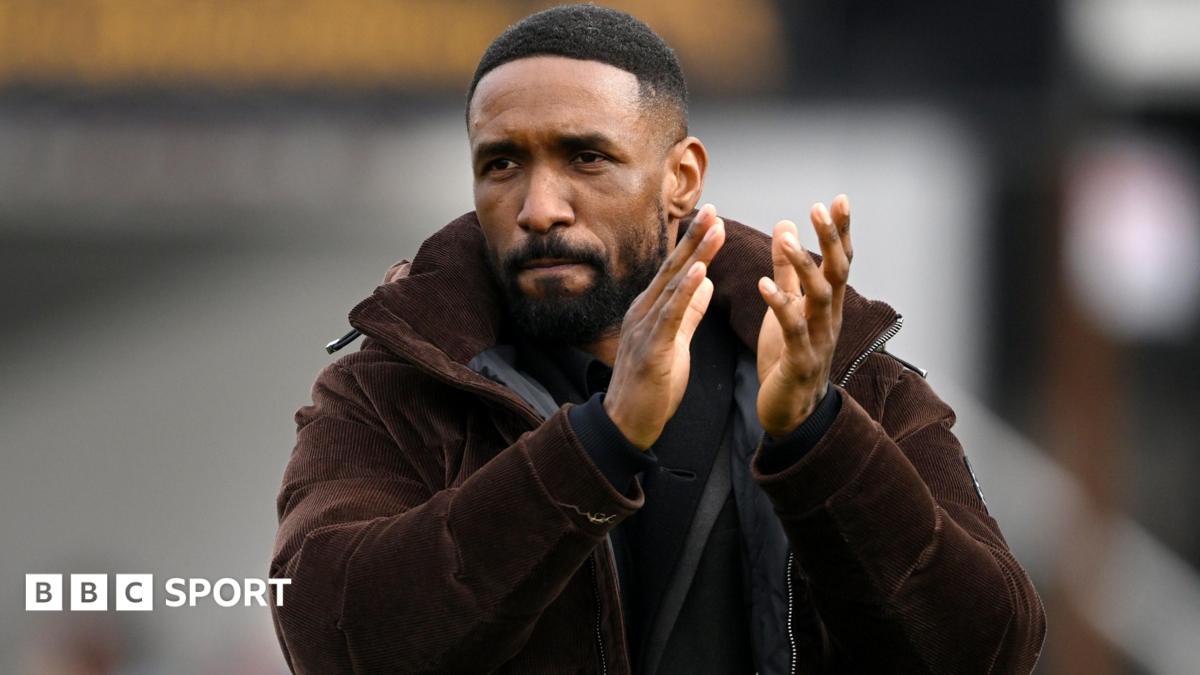
Defoe exits Woking after brief, difficult tenure
Jermain Defoe has officially vacated his position as manager of Woking after a 116-day stint. The former striker led the club through just nine matches before the decision was reached to part ways. Internal sources describe the move as a reset intended to stop a slide in form before the season workload increases.
The club confirmed the news earlier today. Defoe characterized the time spent in the dugout as an eye-opening experience, though he leaves with a win percentage that fell well below expectations. Woking now faces an immediate search for a replacement while the squad chemistry remains in a state of flux.
The reality of the jump from player to manager
Defoe’s transition into coaching following a stellar playing career highlights the common friction between star athletes and the realities of small-budget management. Managing in the National League requires a tactical focus and recruitment skill set that is entirely removed from the elite bubbles of the Premier League or international football. His time at the club saw more off-field speculation about his future than on-field tactical stability.
Critics point to the lack of clear patterns of play during his tenure. The defensive structure was porous, and the reliance on individual brilliance often left the squad vulnerable to teams with better tactical organization. This departure highlights a growing trend of high-profile ex-players failing to translate name recognition into immediate results in the lower echelons of the football pyramid.
What happens next for the Woking squad?
Woking officials have signaled an intent to pivot toward a more experienced appointment. The current roster is facing a period of uncertainty as training regimes remain temporary under interim supervision. The board is under pressure to avoid a repeat of this short-term experiment that yielded minimal tangible progress.
History suggests that interim periods without a clear vision often lead to mid-table mediocrity. Woking enters this phase with a record of inconsistency that has left supporters frustrated. The next appointment needs to be a manager with a proven track record of grinding out wins at the fifth-tier level rather than another high-profile name with little coaching experience.
The wider impact of managerial turnover
The decision to fire Defoe within four months reflects the increasing impatience within lower league clubs. Financial stability is tied to league positioning, putting immense pressure on managers to produce results from the first whistle. Smaller clubs cannot afford to wait for a long-term project to bear fruit if the early signs show regression.
This outcome should serve as a wake-up call for other clubs considering similar high-profile, low-experience hires. Marketing value often competes with footballing substance. Unless the new hire can implement a rigid defensive system, the club risks a downward trajectory that could take years to rectify. We are seeing a 9-match sample size that serves as a grim summary of how quickly elite pedigree can clash with the grind of the National League.
Jermain Defoe has described his first managerial job as an eye-opening experience following his departure from National League side Woking after just four months and nine matches in charge.
The strategic failure here was neglecting the technical demands of the division. While Defoe was a clinical striker, the leap to managing a squad with finite resources and varying levels of fitness is significant. The board failed to provide a buffer for the learning curve, and the results reflected that tactical disconnect. Whether Woking can stabilize before the next international break will define if this experiment was merely a distraction or a significant setback for the season.
Management must now prioritize continuity. The constant changing of staff and tactical philosophies is a hallmark of failing clubs. If the board does not identify a manager who can adapt to the constraints of the division, the squad will continue to struggle at both ends of the pitch. The 116-day duration of Defoe’s time in charge will be viewed as a missed opportunity for both parties involved.