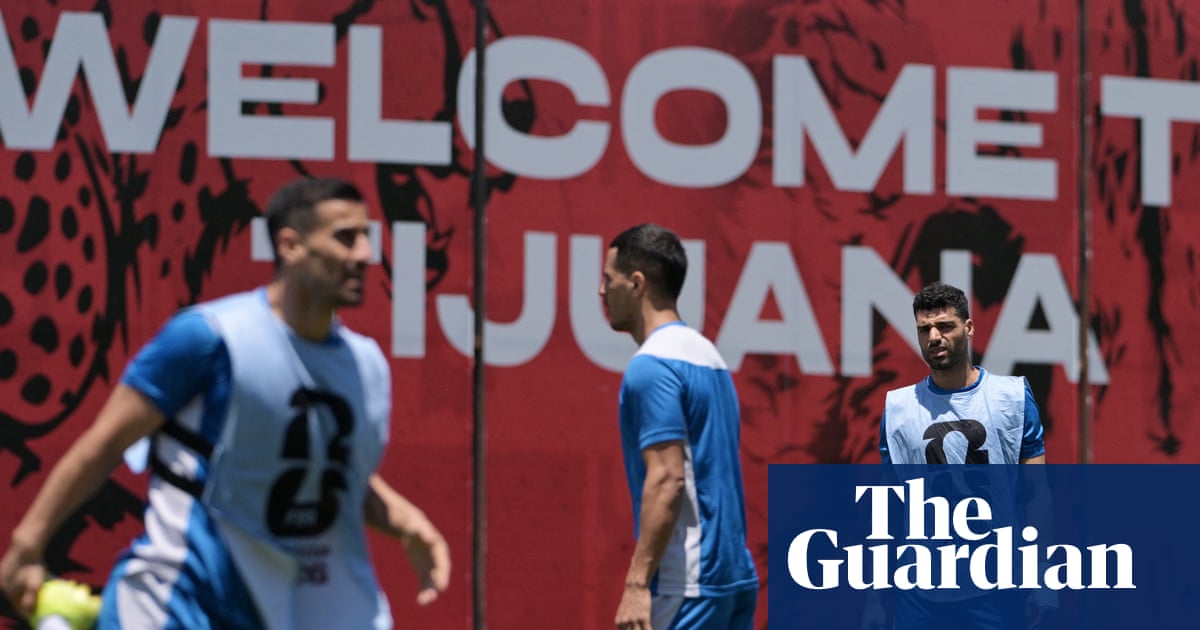
Logistical failure threatens Iran's 2026 World Cup campaign
The Iranian Football Federation is formalizing a complaint to FIFA regarding travel restrictions for the 2026 World Cup. The squad faces a condensed window for adaptation in Los Angeles before their opening fixture against Belgium. Current directives dictate the team will arrive in the city just 24 hours prior to the match.
This tight turnaround leaves negligible time for acclimatization to the US climate, time zones, or pitch conditions. For elite athletes tasked with high-intensity movement, the recovery protocols usually required to combat jet lag are essentially nonexistent. International squads typically demand 72 hours on-site to minimize physiological disruption before competitive play.
The physical cost of travel fatigue
Lack of proper rest causes measurable performance drops. Studies show that travel-induced fatigue directly correlates with a higher risk of soft tissue injuries, particularly during matches held in high-speed, high-stakes environments. The Iranian squad will likely suffer from increased heart rate variability and reduced cognitive reaction time during their first 90 minutes.
Belgium is a team that thrives on ball retention. If Iran’s players are sluggish due to travel strain, their defensive line will struggle to maintain the discipline required to hold a lead or break a press. The timing of this arrival window effectively prevents the standard training cadence required to prepare for a team of Belgium's caliber.
FIFA’s involvement and precedent
This situation follows other administrative headaches seen at major tournaments, as reported by The Guardian regarding the complaint process. Historically, FIFA has been inconsistent in managing logistical equity between nations. When smaller federations are forced into grueling travel schedules while top-seeded squads receive preferential treatment, the competitive balance is undermined.
The federation is expressing deep dissatisfaction with the organizers. Whether this results in a schedule shift remains unlikely given the rigid nature of the tournament schedule. FIFA rarely intervenes in travel logistics once they are codified in a tournament handbook, regardless of potential health risks or competitive disadvantages.
Strategic implications for the opening match
Iran must now lean on defensive conservatism to mitigate the lack of fresh legs. Their medical staff will be forced to implement aggressive hydration and light-exposure therapy during transit to salvage what remains of their recovery window. This is a suboptimal way to start a tournament run.
Coaches usually spend the final 48 hours refining set-piece routines and tactical adjustments. Iran will instead be spending those hours in transit or dealing with check-in procedures. If they sustain a non-contact injury in the first half of the Belgium game, the lack of sufficient rest will be the primary diagnostic culprit.
A pattern of organizational neglect
This is not the first time a major tournament has seen grievances over travel and hotel arrangements. However, the restrictive 24-hour window indicates a failure in tournament planning that borders on negligence. It forces the team into a state of high-stress performance without providing the minimum viable recovery metrics.
The reliance on the formal complaint process indicates the depth of internal frustration. The staff is likely concerned that their starters are already at a 15 percent higher risk for muscle strains due to this specific logistical burden. If they concede early, it will be hard to argue that the schedule didn't dictate the flow of the match.
Ultimately, this is a race against biology. By curbing their ability to train properly, the organizers have effectively put their thumb on the scale. The outcome on the pitch will prove whether this disadvantage can be overcome, but the preparation phase is already failing the players' physical needs.