The IOC’s jurisdiction audit
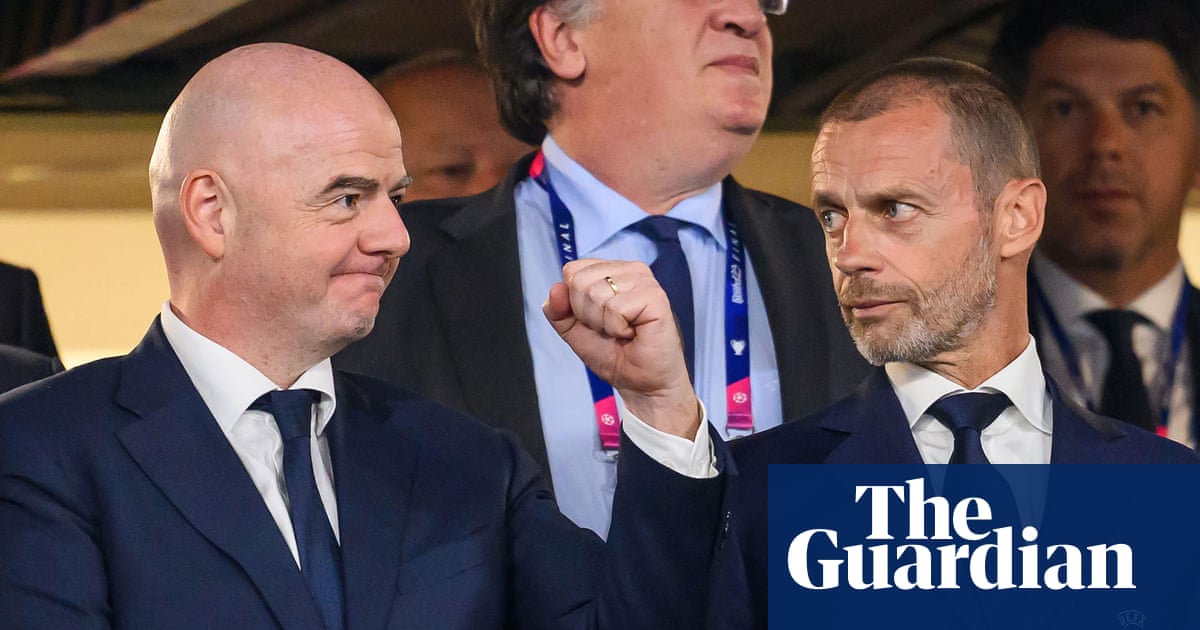
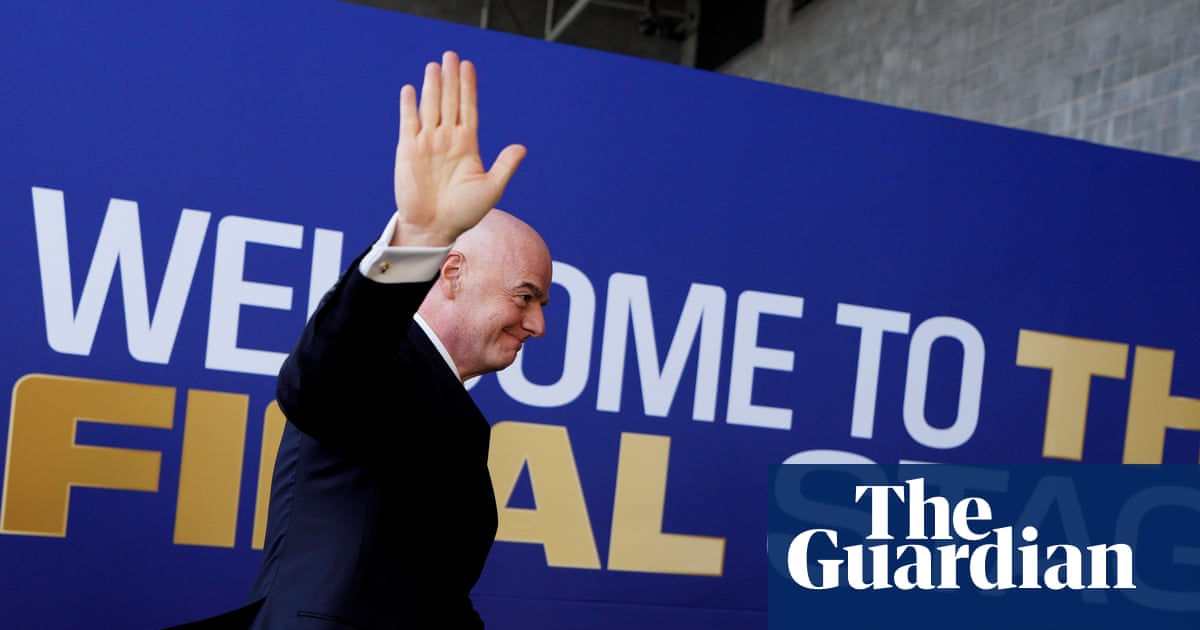
The International Olympic Committee recently confirmed it will not investigate Fifa president Gianni Infantino. Their public justification? The complaint filed against the football administrator falls entirely outside their defined jurisdictional scope. This decision leaves a massive governance void at the top level of international sport.
While the IOC handles integrity via the Olympic Charter, Fifa operates as an independent federation. This separation of powers creates a zero-percent chance of external oversight for Infantino's internal conduct. Between 2016 and 2026, Fifa’s revenue grew by nearly 30 percent, yet transparency mechanisms remain largely siloed within their own ethics committees.
Comparing the institutional gap
To understand the depth of this issue, compare the regulatory reach of the Court of Arbitration for Sport against the IOC’s decision. In the last five years, CAS has handled roughly 600 cases annually, but the majority concern doping or contract disputes rather than organizational governance. The IOC’s refusal to intervene highlights that Fifa remains an outlier.
As the BBC reported, the IOC is strictly policing its own boundary. By ignoring the complaint, they effectively signal that the global football apparatus is autonomous. This creates a dangerous precedent where internal power structures become impossible to audit from the outside.
The weight of the numbers
Since taking office in 2016, Infantino has presided over significant changes, including the expansion of the World Cup to 48 teams. This move is projected to increase tournament revenue by an estimated $1.5 billion, yet the decision-making process for this expansion was criticized for a lack of public, independent scrutiny.
The current lack of external accountability is not an accident of policy but a feature of the system. Even when institutions like the IOC are alerted to potential issues, the bureaucratic wall remains impenetrable. With a 32-team Club World Cup also on the calendar for 2025, Fifa’s influence on the calendar is higher than ever before.
This centralization of authority makes the lack of an independent oversight body even more glaring. The refusal by the IOC confirms that for now, the status quo is protected by jurisdictional limits. If there is no mechanism for an external audit, the governance of the sport's biggest organization will continue to operate through a lens of self-regulation only.