
Infantino is dodging reality while the World Cup legacy burns

Measuring the cost of Infantino’s revisionism
Gianni Infantino has released a sprawling 886-word document that ignores the structural failures of the recent tournament. Rather than engaging with the valid concerns regarding match-going experience and logistical hurdles, the FIFA president opted for a defensive posture. As Mirror Football reported, the letter reads less as a state-of-play report and more as a desperate attempt to manufacture a narrative victory where none exists.
Tactically, this is a flawed play. In modern recruitment cycles, such as the one that saw Chelsea commit 117 million pounds to Morgan Rogers, the emphasis is on measurable output and efficiency. Infantino seems to believe he can operate outside these parameters of accountability. He is misreading the room by disregarding the critics of his administration.
The danger of ignoring data
Successful organizations thrive on feedback loops and error correction. When Real Madrid targets players like Yan Diomande, they do so because they have identified a specific tactical deficit in their defensive transition. They don't ignore the problems; they solve them. Infantino is doing the opposite by treating silence as agreement.
His letter attempts to rewrite the history of the last tournament, smoothing over events that caused genuine friction for fans and journalists alike. By glossing over the controversies, he ensures that the same mistakes will be repeated in future cycles. It is a fundamental leadership error that leaves him vulnerable as his tenure faces increased scrutiny.
Missing the point on structural governance
The core issue is that Infantino is prioritizing his personal brand over the health of the sport. Real Madrid’s management understands that their institutional reputation relies on the accuracy of their transfers and their clarity of vision. Infantino lacks this focus. He is fixated on the image of the game rather than the underlying operations that actually allow the game to function.
Ignoring the issues will not make them disappear. In football, like in life, results are eventually measured by hard data. If a midfielder misses 40 percent of his forward passes and is subsequently bought for a massive fee, the error will eventually be exposed. Infantino is now carrying a similar burden. His decision to dismiss dissent signifies a detachment from the very sport he claims to represent.
The irony is that the FIFA president had an opportunity to address the legitimate grievances presented by the global football community. Instead, he chose a monologue devoid of substantive engagement. Just as a manager who refuses to adjust his pressing triggers when they are being consistently bypassed by high-quality opponents, Infantino is setting himself up for a total collapse of authority.
He is clinging to a version of reality that the fans, sponsors, and stakeholders simply do not recognize. History is written by the victors, but revisionism is easily mapped by anyone with a spreadsheet and a long memory. This letter won't silence the critics; it will only embolden them to track the contradictions between his narrative and the real-world evidence.
Fire TV Stick 4K Max streaming device
Never miss a single match with ultra-fast streaming for all your sports apps.
Frequently Asked Questions
What is the primary criticism of Gianni Infantino's recent FIFA letter?
How does the article compare FIFA's governance to successful football clubs?
Why is the FIFA president's approach described as a leadership error?
What is the consequence of Infantino prioritizing his personal brand?
How does the author characterize Infantino's refusal to engage with critics?
More Coverage

Ex-Spurs defender Ramon Vega launches long-shot bid for FIFA presidency
2 weeks, 4 days ago
Top 10: World Football's Biggest Storylines, Scandals, and Shocks of 2026
2 weeks, 5 days ago
When even the Swiss abandon you, your FIFA presidency is officially cooked
3 weeks ago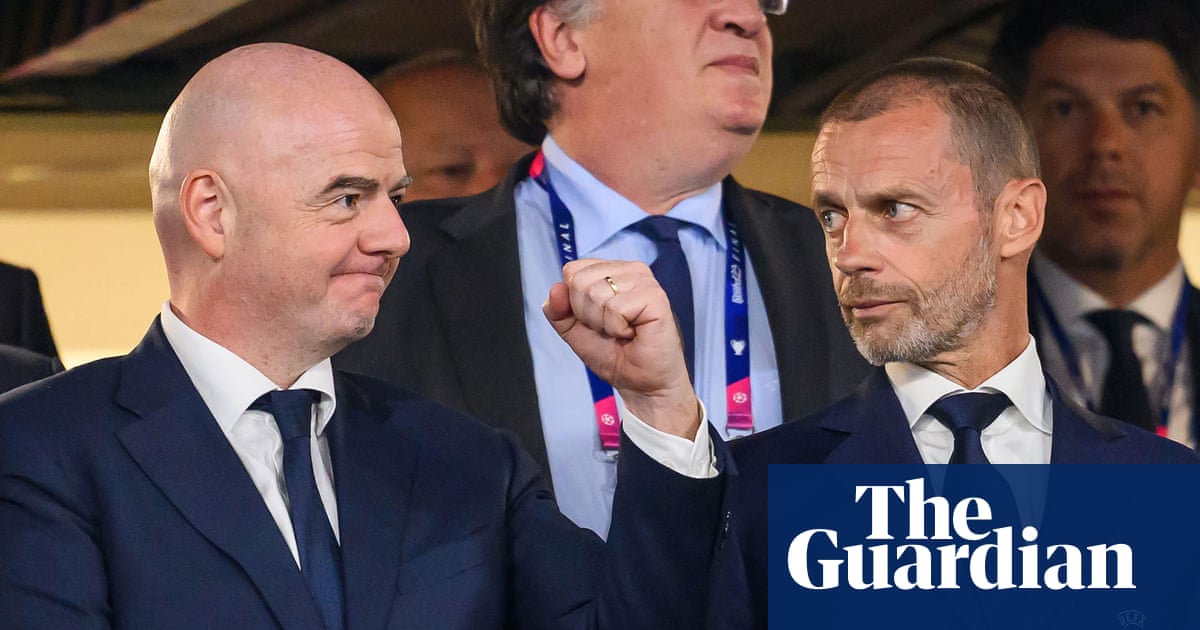
Aleksander Ceferin is right about Infantino, but UEFA has no plan B
3 weeks, 5 days ago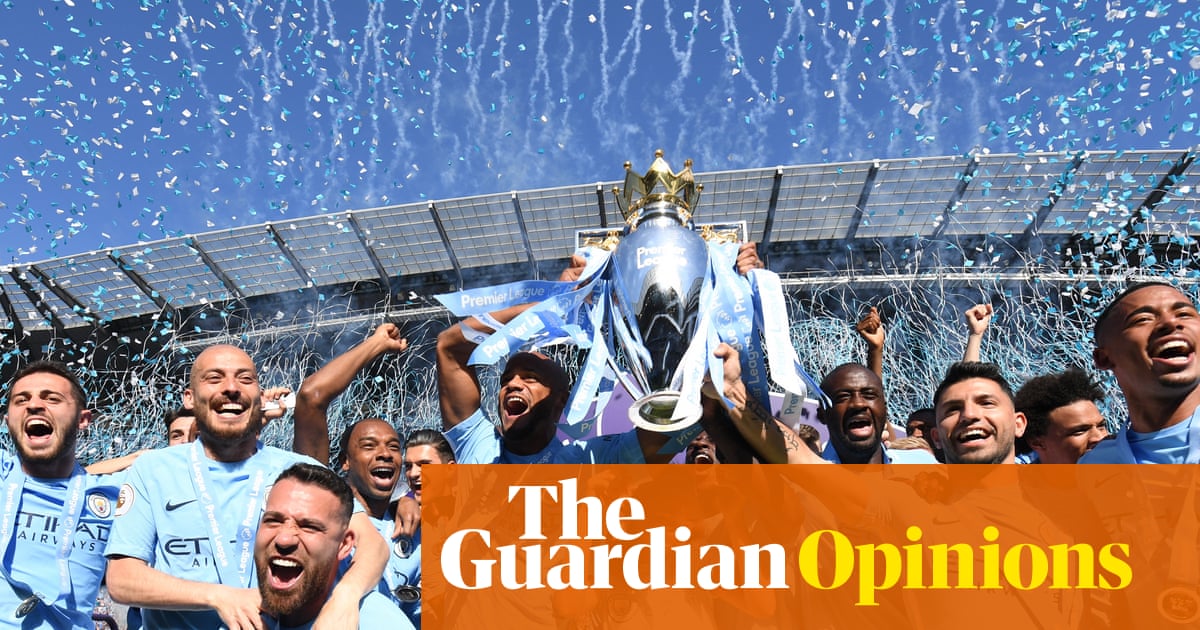
Manchester City's legal showdown is about to tear the Premier League apart
3 weeks, 6 days ago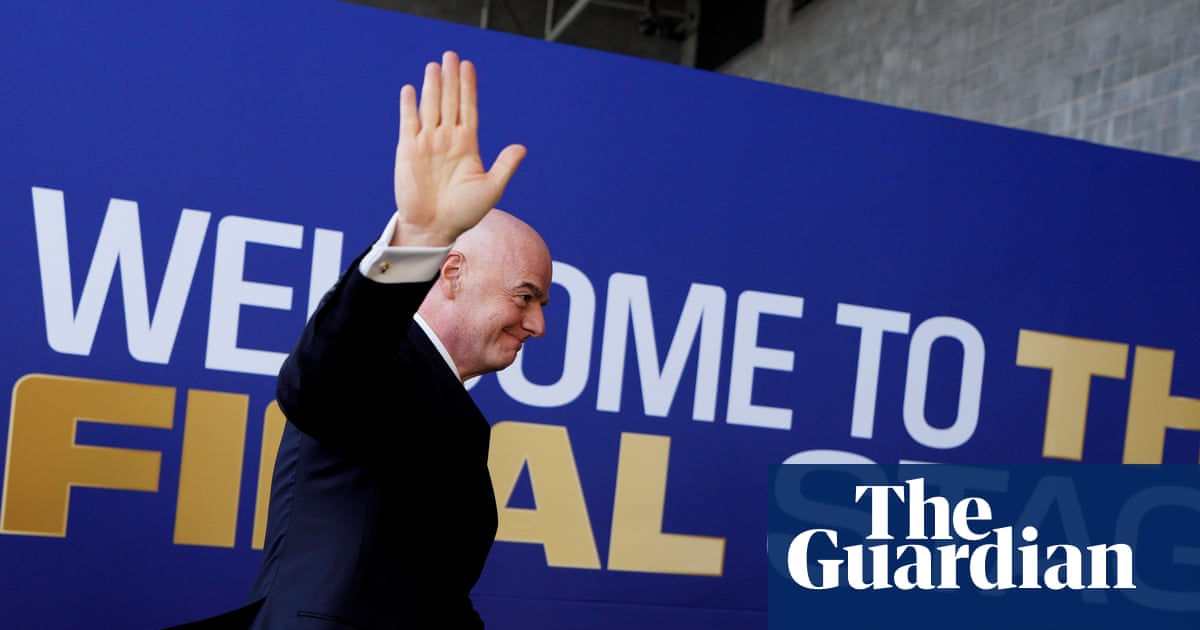
Folarin Balogun transfer picture grows murky after FIFA World Cup row
1 month agoMore Analysis
Ex-Spurs defender Ramon Vega launches long-shot bid for FIFA presidency
2 weeks, 4 days ago
Top 10: World Football's Biggest Storylines, Scandals, and Shocks of 2026
2 weeks, 5 days ago
When even the Swiss abandon you, your FIFA presidency is officially cooked
3 weeks ago
Aleksander Ceferin is right about Infantino, but UEFA has no plan B
3 weeks, 5 days ago
Manchester City's legal showdown is about to tear the Premier League apart
3 weeks, 6 days ago