The Hole at the Tip of the Spear
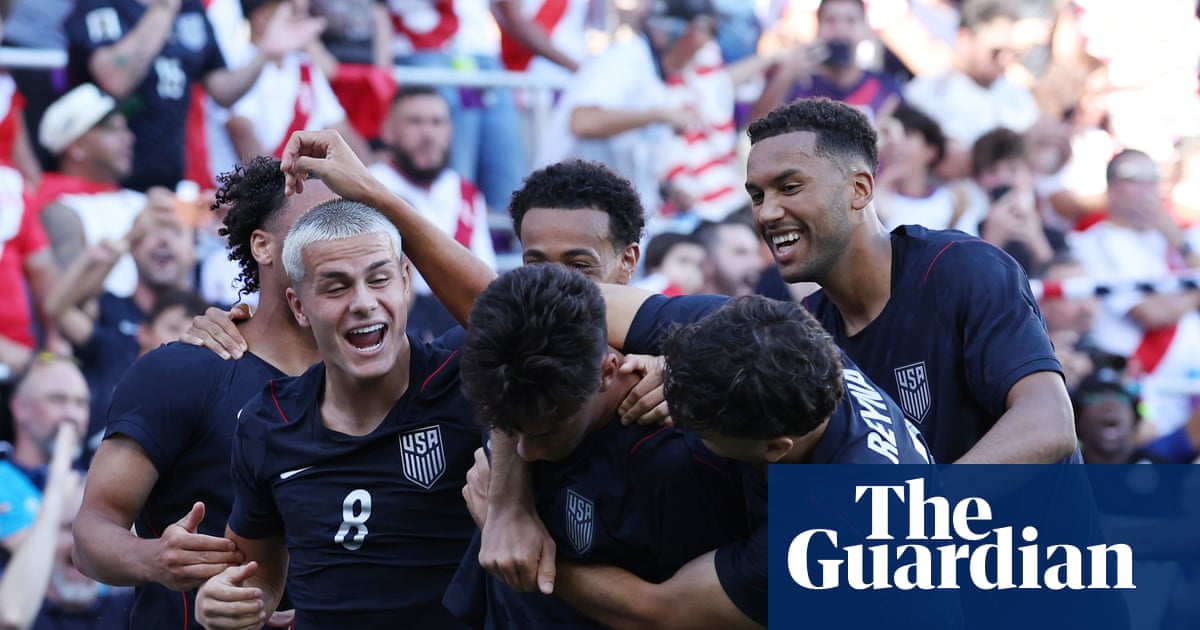
Levi’s Stadium was supposed to be a celebration. The United States had just dismantled Bosnia and Herzegovina, securing a spot in the World Cup Round of 16. Yet the mood in the dressing room was somber.
Folarin Balogun, the engine of the American attack, will not play in Seattle. His performance had been stellar, opening the scoring in the 45th minute with a clever run between Bosnia’s center-backs. Then came the disaster.
In the 64th minute, a loose touch led to a reckless lunge. Balogun caught Tarik Muharemovic on the ankle. Referee Raphael Claus initially let play continue but reversed his decision after reviewing the VAR monitor.
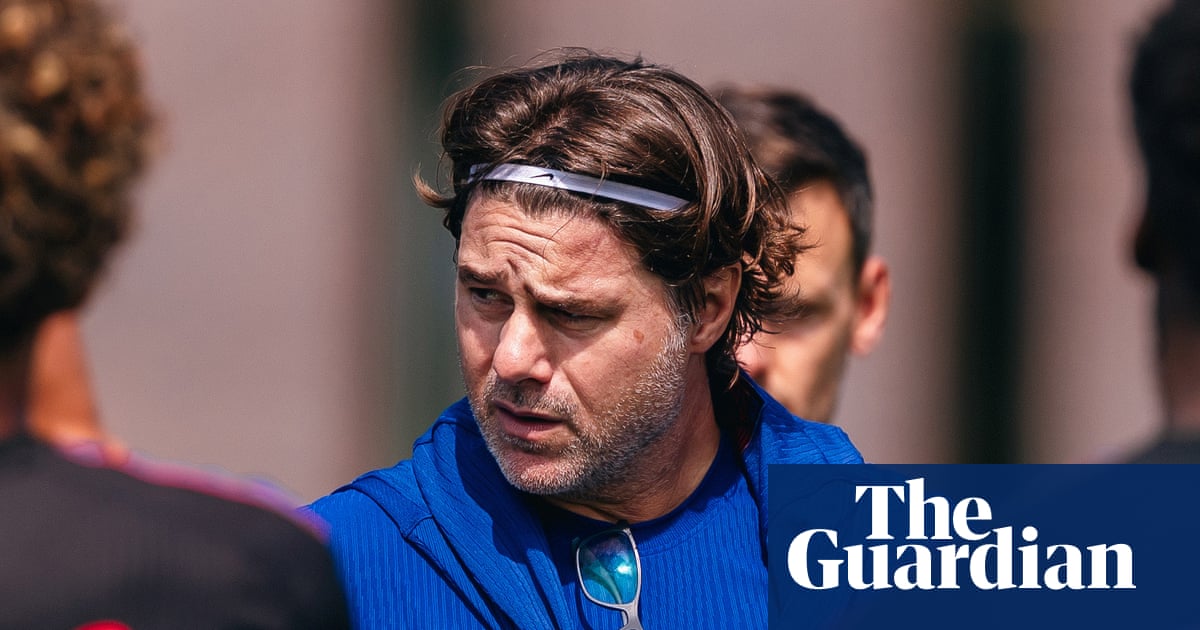
A straight red card was the only possible outcome. The suspension is a devastating blow for Mauricio Pochettino. Balogun is not just a goalscorer.
His off-the-ball movement dictates how the U.S. stretches opposing defenses. Without him, the team loses its primary tactical outlet. The tactical structure will need to be completely rebuilt.
During the group stage, the U.S. averaged 14.2 progressive passes per 90 minutes, with Balogun receiving nearly half of them. His ability to pin center-backs allowed Malik Tillman and Christian Pulisic to operate in the half-spaces. Now, that space will contract.
Bosnia played a deep defensive block that offered zero space behind. Balogun’s movement was key in breaking this block. In the 34th minute, he dragged center-back Dennis Hadzikadunic out of the line, creating space for Pulisic to shoot.
This subtle movement is what makes him irreplaceable. Pochettino's team was built around these specific movements. His absence forces a complete rethink of the attacking plan.
The Tactical Dilemma: Pepi or Wright?
The Direct Replacement
Pochettino has two primary options to lead the line. The first is Ricardo Pepi, the clinical target man who has thrived as a super-sub. Pepi is excellent in the box, but he does not run the channels like Balogun.
He prefers to drop deep and link play, which could clog the midfield. If Pepi starts, the U.S. must change its crossing patterns. Pepi is dominant in the air, winning 62% of his aerial duels this season.
Timothy Weah and Antonee Robinson will need to deliver early, whipped crosses rather than cutbacks. This change will require a shift in the wingers' positioning. It will also reduce the impact of their overlapping runs.
But Pepi lacks the pace to threaten Belgium’s high defensive line. Wout Faes and Zeno Debast are physical but turn slowly. Leaving them untested in space would be a tactical error.
The Physical Outlet
Haji Wright offers a very different profile. He is fast, powerful, and comfortable running into wide channels. Wright’s heat map this tournament shows a heavy bias toward the left channel.
This positioning could overlap with Pulisic. That spacing issue is a major concern for the coaching staff. If Wright starts, he will likely pull to the left, forcing Pulisic inside.
This could create a dangerous overload on Belgium’s right side. However, it also leaves the central channel empty. The U.S. midfield would have to make late runs to exploit that space.
Neither option is a perfect fit. Pochettino must decide between Pepi's penalty-box presence and Wright's transition threat. It is a decision that will define the American performance.
Rudi Garcia's Chaotic Engine
Belgium’s path to Seattle was pure drama. Rudi Garcia’s side looked dead and buried against Senegal, trailing 2-0 after 50 minutes. Habib Diarra and Ismaila Sarr had sliced through the Belgian midfield with ease.
Then, the chaotic nature of this Belgian squad took over. Romelu Lukaku scored in the 86th minute to spark the comeback. Youri Tielemans equalized with a towering header in the 89th minute, forcing extra time.
The match was eventually decided by a penalty in the 125th minute. That penalty sequence revealed a lot about Belgium's internal dynamics. Lukaku was the designated taker but handed the ball to Tielemans.
The striker later admitted he did not feel mentally ready. Tielemans converted, but the incident raises questions about Belgium's composure under pressure. A team with these doubts is beatable.
Tactically, Garcia's Belgium is incredibly disjointed. They struggle to control transitions, conceding 14 shots to Senegal. Their defense is shielded by Amadou Onana, but he was frequently left isolated.
The U.S. can exploit this lack of structure. As discussed on The Guardian's World Cup Daily, Belgium's defense is highly vulnerable when forced to turn. Senegal's press forced Youri Tielemans into three turnovers in his own half.
If the U.S. presses effectively, they will create chances. Pochettino will surely instruct his midfield to target Tielemans. This is where the match will be decided.
The Ghost of Salvador
For American soccer fans, Belgium in the Round of 16 carries historical weight. The 2014 match in Salvador remains a legendary, agonizing memory. Tim Howard made 16 saves that night, a World Cup record.
Despite his efforts, the U.S. still fell 2-1 in extra time. That match was defined by Belgium’s relentless wave of attacks. Hazard, De Bruyne, and Lukaku overran the American midfield.
Today, only Lukaku remains from that squad, but the structural challenge is identical. In 2014, the U.S. was a reactive side, defending for their lives. Under Pochettino, they have tried to build a proactive identity.
This match will test whether that identity is real or just a collection of friendly results. The pressure in Seattle will be immense. The fans will demand a performance that matches the occasion.
The Midfield Battleground
The match will be won or lost in the center circle. Tyler Adams and Yunus Musah must control the tempo. Against Bosnia, the double pivot was highly effective before the red card.
The U.S. controlled 58% of the ball and generated 1.84 xG. But Belgium is a much tougher test than Bosnia. Onana is a physical monster who dominates the ground.
He won 8 of his 10 defensive duels against Senegal. Musah will struggle to carry the ball past him. Pochettino must find a way to isolate Tielemans.
The Belgian captain is brilliant on the ball but slow to recover defensively. If Tillman can find space behind Onana, he can run directly at the Belgian center-backs. That is where the opening lies.
There is also the threat of Jeremy Doku. In a March friendly in Atlanta, Belgium exposed USA's wide spaces, winning 5-2. Doku was unstoppable that night, torturing Joe Scally on the flank.
Scally will need constant help from Musah to survive. If he is left isolated, Belgium will dismantle the right side of the American defense. The tactical setup must account for this threat.
A Definite Prediction for Seattle
Pochettino will likely opt for a conservative approach. Without Balogun, the U.S. cannot match Belgium in a shootout. Expect a mid-block, designed to frustrate Lukaku and Doku.
The U.S. will rely heavily on set pieces and transitions. This match is going to be ugly. Belgium’s defense is too leaky to keep a clean sheet, but their attack is too potent to shut out.
The U.S. will miss Balogun's clinical edge in the final third. Pepi will work hard, but he won't get the service he needs. The lack of depth will eventually show.
The U.S. will fight hard, but Belgium's individual quality will carry them through. Lukaku’s physical dominance will eventually break the American resistance in the second half. Belgium wins this one 2-1 in regulation, ending the American dream in Seattle.
Read Next
- Mauricio Pochettino stands on the edge of USMNT history tonight
- Without Folarin Balogun, the USMNT must reinvent itself to beat Belgium
- Pochettino must solve the Balogun puzzle before USA face Belgium in Seattle
- Why the USA will crash out of the World Cup without Folarin Balogun
- 🏆 World Cup 2026 — Full Coverage Hub
- 🇺🇸 USMNT World Cup 2026 — Team USA Coverage Hub
- 🇧🇪 Belgium World Cup 2026 — Red Devils Hub
- ⚽ MLS 2026 Season Hub — World Cup Year Guide