The Dallas Stand-off
No nation escapes their footballing history without a reckoning. On Friday night at Dallas Stadium, either Australia or Egypt will step into the Round of 16 for the first time in their modern history. It is a collision of contrasting footballing dogmas, shaped by two managers who have rebuilt their squads on the fly.
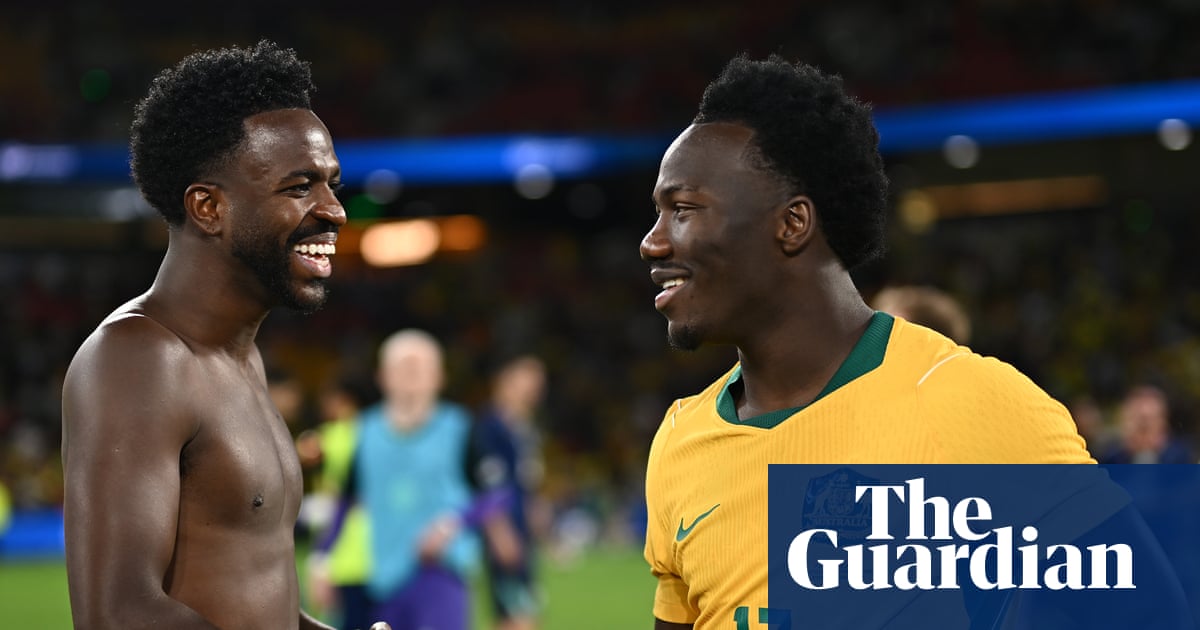
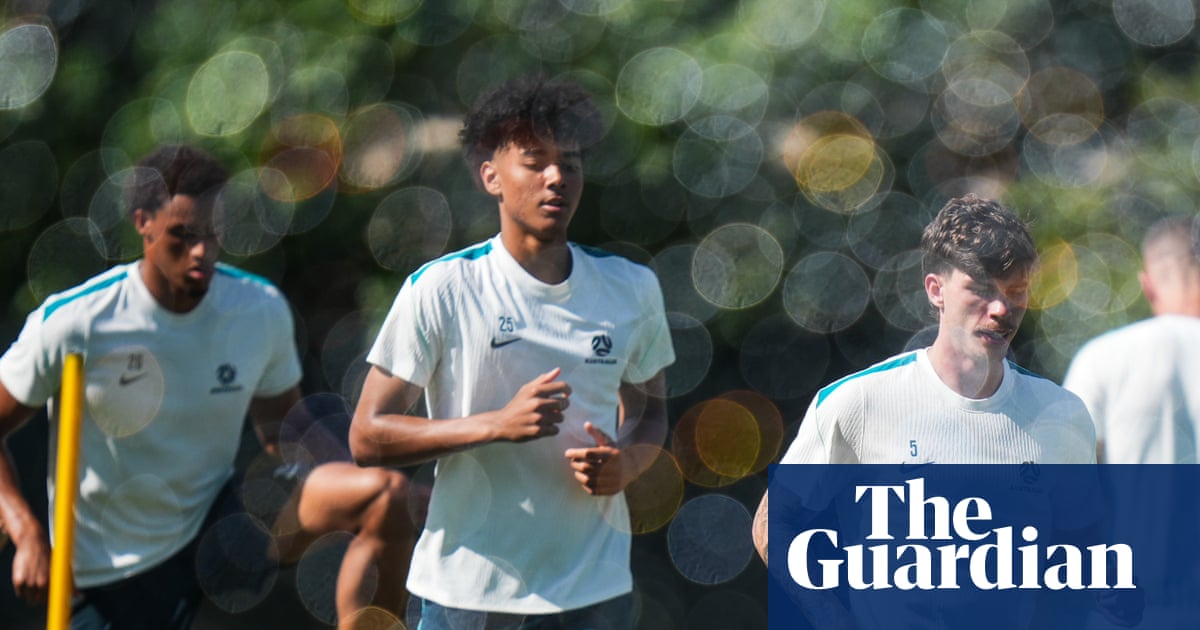
The Socceroos have reached this stage before, but they have never won a knockout match at a World Cup. This time, as The Guardian reported, the path forward is entirely in their own hands. A victory in Texas would rewrite the narrative of Australian men's football.
Egypt face a similar historical barrier. Despite their continental dominance in Africa, the Pharaohs have never won a knockout match on the global stage. Under Hossam Hassan, they navigated Group G unbeaten, but their defensive structural flaws have left them vulnerable to transition attacks.
Egypt's Restructured Transition Threat
Hassan's Egypt is built around vertical directness. In their opening Group G match against Belgium, they sat in a compact mid-block before releasing Mohamed Salah down the right channel. That sequence produced Emam Ashour's opener in the 19th minute, a classic example of Hassan's counter-attacking blueprint.
But the system has a glaring weakness. When Belgium pressed their full-backs high, Egypt's defensive line collapsed, leading to Mohamed Hany's own goal in the 66th minute. Their defensive transitions lack lateral coverage, leaving spaces behind the advancing full-backs.
In their subsequent match, a 3-1 victory over New Zealand, Egypt again showed defensive frailty by conceding a simple header to Finn Surman in the 15th minute. They recovered through goals from Mostafa Zico, Salah, and Trezeguet. Yet, the tactical reliance on Salah's individual brilliance remains heavy.
Salah's hamstring fitness is the central talking point ahead of Dallas. If his explosive burst is limited, Egypt lose their primary outlet. Without Salah stretching the opposition line, the Pharaohs struggle to transition from their low defensive block.
Hassan may have to rely on Trezeguet's isolation runs on the left. In the draw against Iran, Egypt's build-up was sluggish and lacked central progression. If Salah is sidelined or half-fit, Egypt's attacking threat becomes predictable and narrow.
Midfield balance remains another issue for the Pharaohs. Marwan Attia has been excellent at breaking up play, but his distribution under pressure is slow. When opponents press him, Egypt's transition speed drops, forcing long balls to isolated wingers.
Popovic's Defensive Block and the Keeper Gamble
Tony Popovic has built Australia's campaign on defensive discipline. They started Group D with a clinical 2-0 win over Turkey, utilizing a compact 5-4-1 out-of-possession shape. Harry Souttar and Alessandro Circati anchored a backline that restricted Turkey to long-range efforts.
However, the system buckled against the high press of the United States. In the 11th minute of that encounter, Cameron Burgess turned the ball into his own net under intense pressure. Alex Freeman added a second in the 43rd minute as the Socceroos failed to progress the ball past the midfield line.
Australia's build-up from the back has been substandard. Against the USA, their pass completion rate in the defensive third dropped to a dismal 78%. Popovic's insistence on playing short out of pressure nearly cost them a knockout spot.
The final group match, a dry 0-0 draw against Paraguay, confirmed Australia's lack of attacking ideas. They struggled to link Jackson Irvine with the forward line. Popovic's side looked content to defend their box and play for a point.
The biggest talking point of Popovic's tournament is in goal. He dropped veteran captain Mathew Ryan in favor of 23-year-old Patrick Beach. Beach has started all three matches, showing great shot-stopping ability but looking shaky when distributing under pressure.
Starting Beach in a high-stakes knockout match is a massive gamble. The young Melbourne City goalkeeper will face Egypt's elite press. Any mistake in possession will be punished instantly by Hassan's attackers.
Furthermore, Australia's wing-backs have failed to provide width. Jordan Bos and Lewis Miller have been pinned back by opposing wingers, preventing Australia from building sustained attacking possession. This has left the lone striker isolated and starved of service.
Tactical Battlegrounds: Midfield Control and Wingback Duels
The match will be decided in the half-spaces. Egypt will look to isolate Trezeguet against Australia's right wing-back. If Lewis Miller starts, he must balance his attacking runs with the defensive duty of tracking Trezeguet's inward diagonal runs.
In midfield, Jackson Irvine and Connor Metcalfe face a physical battle against Marwan Attia and Emam Ashour. Australia's double pivot must limit the time Egypt's midfielders have on the ball. If Attia is allowed to pick out long vertical passes, Egypt's wingers will run rampant.
Australia will rely on Nestory Irankunda's raw pace on the counter. Egypt's left-back position has looked vulnerable throughout the group stage. If Irankunda can isolate his defender, he can create cutback opportunities for Mitchell Duke or Cristian Volpato.
But Australia must avoid long-ball desperation. When they resorted to direct play against USA, Souttar's long diagonals were easily intercepted. Popovic needs Metcalfe to drop deeper to assist Beach in the build-up phase.
The space between the lines will be tightly contested. Ashour will try to occupy the space behind Irvine and Metcalfe. If Australia's center-backs do not step up to plug that gap, Egypt will dominate the zone just outside the eighteen-yard box.
Australia's defensive organization on set-pieces will also be put to the test. Egypt's aerial threat is significant, especially with Mostafa Mohamed attacking the near post. Popovic's men must maintain focus during defensive transitions and set-piece situations.
A Dallas Prediction
Expect a cautious start from both sides. Popovic will order a deep defensive block, refusing to give Egypt space behind the backline. Hassan will likely instruct his team to dominate possession and probe for openings.
If Salah starts, his gravity will pull Circati out of position. This will open lanes for Mostafa Zico to exploit. Australia's defensive resilience will be tested to its absolute limit.
The tactical flaw in Popovic's build-up will eventually prove fatal. Under pressure from Egypt's front three, Australia's backline will turn the ball over in a dangerous area. Egypt will capitalize on a quick transition to secure a narrow victory.
A 1-0 win for Egypt is the most logical outcome. Hassan's side has the clinical edge that Popovic's men currently lack. Australia will go home wondering what might have been if they had shown more ambition.
This match will not be a classic for the neutral. It will be a battle of attrition, won by the team that makes fewer unforced errors in possession. Egypt's superior individual quality in the final third will ultimately prove the difference in Dallas.
Read Next
- Egypt are about to make a massive injury gamble with Mohamed Salah
- Mohamed Salah is fit but Egypt face a massive World Cup gamble in Dallas
- Portugal and Croatia face a grueling tactical battle in Toronto
- Egypt and Australia's World Cup clash is dividing Sydney
- 🏆 World Cup 2026 — Full Coverage Hub
- 🇪🇬 Egypt World Cup 2026 — Salah's Last Dance
- 🇦🇺 Australia World Cup 2026 — Socceroos Hub