The diverging paths of England's former U-19 strike pair
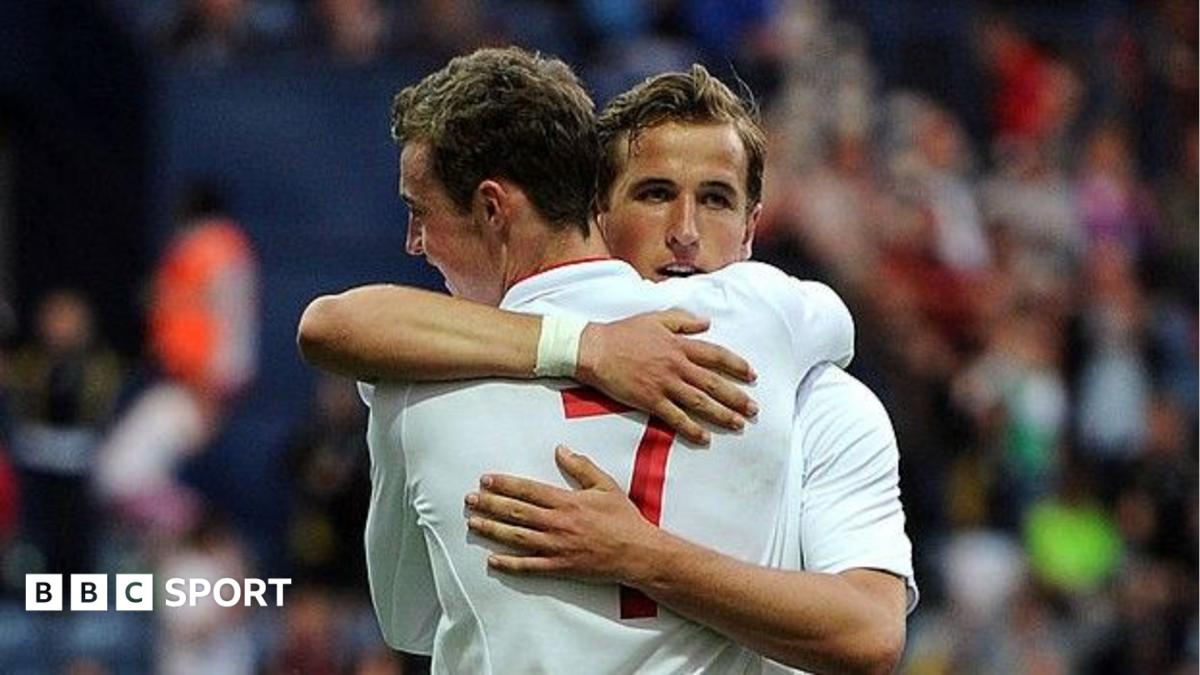
Rewind to the England Under-19 setup, and you would see Will Keane and Harry Kane leading the line together. It was a partnership built on presumed future dominance, yet by July 2026, their professional trajectories have diverged into two separate universes. One is testing European defenses at the highest level, while the other navigates a grittier, more pragmatic reality.
Kane’s evolution since that youth pairing is well documented. He has transitioned from a pure box striker into a creator who consistently hits double-digit assist numbers annually. Conversely, watching Will Keane over the last few seasons reveals a player who has had to adapt his game to suit lower-tier stylistic demands. The gulf in their respective roles highlights the brutal variance inherent in academy scouting projections.
Tactical disparity in current environments
When analyzing Kane, we aren't just looking at shot frequency; we are watching a player who dictates the attacking phase for his side. His movement creates pockets of space for inverted wingers, a trait that makes him the focal point of any high-pressing system. He isn't just poaching goals; he is managing the tempo of the game from the final third.
Keane operates in a secondary layer of football where the tactical demands are simplified by necessity. Physicality and hold-up play become paramount rather than intricate link-up play. While the BBC reported on the stark contrast in their current professional paths, the underlying truth is that these two players exemplify the luck and precision required to sustain elite status for over a decade.
The reality of sustained production
Predicting the late-career arc for players like Keane requires acknowledging the wear and tear of a lower-tier schedule. He has had to be more durable in environments where referees grant fewer protections and marking is often more physical. Kane, meanwhile, occupies a sphere where tactical efficiency is protected by structural supremacy.
Looking at the 2026 outlook, the gap between their statistical output is going to widen further. Kane will likely maintain a higher xG contribution simply because of the quality of service he receives. Keane will continue to grind out results, but his ceiling has been clearly defined by his recent club choices.
The final diagnosis
I predict that Kane will finish this calendar year with at least a 0.85 goal-contribution rate per 90 minutes. Keane, while impactful in his specific bracket, will struggle to clear a 0.40 contribution rate in his respective competition. This isn't a slight on ability, but a tactical recognition of the environments they inhabit. Elite success is rarely linear, but these two players have moved into such distinct categories that they no longer belong in the same analytical conversation.
Read Next
- Why Yves Bissouma is the missing piece for Marco Silva's Fulham
- William Saliba just turned the Arsenal title charge into a disaster movie
- Michael Carrick’s radical midfield overhaul at Old Trafford is a massive gamble
- William Saliba injury ruins Arsenal title plans
- 🏴 England World Cup 2026 — Three Lions Hub