The insider knowledge dilemma
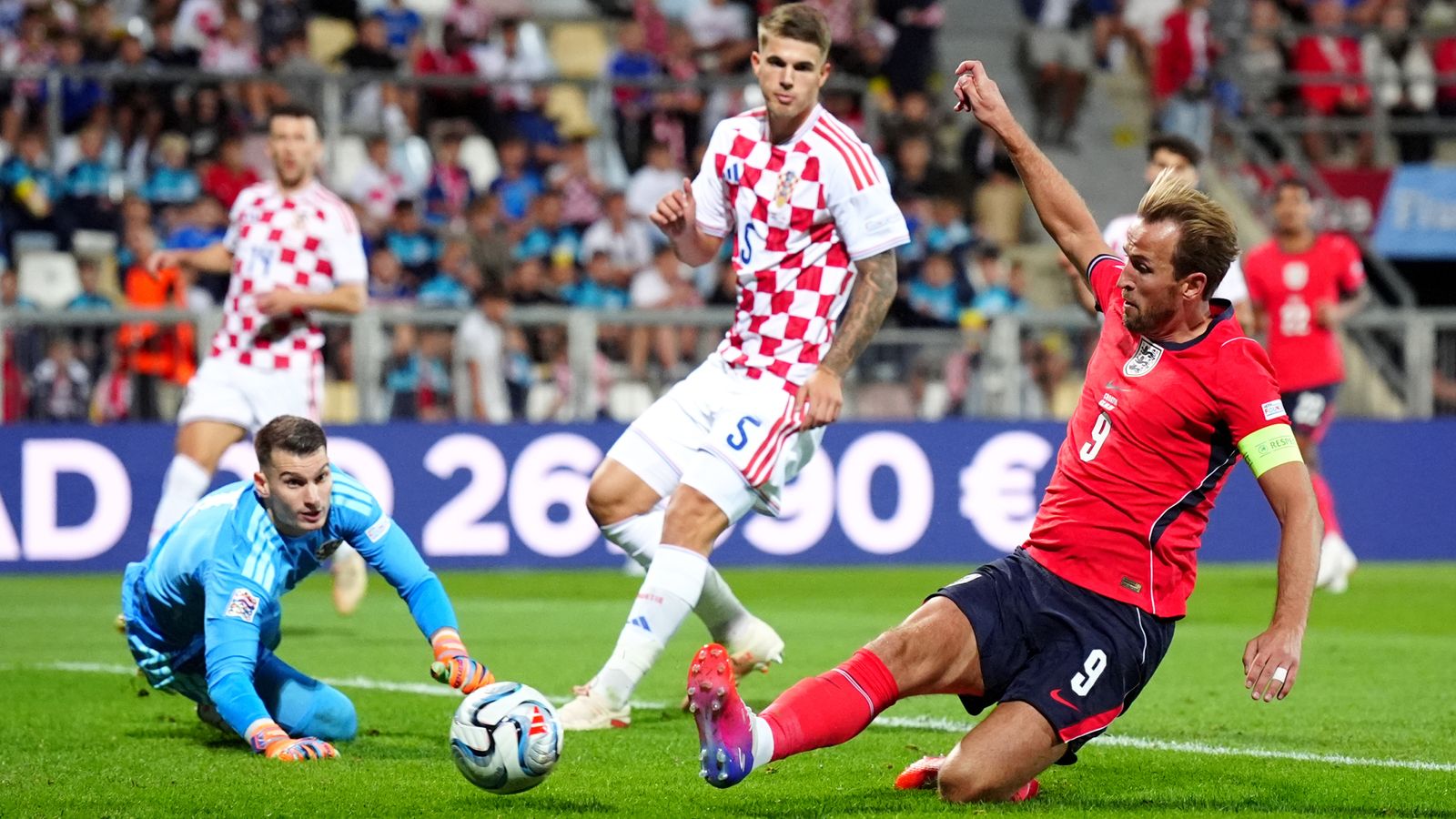
England faces a distinct defensive headache on July 11, 2026. The squad is littered with players who spend ten months a year training alongside Erling Haaland at Manchester City. While familiarity usually breeds defensive security, the consensus among analysts is that this internal knowledge has reached a plateau of counter-productivity.
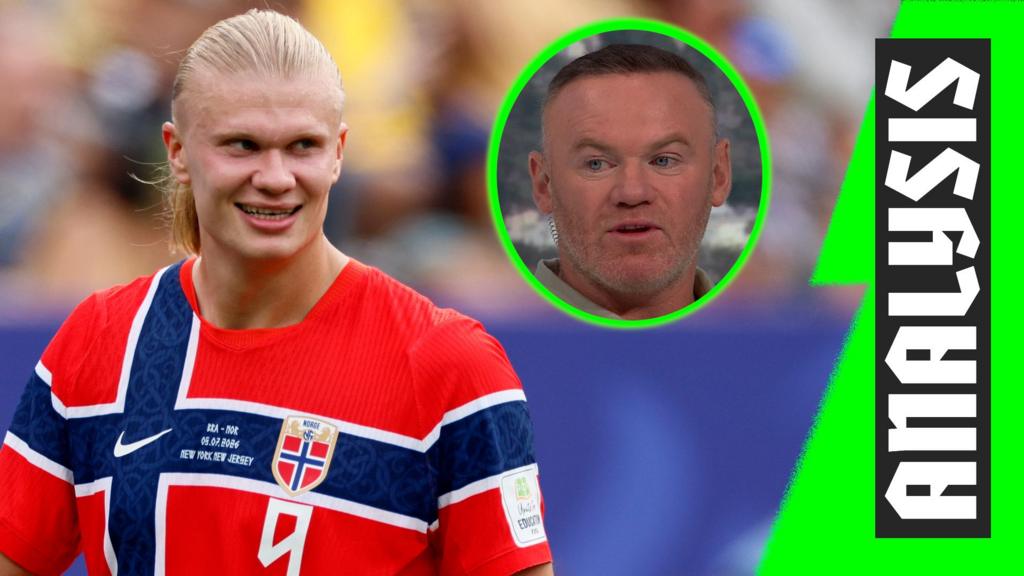
Micah Richards, Wayne Rooney, and Cesar Azpilicueta noted during their recent BBC Sport breakdown that Haaland holds the psychological and tactical edge. Defenders who know his triggers often overcommit because they try to anticipate him, only for him to adjust his movement by a fraction of a yard. That split-second hesitation is where games are won.
The City connection
Training against a teammate is entirely different from facing them under international pressure. At a club level, training sessions are regulated to avoid serious injury and maintain intensity for the wider fixture list. Haaland typically gets more grace in restricted drills than he will receive in a quarter-final environment.
The defensive line knows his reliance on high-frequency sprints into the channels. However, there is a recurring flaw in the England setup: they struggle to collapse the space behind the fullbacks. If John Stones and Kyle Walker spend the match trying to second-guess their regular colleague, they risk pulling the defensive structure out of sync.
Tactical rigidity vs individual brilliance
There is a risk that Gareth Southgate’s men play too respectfully. Watching England in previous tournament bottlenecks, the tendency to retreat into a mid-block whenever a world-class striker is active is glaring. Against Norway, this is tactical suicide.
Haaland’s movement does not require complex creative buildup. If England forces the game into a midfield scrap, he will wait for one clearance or one misplaced pass to punish them. The irony here is that the City players are the ones most likely to be caught out by his off-the-ball lateral movement inside the box.
Prediction: The breakdown
England will try to dominate possession, but Norway’s transition play remains lethal. I expect the game to hinge on one specific defensive rotation error by the City contingent in the backline. Haaland is going to find space in the 64th minute to break the deadlock.
The reality is that Norway has less to lose, and that frees them up for higher variance outcomes. England is burdened by the expectation of being the superior technical side, which usually leads to a sluggish first half. My call is a 2-1 victory for Norway. The internal knowledge curse is real, and the City defenders will be left wondering why they couldn't just stick to the basic defensive geometry.
Read Next
- England vs Norway is breaking the internet and the subreddits are split
- England vs. Norway is a psychological warfare masterclass
- Haaland turns heat on England ahead of World Cup knockout clash
- England vs Norway is an uncomfortable tactical headache for the Lionesses
- 🏴 England World Cup 2026 — Three Lions Hub
- 🇳🇴 Norway World Cup 2026 — Can Haaland Lead the Vikings?