The long-term cost of the modern game
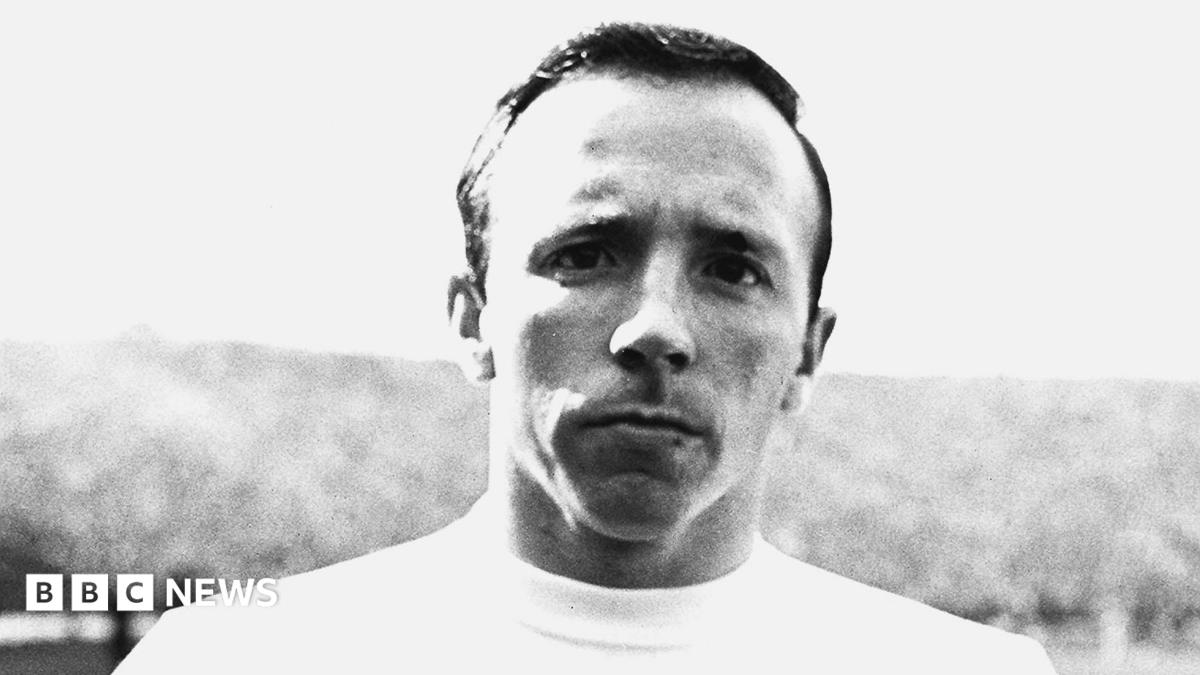
John Stiles has issued a necessary, blunt warning regarding the long-term cognitive health of professional footballers. Following the recent inquest into the death of his father, the legendary Nobby Stiles, the reality of brain disease caused by repetitive heading is no longer a fringe medical theory. It is a statistical certainty impacting the sport at every level.
Stiles identifies the women's game as a specific area of concern for future health outcomes. While men's football has spent years debating clinical protocols, the rapid professionalization and physical intensification of women's football lack the historical data to fully map the damage. We are observing the early stages of an epidemic while governing bodies remain trapped in procedural loops.
The medical evidence vs. the status quo
The correlation between repeated sub-concussive impacts and degenerative brain disease is well-documented in autopsy data from former pros. Yet, match-day protocols frequently fail to adjust for the physics of the game. A standard size-five ball moving at velocity exerts significant force on the cranial structure, a factor that rarely changes despite the athlete's anatomical profile.
Former players have long noted the toll of training sessions. When you calculate the frequency of headers in a standard 90-minute fixture, the cumulative micro-trauma becomes undeniable. The governing bodies seem content to perform occasional observational studies rather than restricting the primary activity causing the injury. This represents a failure of duty that will manifest in the next generation of retirees.
Strategic negligence
Competition organizers focus on immediate concussion diagnostics, such as sideline assessment tools. These measures, while better than nothing, fail to address the cumulative nature of the injury. Monitoring a player after one collision ignores the thousands of headers taken during a career. True mitigation requires structural changes to training load and, potentially, the implementation of more protective headgear during practice sessions.
Refusing to limit headers in training sessions for all professionals is a dereliction of duty. If the sport continues to view repetitive head impact as an immutable feature of the game, it faces a tidal wave of litigation and preventable disability. Proactive rule changes, even those that alter the aesthetics of play, must become the priority over maintaining an outdated traditional standard.
The path forward for the FA and beyond
The recent inquest findings serve as a grim roadmap for what lies ahead if current practices persist. We are approaching a moment where the physical price of a professional career will be deemed ethically unacceptable by both the public and clinical professionals. The sport has the resources to investigate safer ball materials and modified training, yet the progress has been glacial.
The financial cost of litigation in the coming decade will likely dwarf the investment required to update safety protocols today. Professional clubs and national associations are operating under the dangerous assumption that the status quo is legally defensible. History suggests otherwise; once the medical literature becomes irrefutable, the leagues will have no defense for their inertia.
The shift needs to be immediate. If professional clubs refuse to implement strict caps on heading drills, they are effectively betting on the neurological longevity of their own employees. That is an investment strategy that ends in a total loss for the athlete. It is time to treat the brain with the same protective urgency as an ACL or a metatarsal fracture.