Remember when football matches ended and the manager disappeared down the dark tunnel into complete mystery? That sacred walk protected the only space in modern professional sports where grown men could scream, throw teacups, and air out their dirty laundry without a billion people watching. Now, television executives have convinced boardrooms that every tactical meltdown needs a boom mic hovering over it.
It is garbage. Pure, unadulterated reality television dressed up as sporting journalism. We traded the romance of mystery for awkward camera angles of despondent left-backs chewing on protein bars.
The streaming giants pitched these series as unprecedented access into high-performance psychology. What they actually delivered was an unscripted sitcom where the head coach always ends up looking like the butt of the joke.
Behind the polished promotional trailers lies a brutal reality that nobody in the marketing department wants to talk about. These productions routinely show zero respect to the managers tasked with winning football matches.
A football dressing room operates on fragile chemistry and total honesty. Introduce four sound engineers and a remote-controlled ceiling camera, and that honesty vanishes before the opening whistle blows.
Players stop listening to tactical adjustments and start worrying about their social media image. The manager is suddenly trapped between saving his job on Saturday and feeding content to a production company on Monday.
Pep Guardiola and the art of camera theater
Only one man ever truly beat the system, and his name is Pep Guardiola. When Manchester City signed up to document their run to 100 points in 2018, Pep realized what was happening long before anyone else did.
He did not fight the intrusive lenses outside his office. He turned the entire building into an elaborate stage where he played the lead actor with furious conviction.
Every team talk became a theatrical monologue delivered with wild hand gestures and perfectly timed pregnant pauses. When he ranted about his players performing better when they hated him, he was not just venting frustration. He was staging a show for an audience of millions while keeping his actual secrets tucked away in his back pocket.
City banked a reported £10 million fee for that series and maintained an iron grip over the final edit. Every clip that hit your screen had been scrubbed clean of anything that might genuinely compromise their competitive advantage.
Pep treated the production crew like an opposing fullback. He studied their movements, controlled their space, and exploited their presence to build his own personal mythology.
Most managers do not possess the political capital or the sheer ego required to pull off that trick. When normal managers open their doors, they do not look like tactical visionaries commanding an empire. They look like middle managers drowning in admin while a bored camera crew films them drinking bad instant coffee.
Think back to the absolute tragedy of Sunderland plunging into the third tier while their chief executive test-drove cryotherapy tanks on camera. That was not insight; that was a public autopsy conducted for cheap entertainment.

The total breakdown of dressing room authority
The real damage happens when the cameras begin chipping away at a manager's authority. Football squads are volatile packs of wealthy young millionaires with delicate egos and powerful representatives whispering in their ears.
To command a dressing room, a manager must be able to eviscerate a lazy center-back without that confrontation leaking outside the room. The moment you introduce an external lens, every critique carries the threat of public humiliation.
Here is what television producers actively search for during filming:
- The heated halftime shouting match after conceding a soft set-piece.
- The sullen backup player sulking in the training ground canteen.
- The grim board meeting where directors openly question the manager's tactical setup.
None of those scenes help a team collect three points on a wet afternoon in Stoke. They exist entirely to drive social media algorithms and produce ten-second soundbites for casual viewers who barely watch ninety minutes of live football.
Players recognize this dynamic faster than the coaches do. When an ambitious winger gets substituted at the hour mark, he knows walking past the manager with a sneer will guarantee him the opening scene of episode four.
The manager is stripped of his dignity in real time. He cannot react naturally because any emotional outburst will be scored with ominous synth music and broadcast to a global subscriber base.
We saw this exact tension destroy the mood at Tottenham Hotspur during their own documentary experiment. The cameras did not capture tactical evolution; they captured a weary, exhausted coaching staff heading straight for the chopping block.
Carrington gates and the Argentine roadblock
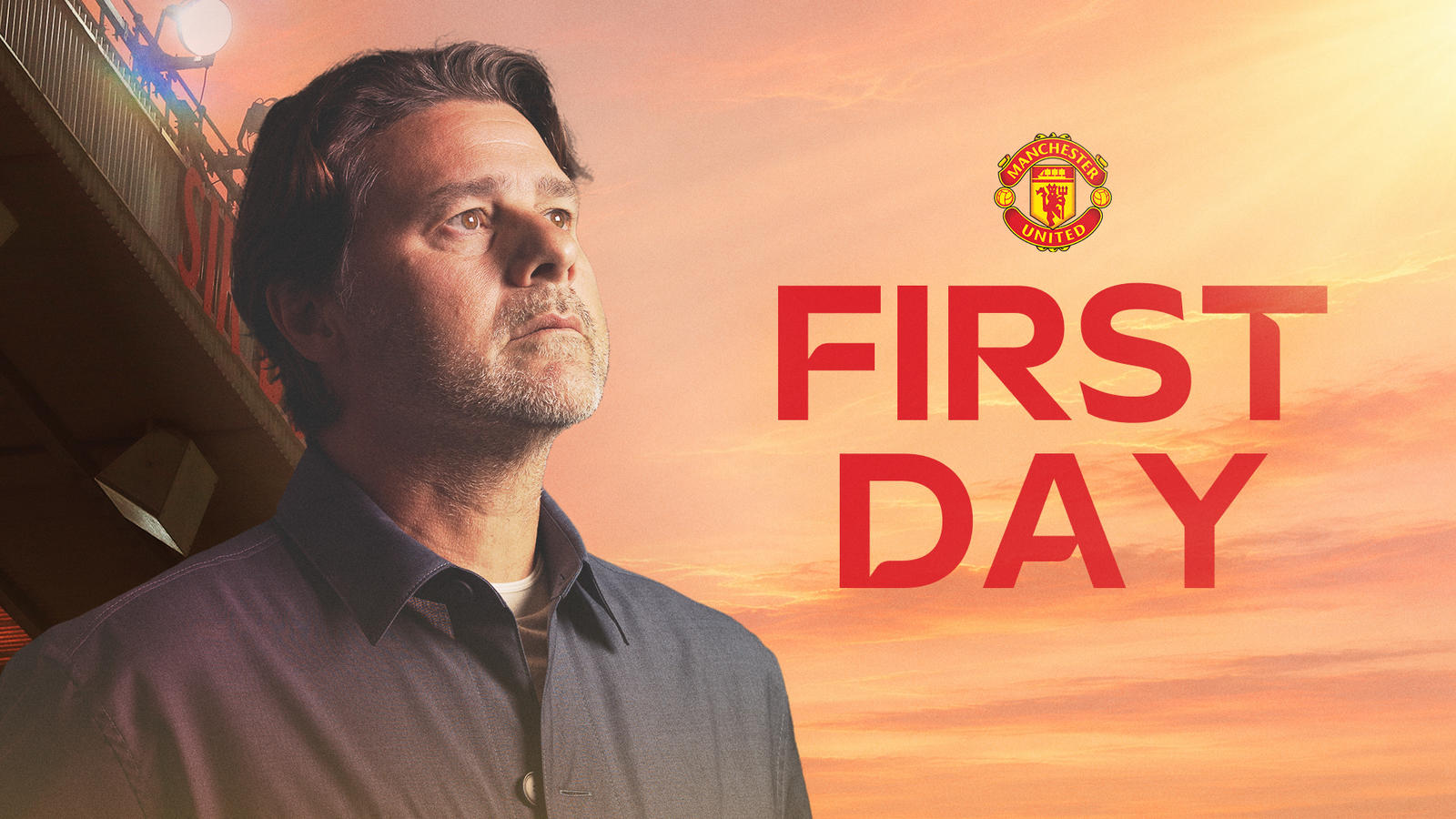
Television executives have drooled over the prospect of embedding their equipment inside Carrington for years. Manchester United's sprawling training complex represents the holy grail for streaming producers who feast on drama and crisis.
Every season brings a fresh cycle of leaking dressing rooms, disgruntled veterans, and executive panic. Filming inside that building after a disastrous 3-0 defeat would shatter streaming records across the globe.
It would also guarantee the immediate destruction of whatever poor soul was sitting in the managerial hot seat. Trying to rebuild a footballing powerhouse while documentary crews stalk the corridors is like trying to defuse a bomb while someone live-streams your trembling fingers.
Enter Mauricio Pochettino. If there is one manager in world football whose entire philosophy screams against media circuses, it is the Argentine disciplinarian.
Pochettino views the training ground as an inviolable sanctuary. His methods require total psychological buy-in, grueling physical conditioning, and an atmosphere of fierce internal loyalty that shuts out outside noise.
When Amazon invaded Tottenham, Pochettino looked like a man being held hostage in his own office. He detested the intrusion, resisted the filming schedules, and was sacked before the leaves had even fallen off the North London trees.
Placing a character like Pochettino anywhere near an active documentary crew at Carrington is a recipe for outright rebellion. He would padlock the front gates, banish the boom microphones to the car park, and treat every producer like an undercover scout from a rival club.
Reclaiming the lost fortress
We need to ask ourselves what we actually want from this sport. Do we want tactical excellence, or do we want cheap reality television where coaches are humiliated for twenty-nine minutes an episode?
The greatest locker-room speeches in sporting history carry weight precisely because no microphone was there to capture them. They live in folklore, passed down through player memories and barroom arguments.
Once you turn those moments into packaged digital content, you destroy their soul. You reduce raw human competition to background noise for people folding laundry on a Sunday afternoon.
Managers face an impossible job as it stands. They juggle billionaire owners, capricious dressing rooms, demanding supporters, and relentless media scrutiny across 24 hours of nonstop digital noise.
Stripping away their final refuge inside the dressing room is not journalism. It is a predatory cash grab that degrades the profession and turns serious tacticians into punchlines.
It is time for clubs to grow a spine and lock the doors. Kick the film crews out of the training grounds, send the boom mics back to reality television sets, and give managers back the privacy they need to do their jobs.