Few dates in football carry the strange, magnetic pull of November 19. It is an electric intersection on the calendar where individual genius collided head-on with national destiny across six different decades.
From rain-slicked penalty boxes in Rio de Janeiro to freezing playoff arenas in Scandinavia, this day has repeatedly forced the game to reckon with its own limits. Icons did not merely perform here; they altered the trajectory of clubs and countries in ninety frantic minutes.
Milestones and Masterclasses
1969: Pelé Scores Goal Number 1,000 at the Maracanã
Over sixty-five thousand spectators crammed into the Maracanã expecting coronation, and Santos delivered theater. Santos met Vasco da Gama in the Torneio Roberto Gomes Pedrosa, with every radio transmitter in Brazil locked onto Pelé's pursuit of his thousandth career goal.
In truth, the milestone arrived on a generous whistle. Vasco defender Renê clipped Pelé inside the box in the 78th minute, awarding a penalty that visiting defenders furiously branded as theatrical nonsense.
Pelé ignored the fury, stuttered on his run-up, and rolled the ball into the bottom corner past Argentine goalkeeper Edgardo Andrada. Flashbulbs ignited instantly. Hundreds of photographers and supporters invaded the pitch, hoisted the Brazilian icon onto their shoulders, and forced a twenty-minute delay while Pelé wept into the match ball.
Cynics rightfully questioned Santos's padded exhibition tallies against regional military sides and touring amateurs. Yet the symbolic power of O Milésimo stood untouched. It solidified his aura ahead of Mexico 1970.
1995: Seventeen-Year-Old Gianluigi Buffon Blindsides AC Milan
Parma manager Nevio Scala rolled the dice on a damp Sunday afternoon at the Stadio Ennio Tardini. Regular goalkeeper Luca Bucci had suffered an injury in midweek training, prompting Scala to overlook seasoned backups and start seventeen-year-old Gianluigi Buffon.
The assignment was terrifying. Fabio Capello's AC Milan arrived at the Tardini boasting Roberto Baggio, Marco Simone, and newly crowned Ballon d'Or winner George Weah.
Buffon played without fear. He charged off his line to smother Weah in a one-on-one, tipped a curling Baggio drive past the post, and commanded his penalty box with the swagger of a seasoned sweeper-keeper in a gritty 0-0 stalemate.
Capello stood near the tunnel afterward, visibly stunned by the teenager's audacity. This was far more than an encouraging audition. It marked the arrival of the finest Italian goalkeeper of the modern era, fully formed before he possessed a driver's license.
2005: Ronaldinho Silences the Santiago Bernabéu
Hostile Madrid supporters do not applaud Barcelona players. That privilege had belonged exclusively to Diego Maradona in 1983, until Ronaldinho dismantled Vanderlei Luxemburgo's side on a frigid Saturday night in Madrid.
Barcelona arrived sharp and ruthless, opening the scoring through Samuel Eto'o before Ronaldinho turned the Clásico into personal street theater. Ten minutes into the second half, the Brazilian picked up the ball in his own half, accelerated past Sergio Ramos, left Iván Helguera lunging at shadows, and beat Iker Casillas at his near post.
Eighteen minutes later, he did it again. Ramos was turned inside out a second time as Ronaldinho glided into the penalty area and slipped a curling strike across Casillas to seal a 3-0 rout.
Then came the stunning response: elderly Madridistas in overcoats rose from their seats, set aside their white handkerchiefs, and applauded the visiting genius. The gesture laid bare the vanity of the Florentino Pérez era, exposing an unbalanced squad of aging superstars who refused to track back or defend.

High Stakes and Defining Clashes
1989: Caligiuri’s Volley Ends America’s 40-Year World Cup Exile
The United States Men’s National Team stepped onto the pitch in Port of Spain knowing only a win against Trinidad and Tobago would send them to Italia '90. The Americans had not qualified for a World Cup finals since 1950, when Joe Gaetjens shocked England in Belo Horizonte.
The island was locked in red carnival fever, with thirty thousand fans packing the stadium to see the Strike Squad secure the single point they required. Instead, UCLA student Paul Caligiuri rewrote American sports history in the 30th minute.
Caligiuri collected a square pass from Tab Ramos, cut inside an oncoming defender, and launched a looping left-foot shot from thirty yards out. The ball caught a gust of wind, dipped over goalkeeper Michael Maurice, and nestled into the far corner for a famous 1-0 triumph.
The goal rescued soccer in North America. Had the United States fallen short, FIFA reportedly prepared to strip the country of its 1994 hosting duties, a catastrophic blow that would have killed Major League Soccer before its launch.
2008: Diego Maradona Begins His Managerial Reign in Glasgow
Twenty-nine years after scoring his first international goal at Hampden Park as an eighteen-year-old phenom, Diego Maradona returned to Glasgow in a vastly different role. On a bleak Scottish evening, he took charge of Argentina for his first match as national team manager.
The circus surrounding the appointment was chaotic. Critics questioned whether a figure of such volatile personal history and zero tactical pedigree could manage a dressing room containing Javier Mascherano, Carlos Tevez, and a rising Lionel Messi.
Argentina earned a functional 1-0 victory through an early strike from Maxi Rodríguez, sending Maradona sprinting down the touchline in an oversized tracksuit to celebrate with his staff. The performance masked glaring tactical defects that would later unravel in South Africa, but for ninety minutes, nostalgia reigned supreme.
The match proved that football romance often defies reason. Maradona could not organize a cohesive defense, yet his presence alone captivated a stadium that revered him decades after his prime.
2013: Ronaldo and Ibrahimovic Duel in Solna
World Cup qualifying playoffs usually produce cautious, nerve-shredding grinds. The second leg between Sweden and Portugal at the Friends Arena in Solna morphed into an operatic shootout between two generational titans.
Portugal led 1-0 from the opening leg, and Cristiano Ronaldo struck first on a devastating counterattack early in the second half. Zlatan Ibrahimovic answered like a heavyweight prizefighter, heading home an equalizer before drilling a thunderous free kick through the wall to level the aggregate score.
For four frantic minutes, Sweden smelled blood. Then Ronaldo dismantled their backline with clinical perfection.
Ronaldo latched onto through balls from Hugo Almeida and João Moutinho, finishing with ruthless precision on his left and right foot to complete a twenty-nine minute hat-trick. Sweden were eliminated, leaving Ibrahimovic to stand near the center circle offering slow, rueful applause to his conqueror.
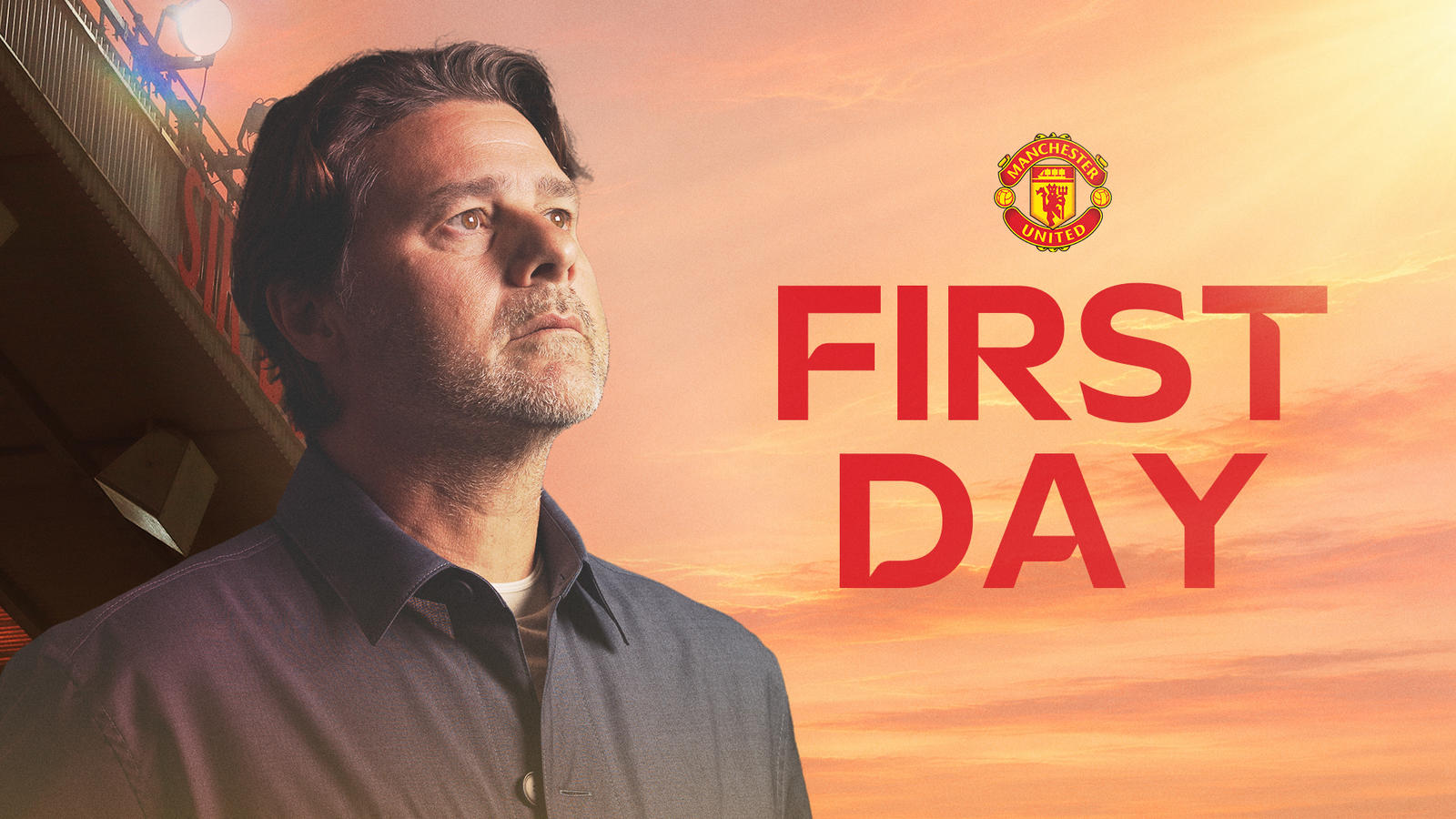
2019: Tottenham Sacks Mauricio Pochettino Five Months After Madrid
Modern boardrooms rarely trade in patience, but Daniel Levy's Tuesday evening dismissal of Mauricio Pochettino sent shockwaves through English football. Just 171 days prior, Pochettino stood on the touchline in Madrid for the Champions League final, having dragged a threadbare squad to the pinnacle of club competition.
By November, Spurs had plummeted to fourteenth in the Premier League. The squad looked spent, weighed down by tactical stagnation and the lingering hangover of a squad that had gone months without an away victory.
The collapse was largely self-inflicted by the hierarchy. Levy had famously subjected his manager to two consecutive transfer windows without signing a single senior player, starving an intense pressing system of necessary reinforcements before scrambling for panicked fixes.
Levy appointed José Mourinho less than twelve hours later, beginning a cynical pursuit of trophies that dismantled five years of organic cultural progress. It stands as a stark lesson in how quickly ambition curds when boardroom frugality overrides sporting common sense.
Echoes Across the Eras
Looking across the span of November 19, one constant emerges: football history rarely follows clean scripts. The game loves neat statistical milestones and romantic fairy tales, but the reality on the grass is far messier.
Pelé's thousandth goal hinged on a soft penalty whistle in Rio. Caligiuri’s historic strike was a mis-hit looping prayer that caught a breeze. Pochettino’s sudden downfall was written in budget spreadsheets long before results cratered.
That friction between myth and reality is precisely what gives the date its enduring charm. When the pressure peaks, greatness is defined by those who seize the unscripted chaos and make it their own.