The Red Card Saga
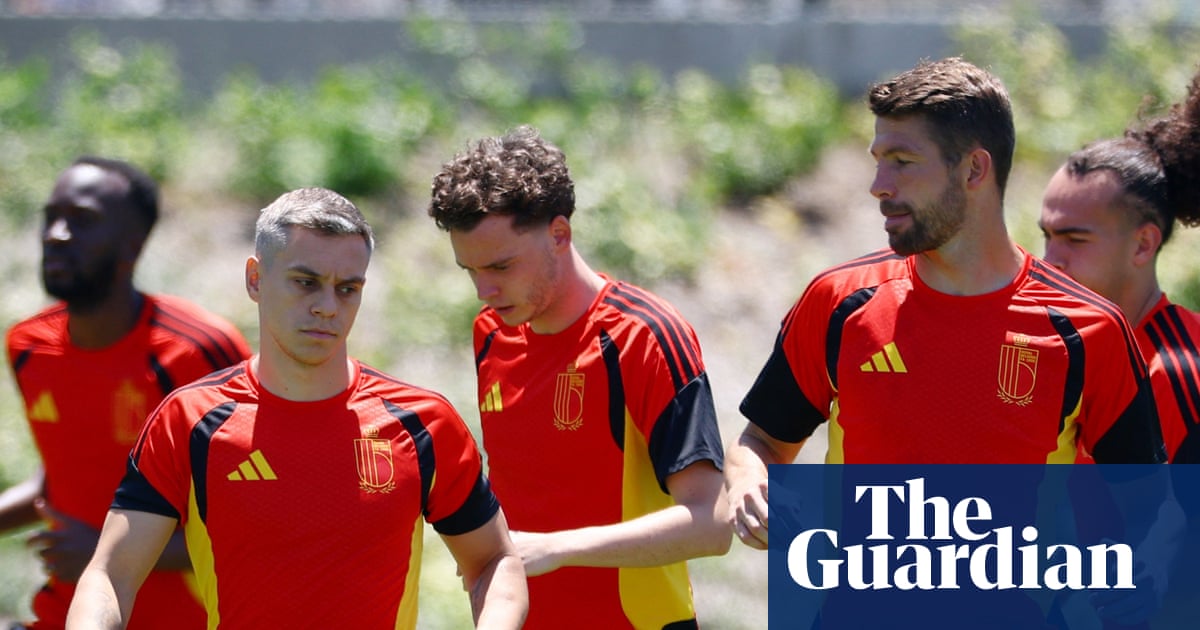
Belgium enters their World Cup quarter-final against Spain with an atmosphere defined by administrative chaos rather than tactical preparation. The status of Folarin Balogun, who received a red card in the previous round, has turned into an international incident.
As The Guardian reported, the situation escalated when Donald Trump publicly lobbied FIFA to overturn the dismissal. The petition to allow Balogun to feature against Spain has created a distraction that manager Rudi Garcia is attempting to spin as a rallying cry.
The Tactical Void
If the suspension holds, Belgium faces the tactical reality of replacing their primary attacking outlet against a high-pressing Spanish side. The decision to pursue an overturn suggests that the technical staff does not have a reliable 1-for-1 replacement currently in the squad.
This reliance on a penalized player indicates a fundamental weakness in the squad's depth. Relying on political maneuverings to resolve a disciplinary issue creates an uncomfortable precedent for FIFA referees overseeing the remainder of the tournament.
Spain's Strategic Opportunity
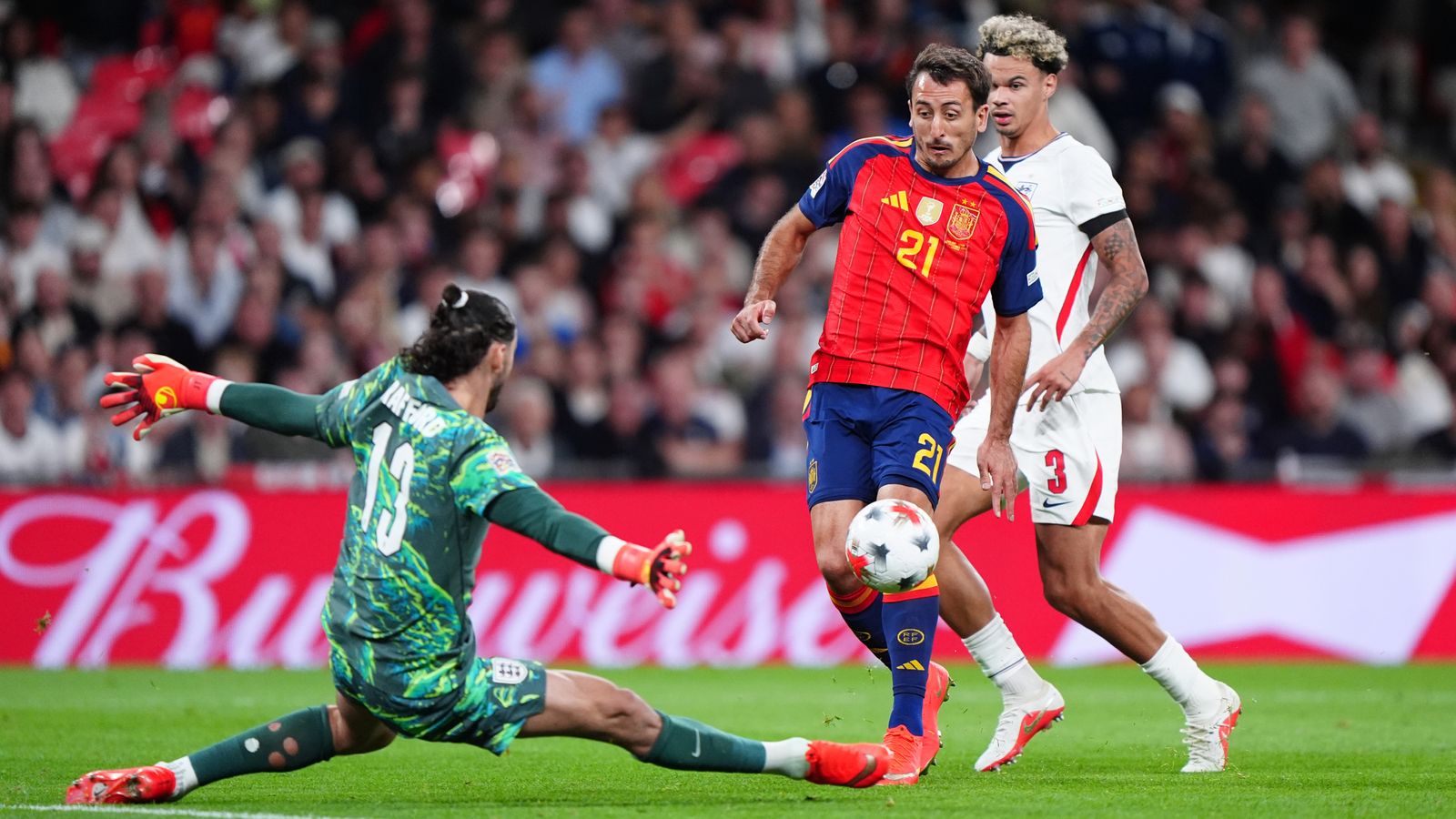
While Belgium looks toward FIFA's decision-making offices, Spain is preparing for a tactical masterclass. Lamine Yamal is positioned to take full advantage of the internal turmoil currently occupying the Belgian camp.
As analyzed by FourFourTwo, this match represents the defining moment for Yamal to break out on the global stage. If the Belgian defensive structure is rattled by the uncertainty surrounding their lineup, the teenager's pace could exploit the gaps left by the tactical shuffle.
Historical Precedents
Tournament history is littered with teams that lost focus due to external administrative battles. In 2002, several nations faced internal friction regarding roster eligibility, often resulting in lackluster on-field performances.
The current situation carries a high degree of risk for Rudi Garcia. By embracing the "us against them" narrative, he is burning significant social capital with match officials. If the refereeing performance against Spain feels restrictive, the Belgian squad will likely view it as proof of a broader conspiracy rather than the natural flow of a match.
The Refereeing Factor
With tournament officials confirmed for the quarter-final, the pressure on the officiating crew has reached a breaking point. Any card issued to a Belgium player in this match will be scrutinized under a microscope by both fans and international political observers.
The decision to hold this match under such conditions raises questions about the integrity of the selection process. FIFA's role is to ensure neutrality, but the open lobbying regarding the Balogun incident makes neutrality nearly impossible to prove to the losing side.
Clinical Assessment
From a fitness and disciplinary outlook, this is not an injury, but it functions exactly like one. The squad cannot plan for variable availability. This uncertainty is an anchor on high-level performance metrics, as the team cannot rehearse set pieces or defensive transitions.
Regardless of whether FIFA grants the amnesty, Belgium enters this quarter-final on the back foot. Their inability to accept the initial red card as a standard cost of competition is a clear indicator of a team seeking excuses before the whistle has even blown for the opening kickoff.
If they win, they claim it is a triumph over systemic bias. If they lose, the excuse is already prepared. This is a losing position for any elite side at this stage of the competition.
Read Next
- Spain and Belgium prepare for a high-stakes tactical war in Los Angeles
- Belgium's luck runs out against Spain's brick wall tonight
- England fans are losing their minds over Jarell Quansah's World Cup ban
- Why the England-Norway clash is a tactical nightmare for Thomas Tuchel
- 🏆 World Cup 2026 — Full Coverage Hub
- 🇪🇸 Spain World Cup 2026 — La Roja Hub
- 🇧🇪 Belgium World Cup 2026 — Red Devils Hub