The Economics of Pure Destruction
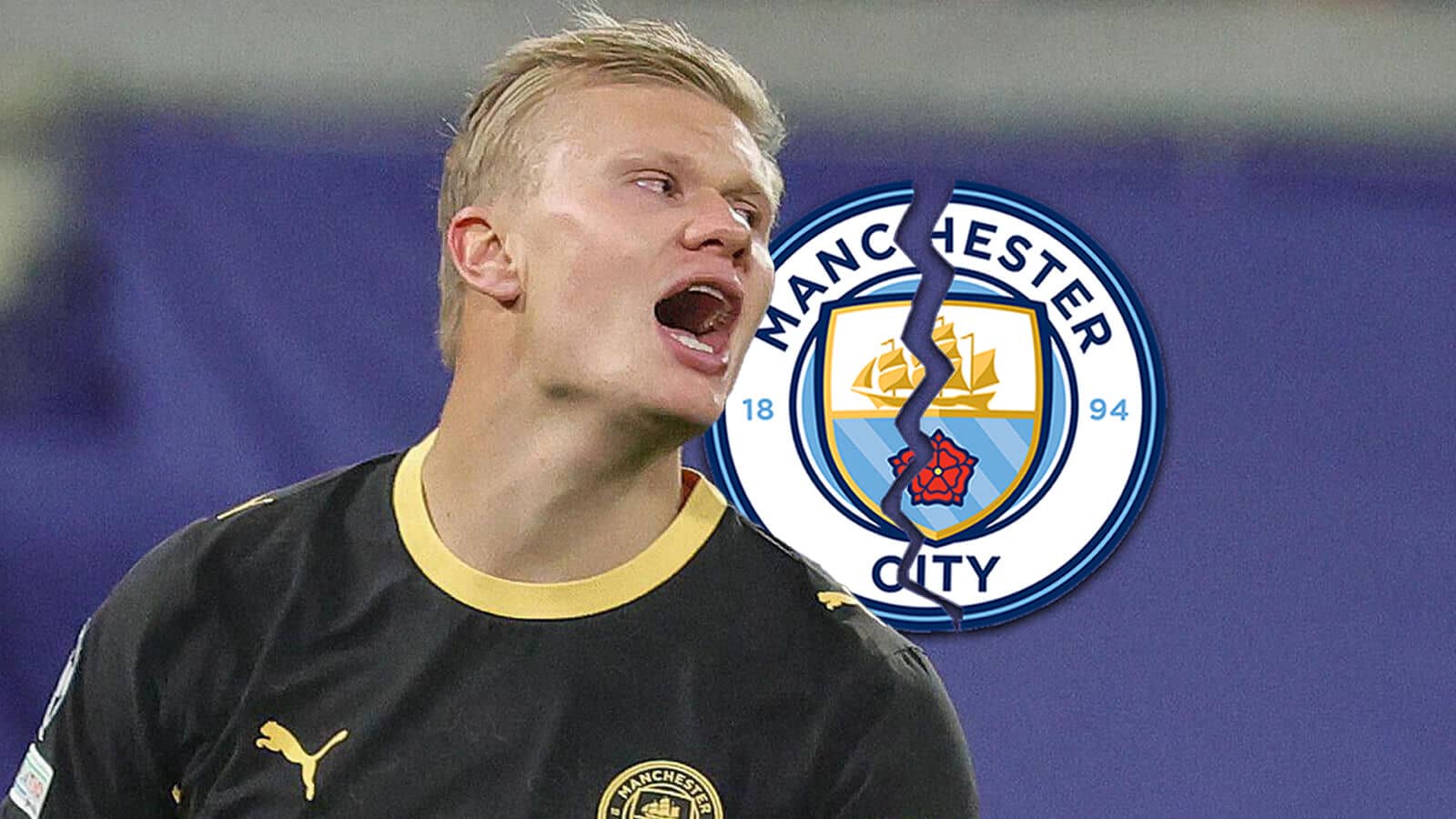
Every August, millions of fantasy football managers open their screens and stare at the same terrifying number. For the 2026-27 campaign, Erling Haaland commands a virtual price tag of £15.5m. It is an absurd valuation that forces users into absurd decisions, tearing up squad blueprints just to afford one man.
Yet nobody is genuinely surprised. Haaland has turned the art of scoring goals in the Premier League into an industrial operation. When he arrived in Manchester from Borussia Dortmund during the summer of 2022, traditionalists wondered whether his hyper-direct running would fit Pep Guardiola’s intricate passing machine.
Four years later, that debate looks ancient. Haaland did not adapt to English football. English football bent its knees to his physical geometry.
He does not play the game like a modern forward. While tactical trends demand center-forwards drop into midfield, press full-backs, and act as false nines, Haaland remains a pure throwback to an era of unadulterated brutality.
He stands six-foot-four, moves with the explosive torque of a sprinter, and treats defender contact as a minor inconvenience. In an age of sleek aesthetic obsession, Haaland is a battering ram engineered for maximum output.
His career trajectory reads like a relentless upward march through Europe's talent factories. From his early days under Ole Gunnar Solskjær at Molde to his terrifying breakout under Jesse Marsch at Red Bull Salzburg, every step has been deliberate.
By the time he torched the Bundesliga with Borussia Dortmund, scoring 86 goals in 89 matches under Marco Rose and Edin Terzić, the elite clubs knew what was coming. Manchester City simply triggered the release clause and let him loose on the Premier League.
The Physics of the Nine-Touch Masterclass
Football history is littered with penalty-box obsessives. Gerd Müller moved around the six-yard box like a ghost in German mud, sniffing out loose balls before defenders registered the danger. Gabriel Batistuta struck every shot with the explicit intent of tearing the netting off the iron posts.
Ruud van Nistelrooy at Manchester United famously treated any touch outside the eighteen-yard box as an unrewarding errand. Haaland merges Van Nistelrooy’s territorial discipline with the terrifying acceleration of a young Ronaldo Nazário.
He can spend eighty minutes wandering through a back line, touching the leather fewer than ten times, and still walk off the pitch with a match ball tucked under his arm. Against Crystal Palace at the Etihad in August 2022, he touched the ball sixteen times and scored a nineteen-minute hat-trick.
Against RB Leipzig in March 2023, he scored five goals in 57 minutes before Guardiola pulled him off to preserve him for the title run. Opponents spend an hour convincing themselves they have contained him, only for one lapse in concentration to result in a blue shirt surging into thirty yards of open grass.
His appetite for rewriting record books is almost mechanical. He recently collected four Guinness World Records for his staggering scoring trajectory.
Among those achievements was becoming the fastest player to hit fifty Premier League goals, shattering the previous record by reaching the mark in just 35 matches. Alan Shearer needed 66 games; Andy Cole needed 65. Haaland blew through their benchmarks like they were standing still.
Yet his genius lies in his understanding of space rather than ball control. Watch him when City build from the back. He does not ask for the ball to feet. He monitors the hips of center-backs, lurking on their blind sides until the exact second a midfielder opens his body to pass.
The Quiet Evenings and the Tactical Blind Spots
Real journalism demands an honest look at the flaws, and Haaland is not immune to criticism. On nights when elite opponents shut down City’s midfield supply lines, the Norwegian can vanish completely from the match.
During high-stakes Champions League knockout ties against Real Madrid at the Santiago Bernabéu, Antonio Rüdiger physically pinned Haaland, denying him space to turn. In those contests, Haaland completed fewer than eight passes and failed to land a single shot on target.
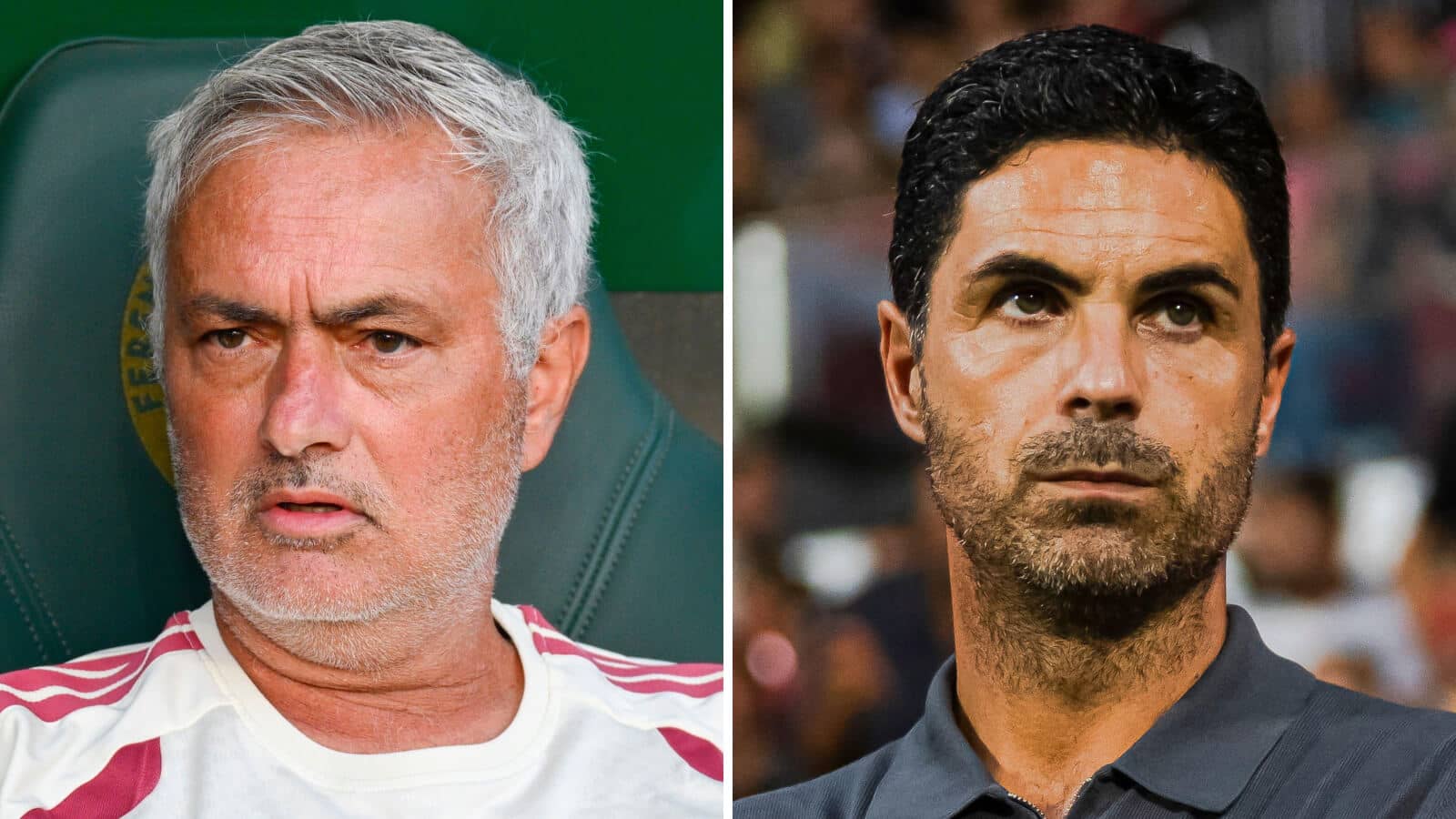
When Mikel Arteta deployed a compact low block at the Etihad, clogging the central lanes with William Saliba and Gabriel, Haaland looked isolated. Because he rarely contributes to intricate link-up play outside the penalty area, his non-scoring performances can leave City playing with ten men in possession.
When the service stops, his influence vanishes. He does not drop deep to dictate tempo like Harry Kane, nor does he unpick tight defenses with subtle dribbling like Karim Benzema once did for Madrid.
There is also an intriguing paradox regarding his leadership role inside the squad. Despite being the world's most recognizable striker, Haaland remains outside Manchester City's formal captaincy group under squad captaincy voting rules that favor long-serving domestic leaders.
Guardiola relies on veteran leaders like Kyle Walker, Kevin De Bruyne, and Rodri to manage squad discipline and referee communications. Haaland seems content with that arrangement, focusing entirely on his personal craft rather than political hierarchy inside the dressing room.
Chasing Thierry Henry and the Legacy Ahead
As the new season gets underway, Haaland has his sights set on another historic landmark. He is hunting a record-equalling fourth Golden Boot, a feat achieved by only one man in the history of the Premier League.
Thierry Henry claimed four scoring titles during his prime at Arsenal between 2001 and 2006. Shearer, Gary Lineker, and Harry Kane all finished their English careers with three.
According to tactical analysts tracking the race for the Golden Boot, Haaland remains the overwhelming favorite despite mounting challenges from rival forwards across the league.
His goal volume provides City with a floor that no other club in world football possesses. Even on days when the champions look sluggish, Haaland's predatory instincts inside the six-yard box guarantee twenty-five to thirty league goals a year.
For FPL managers debating whether to lock him in alongside Bruno Fernandes, the decision boils down to math. As experts note when evaluating his £15.5m price tag, going without Haaland is a gamble against statistical inevitability.
Haaland does not play football to entertain neutrals or win over purists who crave delicate turns and rabona passes. He plays to score goals, win trophies, and erase historical marks with cold Nordic precision.
He grew up in Bryne watching tape of his father Alf-Inge battling in the Premier League for Leeds United and Manchester City. Today, he has surpassed every shadow cast before him.
At twenty-six years old, Erling Haaland is not just entering his peak years; he is redefining what a modern center-forward can be. The rest of Europe is still trying to figure out how to stop him.
Read Next
- Why Modern Football Fans Track the Superstars, Not the Clubs
- Rodri left Manchester behind to become the brain of Barcelona's new era
- Tottenham's £150m Man City double bid shows De Zerbi isn't playing around
- FIFA's Balogun farce proves Howard Webb's worst refereeing fears right
- 🇳🇴 Norway World Cup 2026 — Can Haaland Lead the Vikings?