The £120m Deadline Bluff That Chelsea Called
Grab a pint and look at the whiteboard inside the Manchester City war room right now. It looks like a crime scene wall from It's Always Sunny in Philadelphia. Enzo Maresca is less than two days away from taking the touchline at the Millennium Stadium in Cardiff for his first competitive match in charge, and half his squad has one foot out the door while the executive suite plays high-stakes chicken with Stamford Bridge.
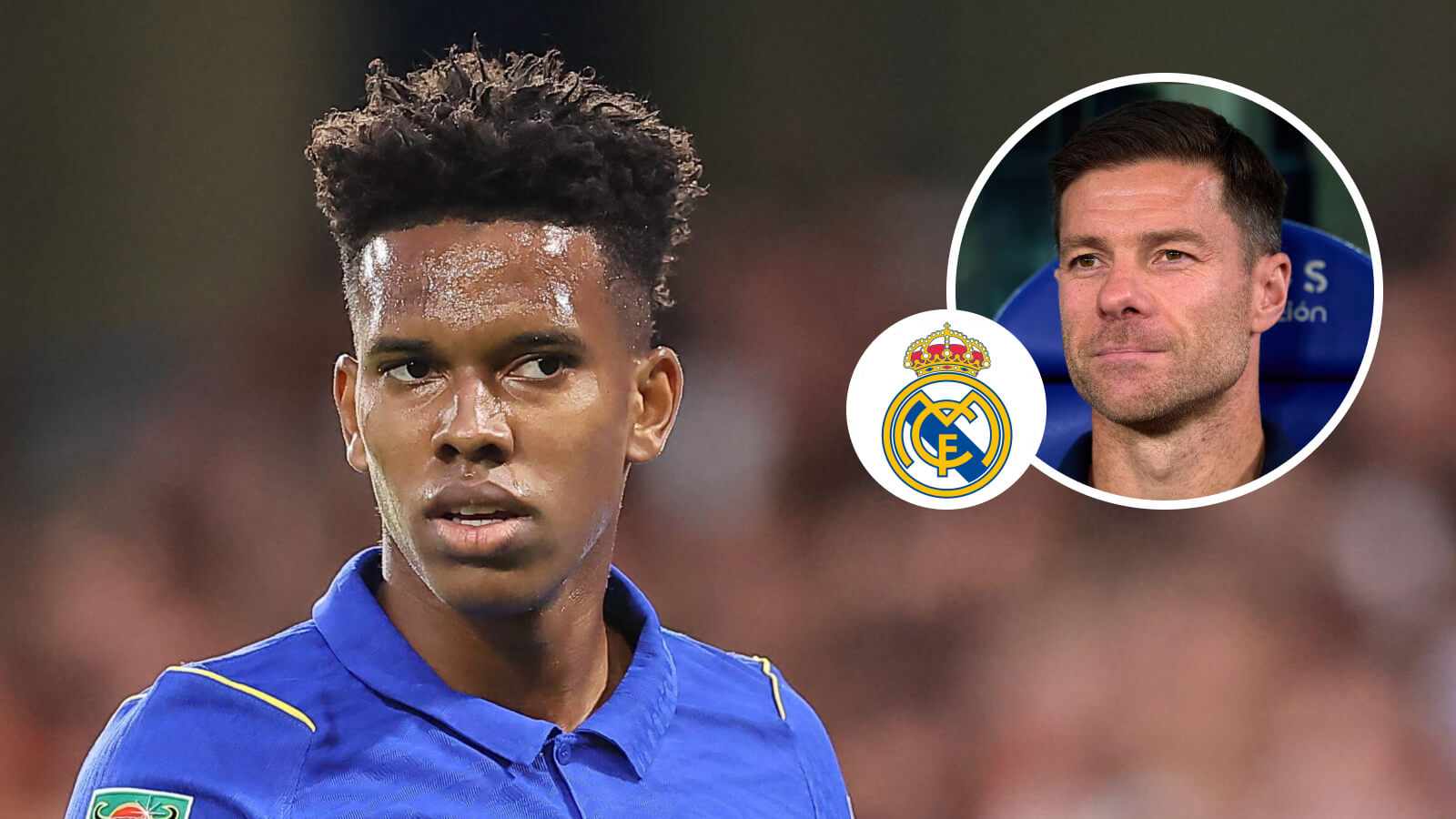
The Friday deadline set by Chelsea came and went without a murmur from Manchester. Chelsea drew a line in the sand early in the week: pay £120m for Enzo Fernández by the 5pm deadline on August 14, or walk away empty-handed. City blew right past that cutoff without placing a formal bid, leaving Todd Boehly's negotiating team shrugging their shoulders and insisting the Argentina midfielder is staying put in London.
That sounds like a clean resolution until you look at how fragile City's engine room actually is. Maresca coached Fernández at Chelsea last season and clearly views the 25-year-old as the exact pressing trigger and tempo controller needed to kickstart his post-Pep Guardiola era. As The Guardian reported on Friday, City are still lurking in the shadows and could test Chelsea's resolve before the transfer window closes.
Call this negotiation what it really is: a high-stakes poker game where both clubs are holding weak cards. Chelsea desperately need to balance their books after three straight years of buying every raw teenager with a viral highlight reel. City are trying to project calm financial discipline while their central midfield undergoes a complete overhaul in the stadium parking lot.
Bluffs only work when the other party believes you have a viable backup plan. City do not have one right now. Walking away from a £120m price tag makes sense on paper, but it leaves Maresca trying to install a complex possession system with positional holes all over the pitch.
Maresca tried to play the unflappable manager during his Friday press conference, brushing off questions about missing Chelsea's deadline. He insisted his focus remains strictly on beating Mikel Arteta on Sunday.
"For sure there are things we need to do, how many I don’t know, can be one, can be two, depends also if players want to leave so we can see," Maresca said on Friday, having suggested City would not agree to Chelsea’s demands. "It’s 48 hours for the final, my first final in this club, I would like to win my first trophy, so my focus isn’t on players that can leave or players that can arrive, my focus is on the game."
That is classic press room code for a manager whose house is currently on fire. You do not publicly hint at two late incoming transfers right before a cup match unless the recruitment office is operating under maximum stress.
Chelsea might feel victorious today, but keeping an expensive star who knows his former boss wanted him is a risky strategy. If Fernández gets frustrated early in the campaign, Stamford Bridge will regret not taking the money when City came knocking.
The Rodri Standoff and Barcelona's Third Act
If the Fernández negotiation is a drawn-out thriller, the Rodri situation is a full-blown crisis. The World Cup winner returned to the City Football Academy today after his summer vacation following Spain's tournament victory. He walked back into the facility with a gold medal and one year left on his contract, putting the club in an extraordinary bind.
Barcelona have already seen two formal offers rejected by City over the past month. Joan Laporta is preparing a third bid right now, pulling whatever financial levers are left in Catalonia to force City's hand before September. City cannot afford to lose the world's premier defensive midfielder, but keeping an uncommitted superstar who can sign a pre-contract in January is financial malpractice.
Maresca greeted his main midfielder with open arms on Friday morning, but his public remarks revealed the wire City are walking. He gave Rodri a warm welcome, yet refused to guarantee he stays beyond the window, as detailed in latest reports on the Rodri saga.
"The transfer window is open, we can buy players, we can sell players, anything can happen. I just saw Rodri now in the building, I gave him a big hug, he looks good, so we’ll see what happens."
Hugs do not extend contracts. If Barcelona come back with a compelling cash proposal this weekend, City management might be forced to sell rather than watch a generational talent leave for free next summer.
The tactical cost of losing Rodri cannot be overstated. Pep Guardiola spent five years crafting a system that relied on Rodri to break up counter-attacks and anchor possession. Asking Maresca to replicate that defensive stability without Rodri is asking him to build a house without a foundation.
Rodri holds all the cards here. He has won every major trophy in England, conquered the world with Spain, and knows Barcelona offers a return home to La Liga. If he decides his cycle in Manchester is finished, City have zero structural power to stop him.
Selling Rodri would also send shockwaves through the dressing room. Players look to leadership figures during a managerial transition, and seeing the midfield anchor depart right as Guardiola leaves would shatter any sense of continuity.
The Etihad Clearance Sale: Who Left the Back Door Open?
While the executive suite chases marquee midfielders, the rest of the roster is being emptied out at an alarming rate. Tijjani Reijnders is already packing his bags for Saudi Arabia. City agreed to a £51m fee with Al-Qadsiah after the Dutch midfielder demanded guaranteed playing time after just one season at the Etihad.
Reijnders arrived from AC Milan last summer with considerable hype, but spent most of Guardiola's final campaign stuck on the bench. Maresca was brutally blunt about why the Dutchman is heading to the Saudi Pro League.
"They all work every day, they all do sessions every day and at the end of the week they all want to play a game. When they don’t play they struggle to understand or they struggle to see the reason why, and I can understand that after one season some of them would like to play a little bit more. It’s a normal situation."
Reijnders is not an isolated case. City have already sold goalkeeper James Trafford to Leeds United, and several other rotational pieces are lining up near the exit doors.
The depth chart is shrinking when City need it most. Consider the players sitting on the fringes:
- Omar Marmoush is attracting interest across Europe after spending Guardiola's final season on the periphery.
- Rico Lewis wants consistent starter minutes rather than playing fill-in fullback twice a month.
- Savinho is evaluating options after failing to lock down a permanent wing spot last year.
When half your bench is having their agents explore options elsewhere, training sessions lose their edge. City look less like a cohesive squad preparing for a trophy run and more like a busy transit hub where everyone has their luggage stacked near the door.
This mass exit exposes a flaw in how City built their secondary squad depth over recent years. They accumulated talented players who expected regular minutes, but when Guardiola relied on his tight core, those bench players became dissatisfied and ready to jump ship at the first opportunity.
Now Maresca is left picking up the pieces. Losing Trafford, Reijnders, and potentially three other rotational options in a single window strips away the tactical flexibility that made City dominant during fixture congestion in mid-winter.
The Teenager Band-Aid and Sunday's Cardiff Reality Check
So how are City planning to plug these glaring holes? By throwing money at 18-year-old prospects and hoping nobody notices the complete absence of battle-tested veteran depth.
City are finalizing a move for Moroccan international Ayyoub Bouaddi from Lille. Bouaddi is technically gifted and has immense potential, but asking an 18-year-old to instantly anchor a Premier League midfield during a transition season is unfair and reckless.
Throwing a teenager into the deep end works when you have seasoned leaders around him to absorb pressure. Dropping Bouaddi into a midfield that might lose both Rodri and Reijnders is setting the young man up for a brutal learning curve.
That brings us to Sunday's Community Shield clash against Arsenal in Cardiff. While some dismiss the fixture as a preseason showcase, for Maresca it represents an urgent trial by fire. Arteta has spent four years perfecting his Arsenal squad, whereas City enter Wales with zero tactical rhythm and an unsettled locker room.
Maresca has only 48 hours to patch together a starting XI capable of competing against Declan Rice and Martin Ødegaard. With Rodri lacking match fitness following his World Cup break and Reijnders preparing for a flight to Saudi Arabia, City's central midfield on Sunday looks startlingly vulnerable.
Tactical chemistry takes months of repetition to build. Expecting new players to seamlessly execute Maresca's demanding structural shifts while transfer rumors swirl through the team hotel is asking for a miracle.
Let us be completely fair to Maresca. Replacing Pep Guardiola was always going to be an intimidating task. Inheriting a squad restructuring while senior executives miss deadline windows and key stars weigh foreign offers makes the job infinitely harder.
If Arsenal dismantle City in Cardiff on Sunday, the skepticism surrounding the Etihad will turn into open criticism before Premier League Matchday 1 even begins. Maresca wanted to step up to the highest level, but right now he is trying to navigate a storm without a full deck of cards.