The Azteca Escape and the New Jersey Statement
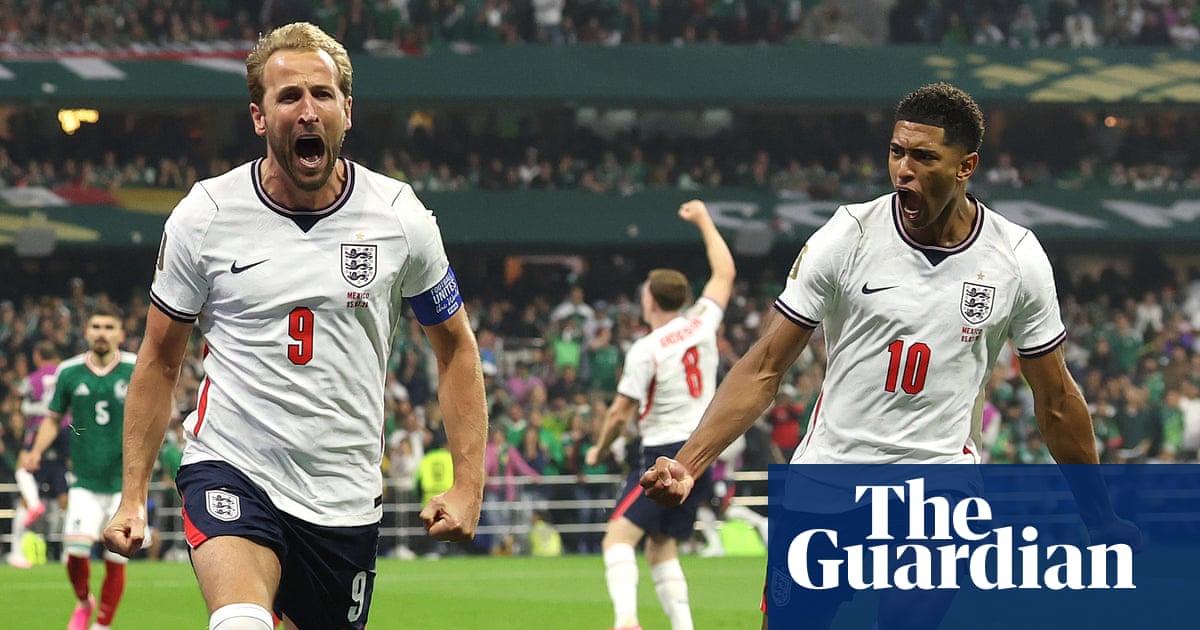
England reached the quarter-finals by surviving a chaotic 3-2 victory against Mexico at the Azteca, but the performance did little to inspire tactical confidence. Playing the final thirty-six minutes with ten men after Jarell Quansah's red card, the Three Lions were pushed to their absolute physical limits. Thomas Tuchel's side must now prepare for a different tactical challenge against a disciplined Norwegian team that has just eliminated Brazil.
Norway's progression was confirmed on Sunday evening with a historic 2-1 win over the five-time champions in New Jersey. Stale Solbakken's team neutralized the Brazilian attack before Erling Haaland struck twice in the final ten minutes. The Scandinavians enter this quarter-final matchup with momentum and a clear identity, whereas England look fatigued and structurally compromised.
The tactical battle will hinge on whether Tuchel can patch up a defensive line that is missing key components. Fans can follow the latest tournament updates on The Guardian's World Cup coverage. The stakes are immense, and the margin for error has disappeared completely.
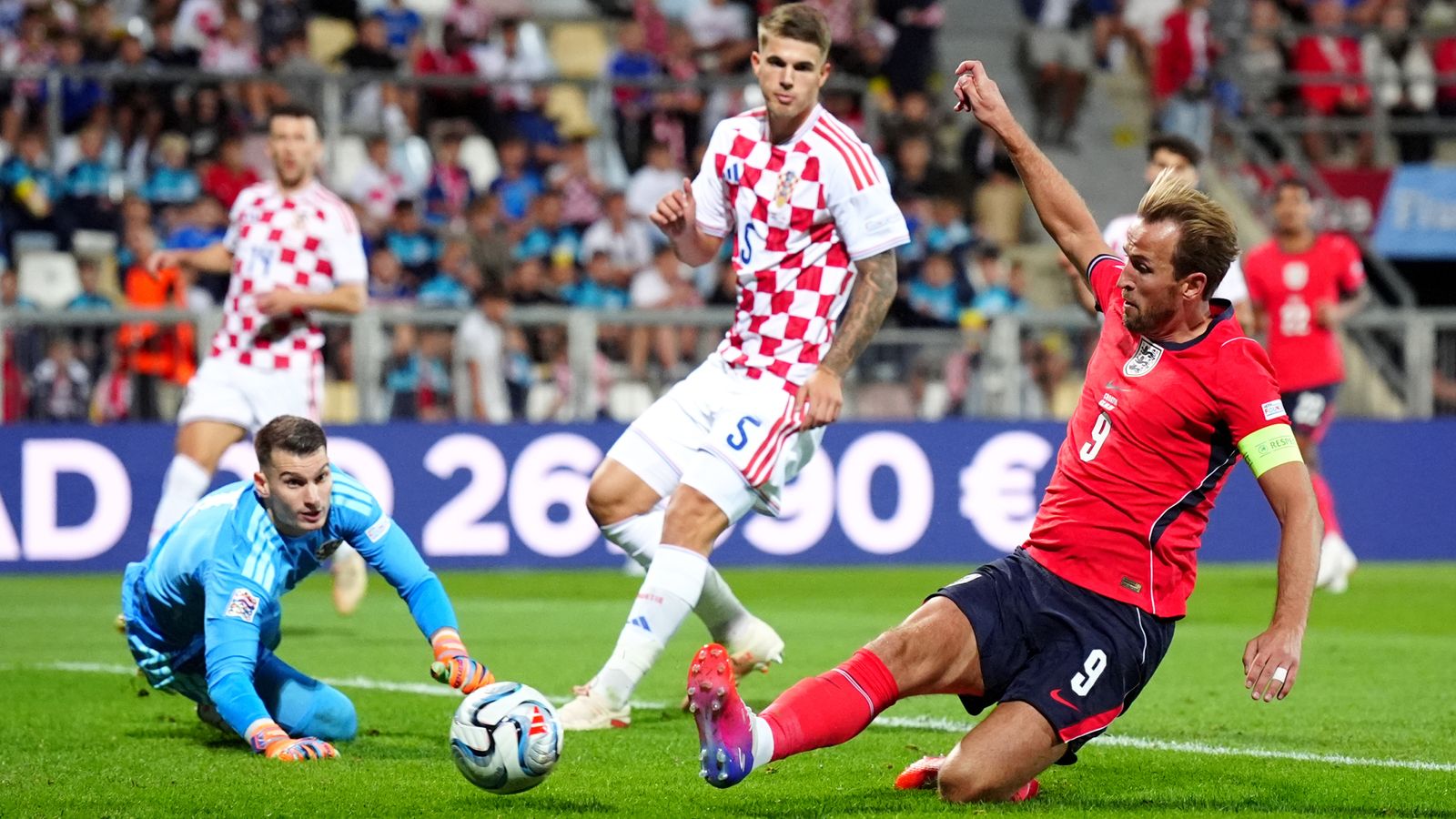
England only survived the round of 16 because of individual rescue acts. Jude Bellingham scored a quickfire double in the first half before Harry Kane converted a penalty to seal the win. Relying on moments of individual magic is a dangerous tournament plan that will eventually run out of steam against structured opposition.
The Tactical Spacing Crisis and Roster Meltdown
The Right-Back Void
The right-back crisis is a self-inflicted wound that has haunted England since their opening group fixture. Tino Livramento withdrew through injury before the tournament began, and Reece James limped off against Ghana on June 23. This left Jarell Quansah, a central defender by trade, to play out of position until his dismissal against Mexico.
Tuchel must now choose between shifting Ezri Konsa to the flank or playing Djed Spence on his natural side. Spence has spent the tournament playing at left-back while wearing a carbon-fibre mask to protect a nasal fracture. Shifting Spence back to the right would solve one problem but would force Tuchel to find a new left-back.
This defensive instability is a massive concern against Norway's wide threat. Antonio Nusa and Andreas Schjelderup are excellent at isolating full-backs in one-on-one situations. If England's makeshift defenders lack recovery pace, the Norwegian wingers will create constant overloads.
The statistical cost of England's defensive narrowness was clear in the second half against Mexico. The co-hosts registered an xG of 1.84 compared to England's 1.45, constantly exploiting the spaces behind the full-backs. Jordan Pickford was forced to make three point-blank saves in stoppage time to prevent an equalizer.
The physical tax of playing at altitude will also affect England's recovery time. At 2,240 meters above sea level, the players experienced rapid lactic acid buildup in their legs. With only four days between matches, the fatigue will linger, reducing their lateral mobility in the quarter-final.
The Midfield Stagnation and the Anderson Windfall
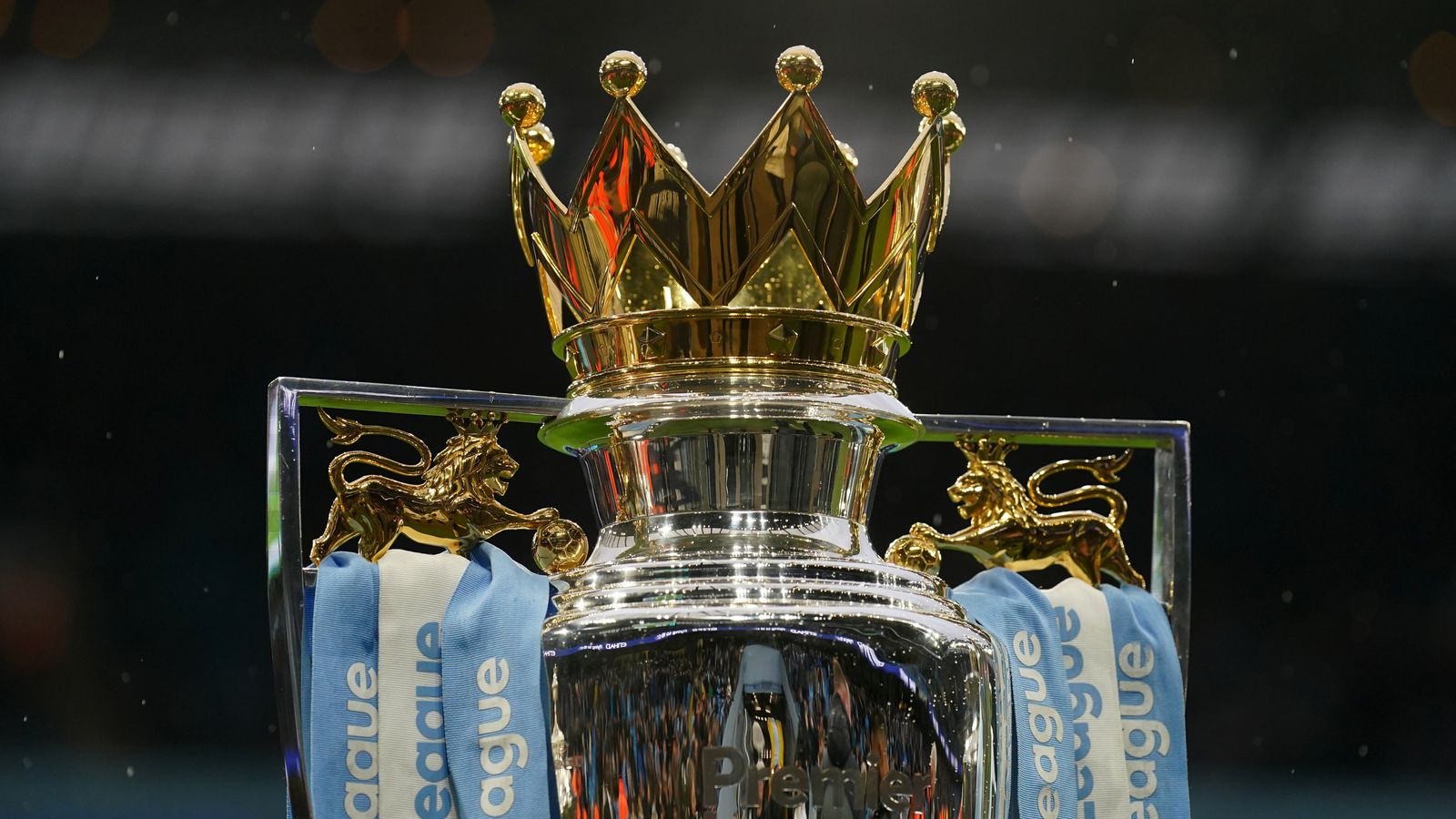
England's preparation has been further complicated by a massive transfer story involving one of their young players. Elliot Anderson completed a record-breaking £116m transfer to Manchester City on Sunday. The midfielder was given special clearance by the national team to undergo his medical between matches.
While this transfer represents a historic moment for the player, it is an unnecessary distraction ahead of a quarter-final. Anderson looked sluggish when he entered the pitch against Mexico, struggling to track lateral runs. Tuchel must ensure his young star is focused on the tactical task at hand rather than his new club contract.
The physical load on the midfield is already reaching a dangerous level. Declan Rice played the full ninety minutes at altitude despite carrying a calf injury. Alongside Nico O'Reilly, Rice looked completely exhausted in the final twenty minutes, completing only sixty-two percent of his passes.
This physical deficit will play directly into the hands of Martin Odegaard. The Arsenal playmaker was outstanding against Brazil, operating with total freedom in the half-spaces. If England's double pivot cannot close the distance, Odegaard will dictate the tempo of the match.
Nico O'Reilly's lack of international experience is another major risk in this central area. The young midfielder has only played a handful of senior matches and will face an intense physical press from the Norwegian midfield. If he turns the ball over in transition, England's back four will be left completely exposed.
Solbakken's Direct Blueprint and the Haaland Problem
Norway's attacking game plan is simple but devastatingly effective. Solbakken has instructed his team to bypass the midfield press and seek Erling Haaland with early vertical service. The striker, who is wearing the name Braut on his jersey as a family tribute, leads the tournament with 7 goals.
Haaland's physical dominance will test Marc Guehi and John Stones to the limit. Against Brazil, Haaland occupied both centre-backs, creating space for Oscar Bobb to circulate possession. Bobb's introduction at half-time was a masterstroke that gave Norway complete control of the tempo.
Tuchel's typical response to physical attackers is to drop into a compact low block. We saw this defensive retreat against Mexico after the red card, which invited relentless pressure. If England sit deep against Norway, they will allow Odegaard to deliver cross after cross to Haaland.
For further details on Norway's tactical setup, fans can review Sky Sports' match analysis. The Norwegian team has shown a defensive discipline that makes them incredibly difficult to break down once they take the lead.
Norway also possess a major psychological advantage after Nyland's penalty save against Brazil. Ørjan Nyland saved Bruno Guimaraes' spot-kick, marking the first time a Brazilian has missed a World Cup penalty since 1986. This defensive resilience has bred a belief that they can survive any attacking storm.
The Tactical Verdict and Prediction
This matchup represents a clash between a fatigued, compromised favorite and a fresh, disciplined challenger. England's unacclimated midfield and makeshift defense will struggle to cope with Norway's physical intensity. The physical science of recovery is against Tuchel's players after their grueling shift in the thin air of Mexico City.
Norway, conversely, were able to rest ten starting players in their final group game. They look physically superior and tactically settled under Solbakken. Haaland's running power will expose the lack of lateral coverage in England's defensive line.
We predict a 2-1 victory for Norway after ninety minutes of tactical warfare. Haaland will score the opening goal in the first half before Jude Bellingham equalizes with a vertical run. Eventually, Bobb will set up Schjelderup for the winner in the final ten minutes.
England's World Cup campaign has been a story of survival rather than dominance. Against a team with a world-class finisher and a fresh midfield, their luck will finally run out. Tuchel will face serious questions about his squad selection when the tournament ends in disappointment.
Read Next
- Top 10: can
- England face right-back disaster after chaotic World Cup win over Mexico
- Tuchel survives the Azteca storm but England are still playing with fire
- Pochettino has a tactical puzzle now that Folarin Balogun is cleared
- 🏆 World Cup 2026 — Full Coverage Hub
- 🏴 England World Cup 2026 — Three Lions Hub
- 🇳🇴 Norway World Cup 2026 — Can Haaland Lead the Vikings?