The Azteca Aftermath
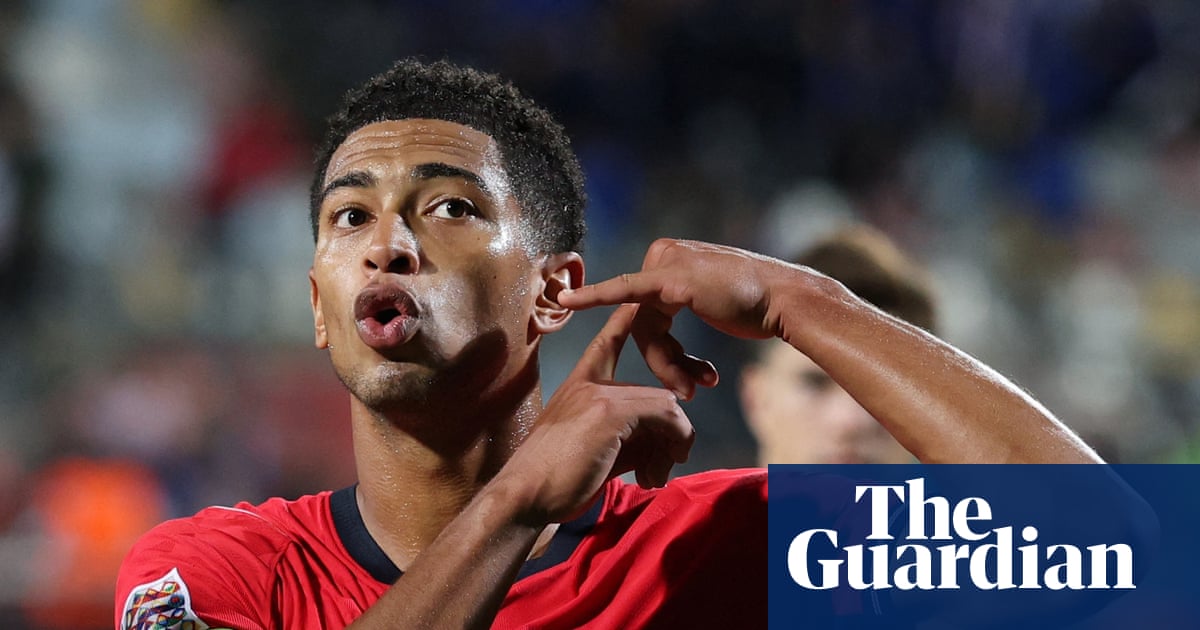
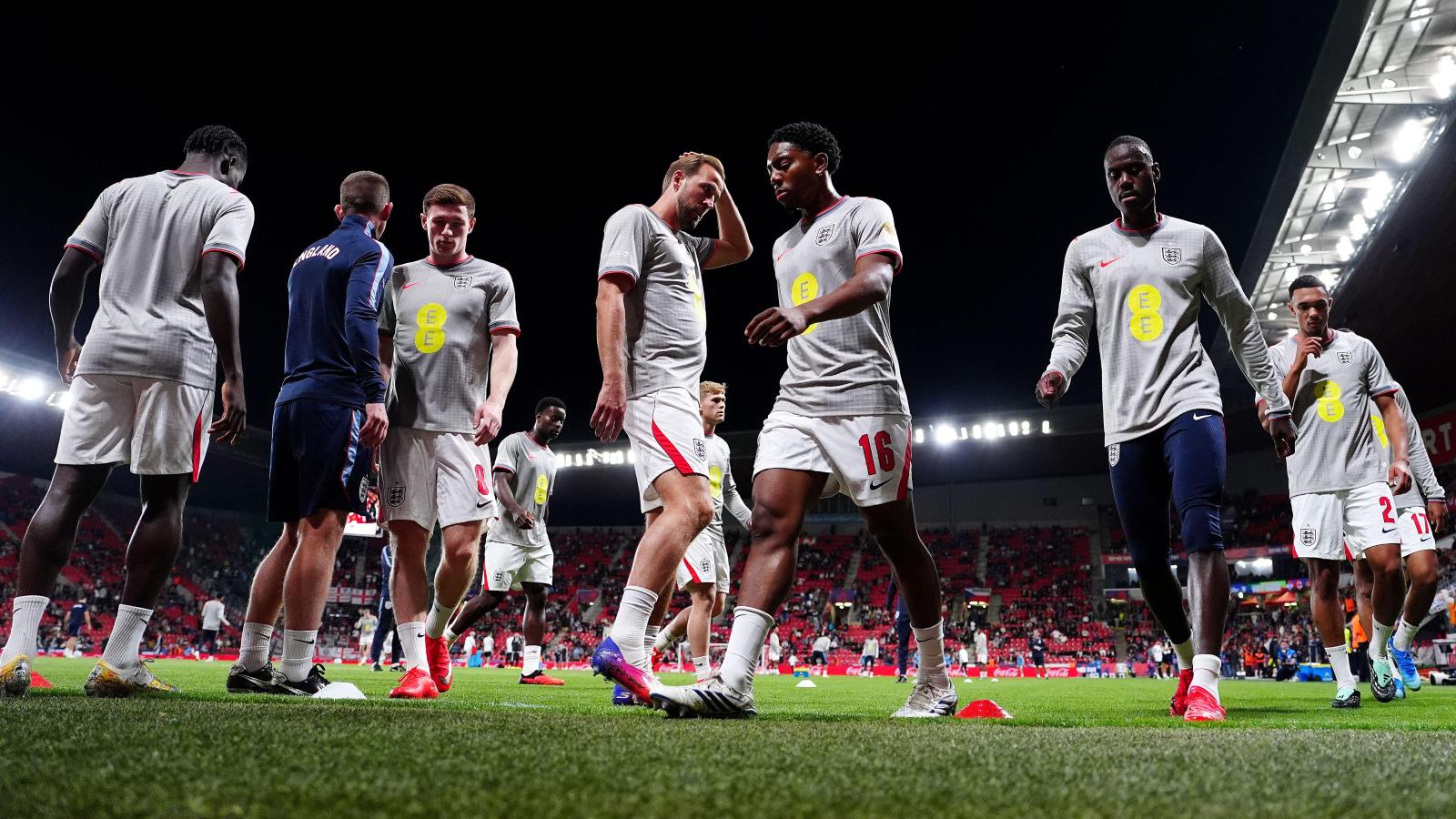
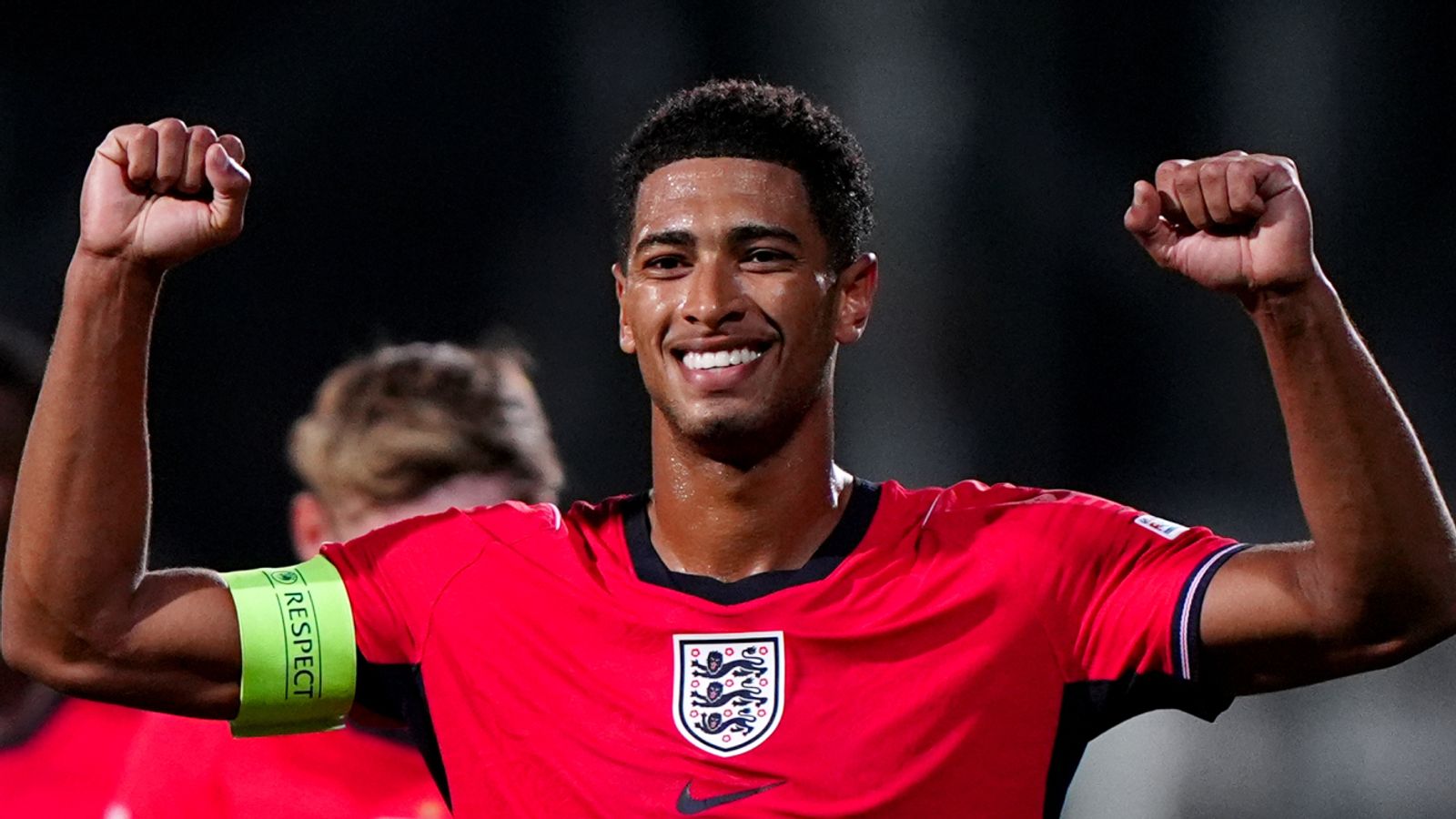
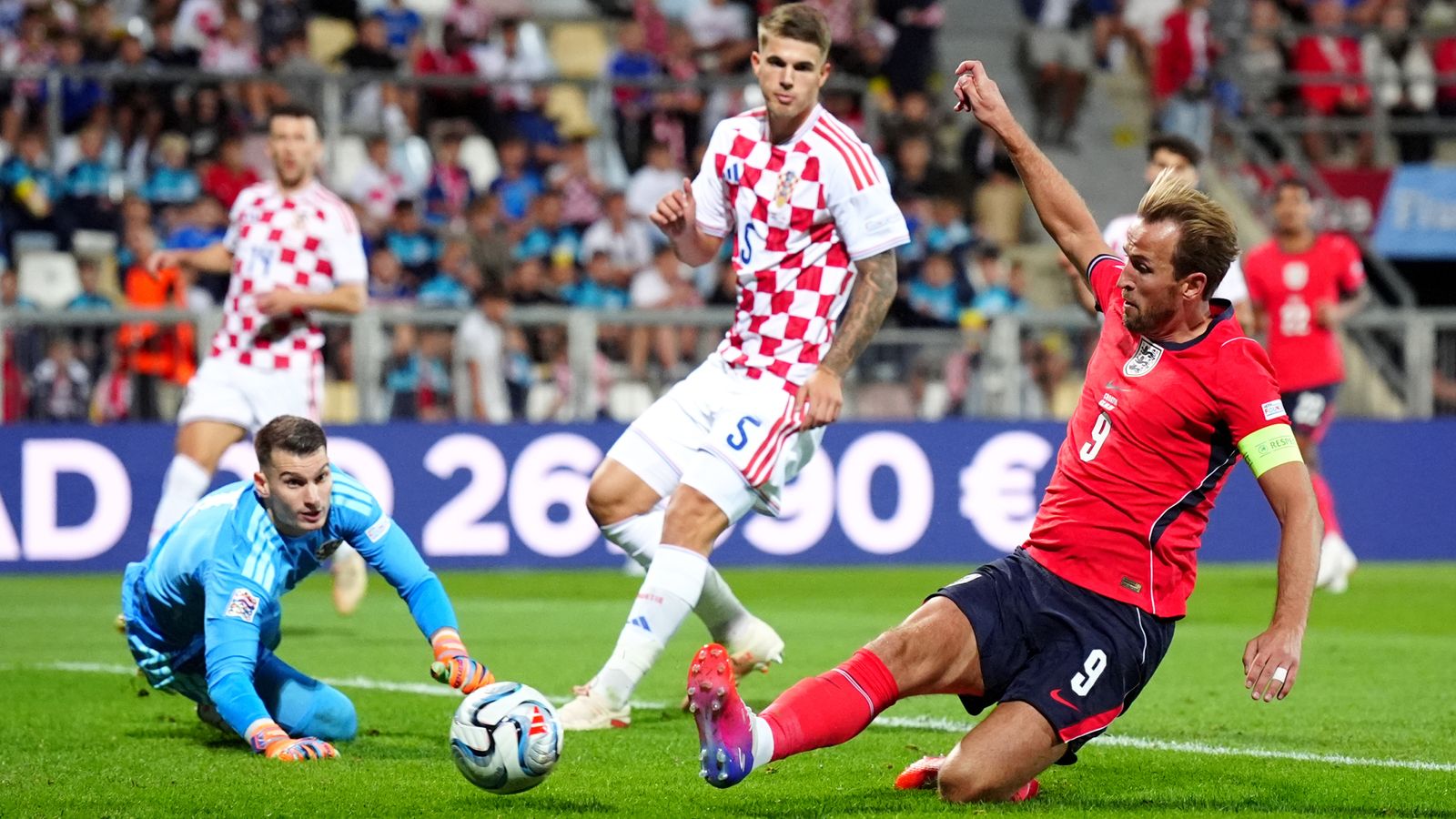
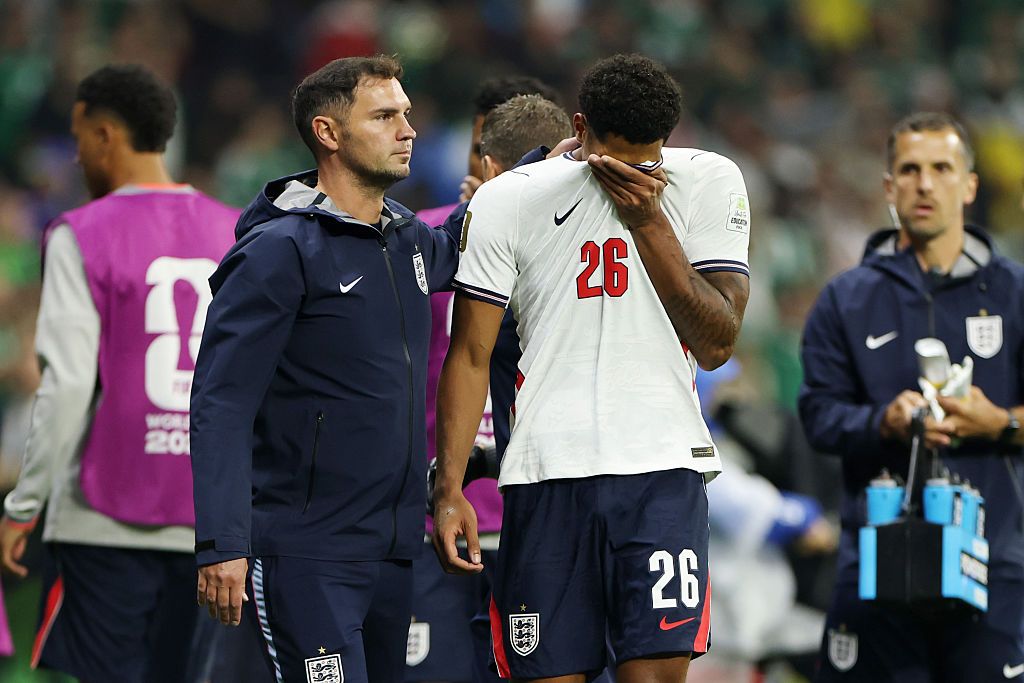
England secured a gritty 3-2 victory at the Estadio Azteca, but the fallout from the round-of-16 tie is overshadowing the achievement. While the Three Lions are through to the quarter-finals, the match will be remembered for the Jarell Quansah red card and a devastating injury to captain Jordan Henderson.
Henderson was stretchered off in the aftermath, requiring oxygen on the pitch. Initial reports confirmed the midfielder has suffered a severe arm and hand injury, effectively ending his tournament prematurely. Losing a dressing room leader of his stature mid-competition is a tactical and psychological blow that creates a significant void in the squad.
The Red Card Controversy
Quansah’s dismissal has triggered a surreal diplomatic scramble, with even Downing Street weighing in. Government officials suggested the Prime Minister might intervene to pressure FIFA, with reports indicating Keir Starmer has personally reached out regarding the officiating. It is a desperate move for a governing body renowned for its rigid autonomy.
Wayne Rooney, speaking on the emotional toll of such moments, pointed out the unique pressure of walking down the tunnel after a tournament red card. “I know what he was going through in that dressing room, it's such a horrible feeling,” the former captain noted. Rooney’s empathy highlights the isolating experience for a young defender tasked with holding off one of the world's most aggressive attacking sides.
Officiating Inconsistency
The skepticism surrounding FIFA is at an all-time high. Former referee Dermot Gallagher has been busy dissecting the controversial match incidents, but the debate has been compounded by inconsistencies across the tournament. The lack of standardisation in VAR interventions has left managers and fans feeling disillusioned.
Discontent is not limited to the England camp. Norway’s head coach recently blasted FIFA for their handling of Folarin Balogun. After overturning a red card for the U.S. striker, the governing body has been accused of setting a dangerous precedent lacking transparency. This U-turn has turned the tournament's disciplinary framework into a moving target, leaving teams uncertain of the rules.
Pressure on World Cup Standards
The tournament is showing major cracks in its administration. Beyond the disciplinary chaos, on-field performance is often eclipsed by the sheer unpredictability of refereeing decisions. When the Prime Minister of a nation is reportedly texting governing body officials to plead a case, the sport has entered a dangerous zone of political desperation.
Elsewhere in the tournament, the fallout of high-stakes pressure was evident in Australia’s camp. Captain Mat Ryan issued a formal apology after a disastrous penalty shootout against Egypt ended the Socceroos' campaign. Ryan, taking accountability for the failed execution, underscored the thin margins that define World Cup success. The discrepancy between the high-profile drama of the England fixture and the quiet exit of other nations paints a stark picture of a tournament currently defined by its off-pitch discord.
Questions remain regarding the sustainability of England’s run. With Henderson sidelined and Quansah facing a potential suspension if the political lobbying fails, the squad depth will face its ultimate test. A manager’s success should be measured by his ability to maintain focus, yet the FA is currently fighting a war on two fronts: the pitch and the boardroom.
Ultimately, the optics of these decisions reflect poorly on the organisation of the 2026 games. Fans across the globe are tiring of the constant interference and the lack of clarity provided by match officials. If the remainder of the knockout phase continues at this level of dysfunction, the tournament may well be remembered for the boardroom failures rather than the quality of football played on the grass.
Read Next
- England face right-back disaster after chaotic World Cup win over Mexico
- England lose Jordan Henderson for the rest of the World Cup after bizarre injury
- Thomas Tuchel just silenced his haters in the chaotic heat of the Azteca
- FIFA's political circus and England's Azteca escape have ruined the World Cup
- 🏆 World Cup 2026 — Full Coverage Hub
- 🏴 England World Cup 2026 — Three Lions Hub
- 🇲🇽 Mexico World Cup 2026 — El Tri Hub