Surviving the Azteca Altitude and Quansah's Nightmare
Pull up a chair, order another round, and let us look at the absolute clown show that the World Cup has become.
Yesterday in Mexico City, Thomas Tuchel's England team dragged themselves through a monsoon at the Azteca, finishing with ten men and a chaotic 3-2 win over Mexico.
It was wild, it was messy, and it featured enough refereeing drama to keep every sports talk show host employed for the next decade.
But while English fans are celebrating their quarter-final ticket, the rest of the world is staring at a massive crisis of sporting integrity.
Just as the dust was settling on England's survival act, FIFA decided to drop a political bomb by overturning Folarin Balogun's red card suspension.
If you think international football was still about fair play, this tournament has officially shattered that illusion.
We are witnessing a double-standard festival where political pressure dictates who gets to play.
Between Jarell Quansah's red card, Thomas Tuchel's post-match rant, and the U.S. government calling in favors to save their star striker, the beautiful game has turned into a political thriller.
Let us break down the madness, the tactics, and the refereeing decisions that have left the entire tournament in a state of absolute revolt.
Playing at the Estadio Azteca is a biological nightmare even under the best conditions.
At 2,240 meters above sea level, the air is thin, lungs burn instantly, and the ball floats through the sky like a balloon filled with helium.
England's players, who only arrived in the capital on Friday night after travel delays, looked completely spent by the hour mark.
Thomas Tuchel's defensive setup worked early on, thanks to Jude Bellingham scoring two quick goals to give England a comfortable cushion.
But the entire game plan was thrown into the bin in the 54th minute.
Quansah, playing out of position at right-back, launched a reckless studs-up challenge on Jesús Gallardo near the touchline.
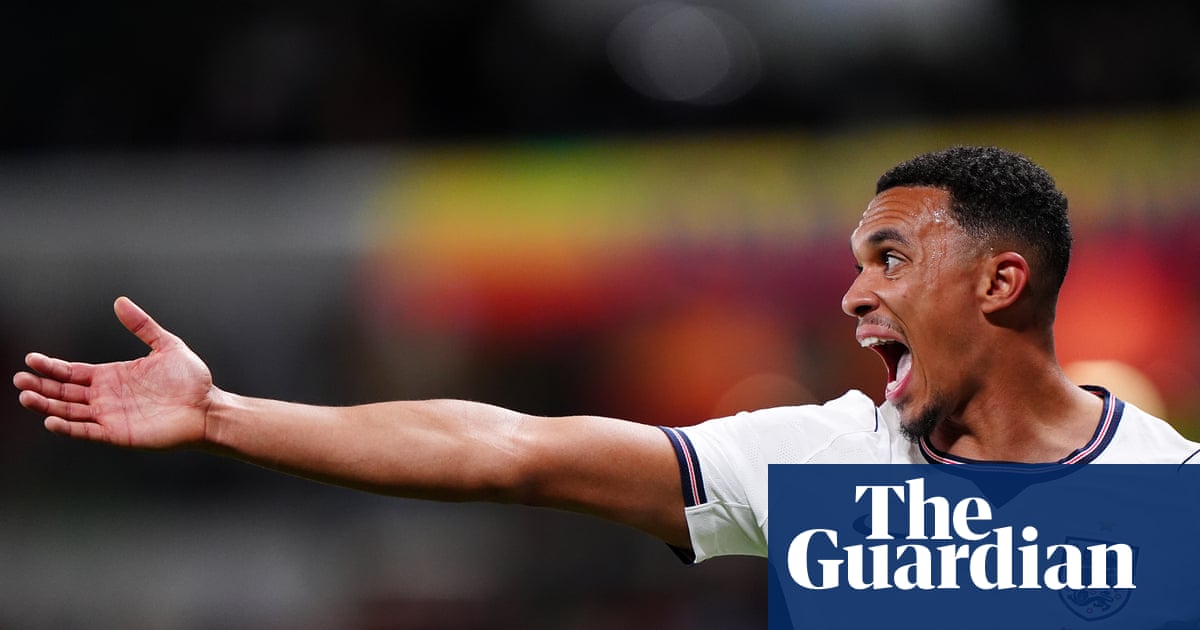
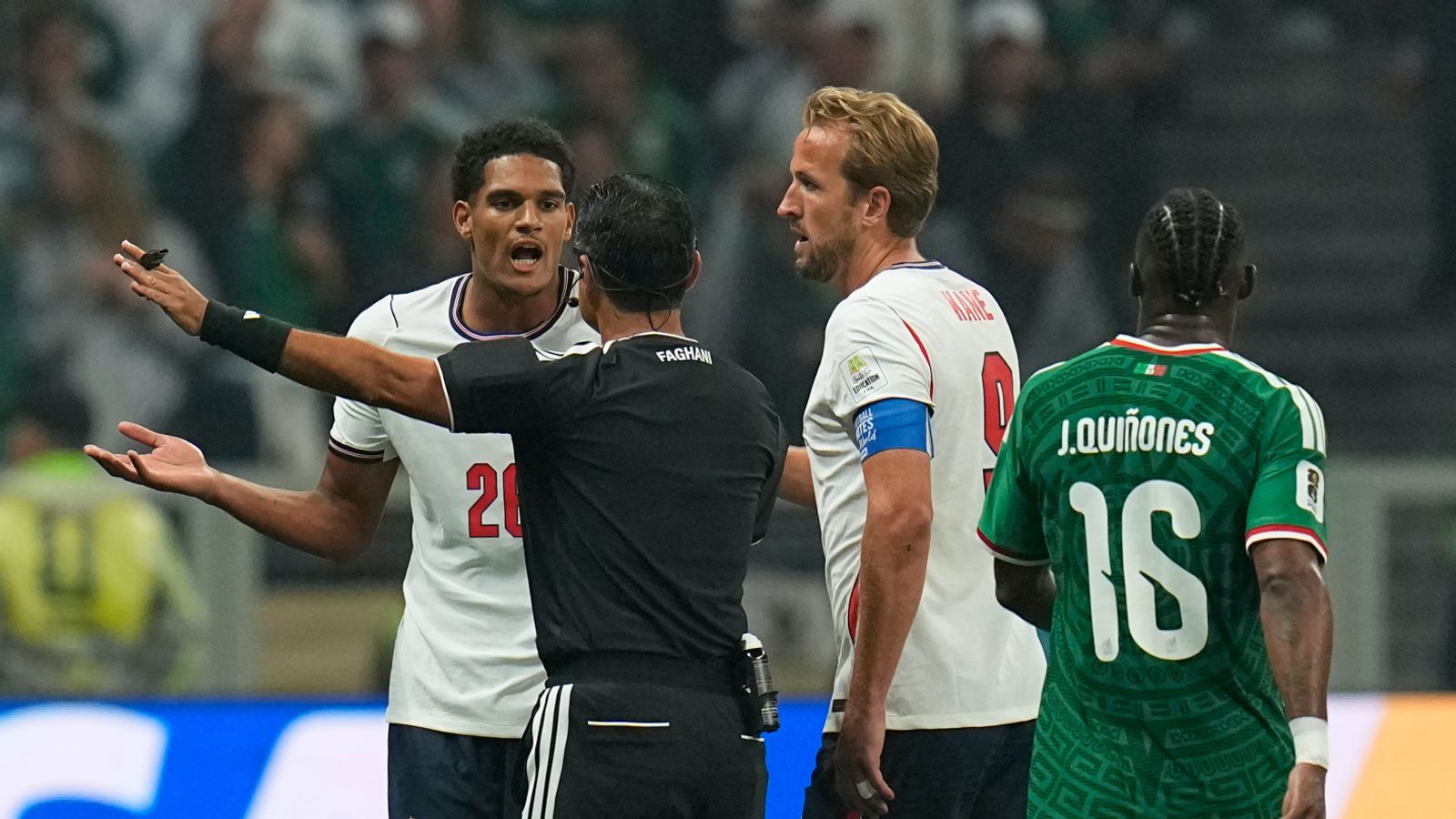
The referee on the pitch initially waved play on, letting the match continue as the Mexican players screamed for a foul.
But the VAR booth intervened, recommending an on-field review that would completely alter the course of the match.
When you watch the replay in slow motion, it is impossible to defend the young Liverpool defender.
On Sky Sports' Ref Watch, former Premier League referee Dermot Gallagher was clear about the decision.
He stated that it was a red card because Quansah was high and caught Gallardo with his studs halfway up the shin.
Gallagher noted that while Quansah got a tiny touch on the ball, that was just a bonus and did not excuse the dangerous contact.
For the referee, it was the worst possible dilemma.
As Gallagher pointed out, the decision went from no foul to a straight red card, which is the absolute extreme end of the officiating spectrum.
That massive jump is what caused the immediate fury on the English bench, but the VAR made the correct call.
Tuchel was forced to react instantly, pulling Bukayo Saka off for John Stones to build a defensive wall.
England dropped into a deep block, but their fatigue at altitude was immediately exposed.
Their pass completion rate plummeted to just 62 percent in the final twenty minutes as they chased Mexican shadows.
They were no longer playing football; they were simply surviving a siege.
Mexico finished with an expected goals rating of 1.84 compared to England's 1.45, forcing Jordan Pickford into several desperate saves.
If the home side had possessed any clinical edge, England would be flying back to London today.
The Penalty Trade and the Azteca Atmosphere
The referee's whistle did not stop blowing after Quansah walked off.
In the 60th minute, Anthony Gordon surged into the Mexican box and was brought down by goalkeeper Raul Rangel.
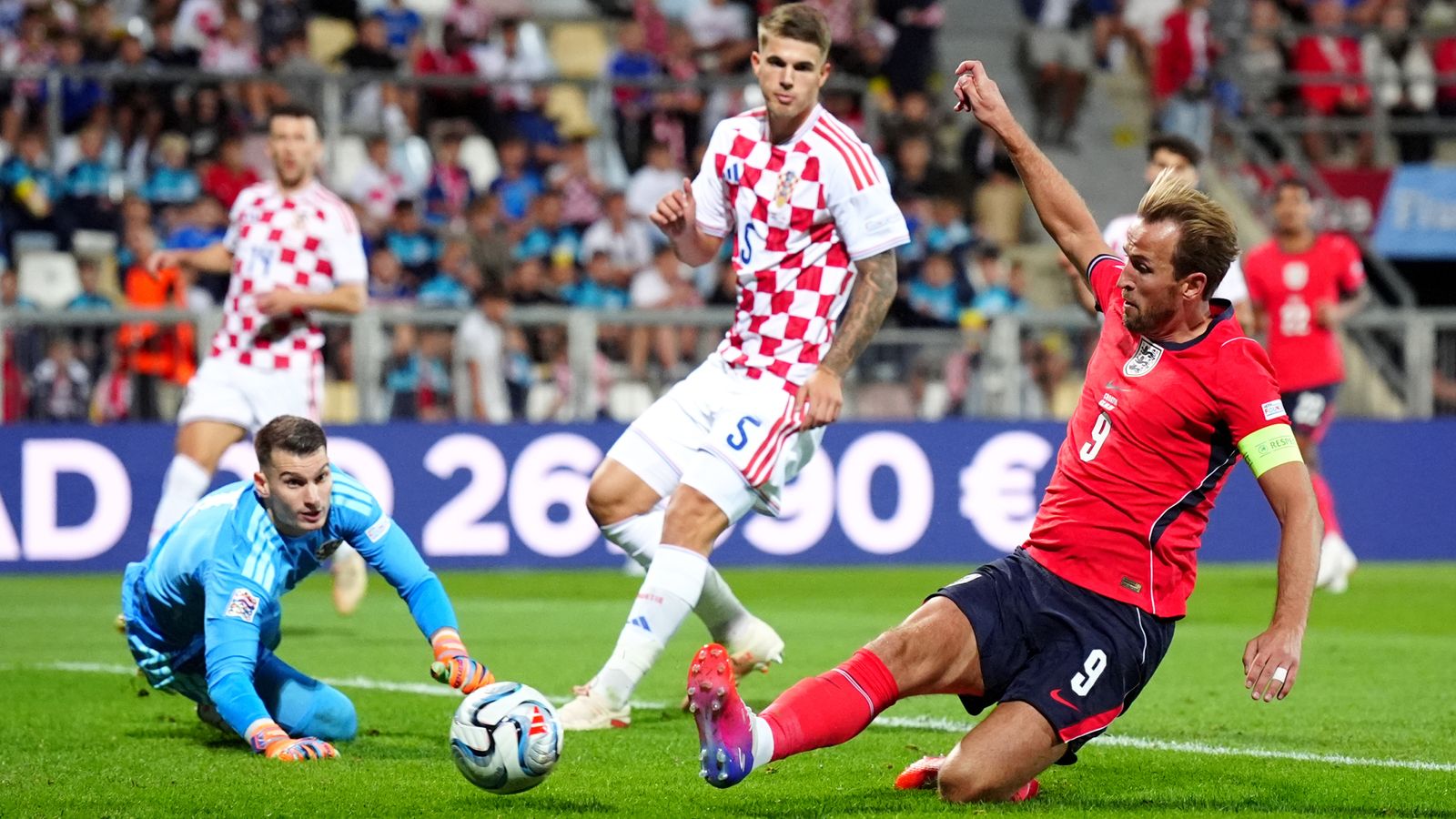
Harry Kane stepped up and converted the spot-kick to make it 3-1, but the relief was short-lived.
Just nine minutes later, Ezri Konsa blocked a cross with his hand inside the box.
Raul Jimenez converted the penalty for Mexico to make it 3-2, turning the final twenty minutes into a high-altitude torture chamber.
According to the Sky Sports live coverage, the noise inside the concrete bowl was deafening.
Rob Dorsett noted that the Azteca crowd created an intimidating wall of sound that made the hair on the players' necks stand on end.
"Never before have I heard noise like that in a football stadium. 80,000 Mexico fans, belting out the national anthem with a ferocity that must have made the hairs on the backs of the England players necks stand on end."
— Sky Sports' Rob Dorsett
It was a hostile cauldron that tested England's mental strength as much as their physical stamina.
Kane's petulance did not help ease the tension.
In the 6th minute, the captain got dragged into a childish scrap with Erik Lira, pushing the Mexican midfielder after a quick free-kick was blocked.
As Dorsett remarked, Kane's reaction only served to hype the hostile crowd even further, showing a lack of composure when leadership was needed.
England's set-piece execution was equally disappointing.
In the 8th minute, Bellingham and Gordon won a corner, but instead of crossing to their tall defenders, England chose to play it short.
The cross was overhit, wasting a vital chance in a stadium where set-pieces are golden opportunities.
The Balogun Political Farce
While England was surviving the Azteca, FIFA was busy executing a political maneuver that makes a mockery of the rulebook.
U.S. striker Folarin Balogun was shown a straight red card in the 64th minute against Bosnia and Herzegovina five days ago.
The tackle on Tarik Muharemovic was dangerous, carrying an automatic one-match ban that should have ruled him out of the Round of 16 against Belgium.
But instead of enforcing the rules, FIFA decided to suspend Balogun's ban for a probationary year, declaring him eligible to play.
This bizarre decision followed reports that President Donald Trump and White House officials contacted Gianni Infantino directly to lobby for the player.
Trump even posted on Truth Social, thanking FIFA for reversing what he called a great injustice.
The Royal Belgian Football Association is understandably furious, questioning the integrity of the entire tournament.
Having a head of state intervene to save a player from a red card suspension is a dangerous precedent that ruins sporting fairness.
If the U.S. is allowed to use diplomatic pressure to influence disciplinary panels, the competition becomes a farce.
Thomas Tuchel was asked about this decision after England's match, and the German manager did not hold back.
He questioned where this decision leaves the rest of the tournament, asking where does this end.
Tuchel slammed the refereeing standards, declaring that the officials are just not good enough.
The double standard is glaring.
Quansah is banned for his red card, but Balogun gets a free pass because of his passport and the political weight of his government.
It is a dirty compromise that leaves a bitter taste in the mouth of every football fan.
Belgian officials are right to complain.
If a player commits a red-card offense, they must serve the suspension, regardless of how many phone calls are made from the White House.
FIFA's compliance department has surrendered its independence to keep the host nation happy.
Pundit Defenses and the Road Ahead
In the media, former players are lining up to defend the refereeing, but the fans are not buying it.
Pundits like Joe Hart argued that the referee got the big decisions correct in the England match, pointing to the two penalties and the red card.
But that defense ignores the chaotic flow of the match, where the officials looked completely overwhelmed by the Azteca crowd.
The VAR took minutes to review clear incidents, disrupting the game and adding to the frustration on both benches.
Tuchel's post-match anger was not just about the red card; it was a response to the constant inconsistency.
When a referee allows physical play to slide and then upgrades a non-foul to a red card, the players lose all confidence.
England's tactical road ahead is full of landmines.
They face Norway in the quarter-finals on Saturday, July 11, in Miami, and they will be without Quansah.
Tuchel's right-back crisis is entirely self-inflicted, a result of bringing injured players to North America and shifting center-backs out of position.
Declan Rice looked exhausted in the second half, carrying a calf strain that has limited his mobility.
If England continue to surrender possession and drop into low blocks, they will not survive against Norway's physical attack.
Tuchel must find a way to keep the ball, rather than relying on Pickford to save his defensive lines.
The World Cup is moving into the quarter-finals, but the narrative has been hijacked by political calls and refereeing standoffs.
We wanted to talk about Bellingham's genius and Kane's pursuit of the Golden Boot.
Instead, we are left talking about Gianni Infantino's phone logs and the U.S. World Cup task force.
The Azteca was survived, but the credibility of this World Cup is hanging by a thread.
If political lobbying is the new way to win matches, then the trophy might as well be awarded in Washington rather than on the pitch.
Enjoy the pints, but do not look too closely at the rulebook, because FIFA has just set it on fire.
Read Next
- Thomas Tuchel's right-back emergency has England fans in complete meltdown
- Tuchel rages at World Cup officials as Trump saves Balogun
- England face right-back disaster after chaotic World Cup win over Mexico
- Tuchel survives the Azteca storm but England are still playing with fire
- 🏆 World Cup 2026 — Full Coverage Hub
- 🏴 England World Cup 2026 — Three Lions Hub
- 🇲🇽 Mexico World Cup 2026 — El Tri Hub