
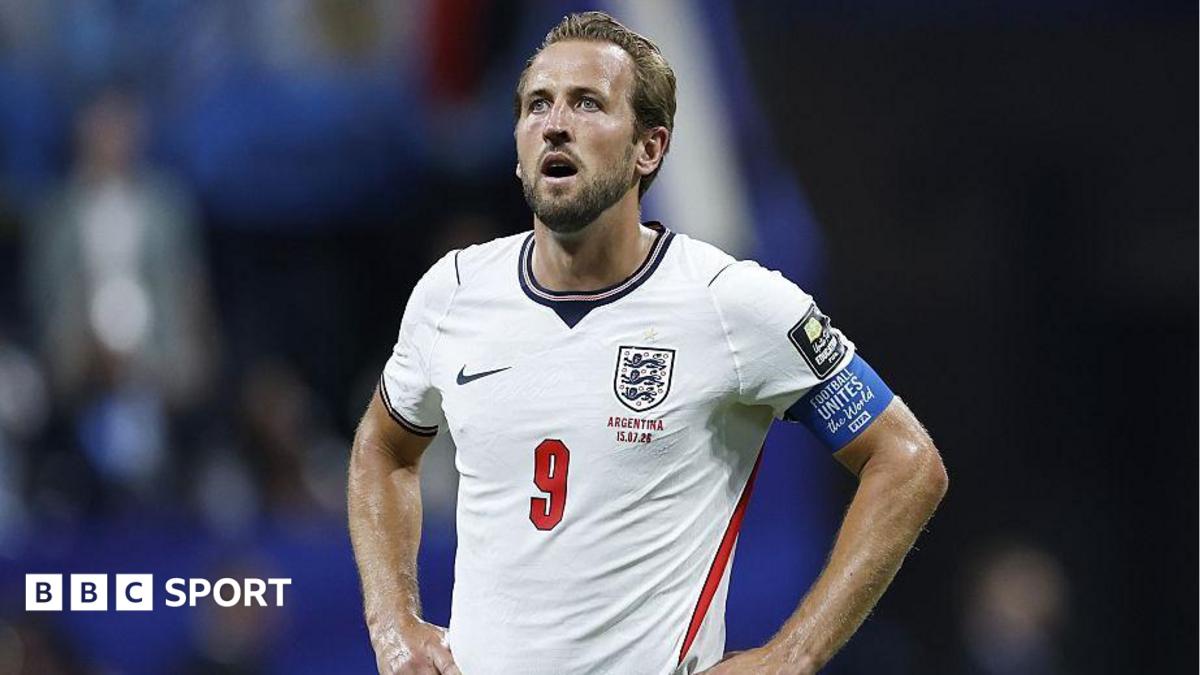
The Harry Kane security blanket is coming off
Let’s be real. English football has spent the last decade building an entire tactical identity around Harry Kane. He is the ultimate cheat code, dropping deep to spray cross-field balls while still finishing like a clinical assassin. But he is not immortal. Watching him hit the twilight of his career is like watching your favorite legacy PC game struggle to launch on Windows 11.
We are currently staring at a transition period that could derail the Three Lions if the coaching staff keeps trying to find a clone rather than evolving the system. You look at the current crop of talent in the Premier League and there isn’t another striker who offers that specific hybrid profile. If you try to force a traditional poacher into that role, the entire midfield engine room ceases to function.
The false nine is not a dirty word
Some purists act like a false nine is some exotic, un-English experiment that involves wearing a beret and drinking espresso. Get over yourselves. The modern game is defined by fluidity, and frankly, England’s attacking transition often looks like a frantic scramble because they are waiting on a stationary object to hold play up.
A mobile front line could exploit the space between the opposing center-halves and pivot midfielders in a way that currently has teams packing their penalty boxes with ten men. The talent is there. You have creative geniuses who are essentially rotting on the periphery because the current tactical skeleton refuses to bend. Experimenting with a rotation of pacy, inverted forwards could open up the pitch effectively.
The risk of the post-Kane vacuum
As the BBC reported, the looming shadow of Kane’s eventually departure is starting to dominate the conversation. My issue isn’t with the transition itself; it’s with the lack of planning. We are seeing a stubborn adherence to the status quo that feels destined for a spectacular flameout in the next major tournament.
Nobody wants to admit that the team might have to sacrifice height for velocity. If they keep trotting out a lumbering target man just because it feels comfortable, they are going to get picked apart by teams that actually value space manipulation. We have seen this specific mistake with previous generations, usually ending with a heartbreaking exit in a shootout or a messy tactical panic move in the 80th minute.
The lack of a contingency plan
Where is the backup strategy? It’s arguably reckless to bank on a singular profile for an entire project. History shows that teams without a Plan B get steamrolled the moment an opponent adjusts their high press. If you are reading this and thinking we should just wait for the next academy wonderkid to save us, you are part of the problem.
Look at the progression of the most dominant sides in recent years. They rotate, they switch, they disrupt. England is currently playing like it’s 2018 in a 2026 world. If they don’t start testing a more flexible attacking structure immediately, the transition will be less of a graceful retirement and more of a complete system crash.
The data suggests that successful teams are moving toward positionless football anyway. Why do we insist on shackling ourselves to a dying position? It is time to let the attackers roam, drag defenders out of their comfort zones, and stop relying on a single captain to drag the team through the mud for 90 minutes. Failure to pivot isn't just stubbornness, it is professional negligence.
Read Next






