Tactical stagnation in the final third
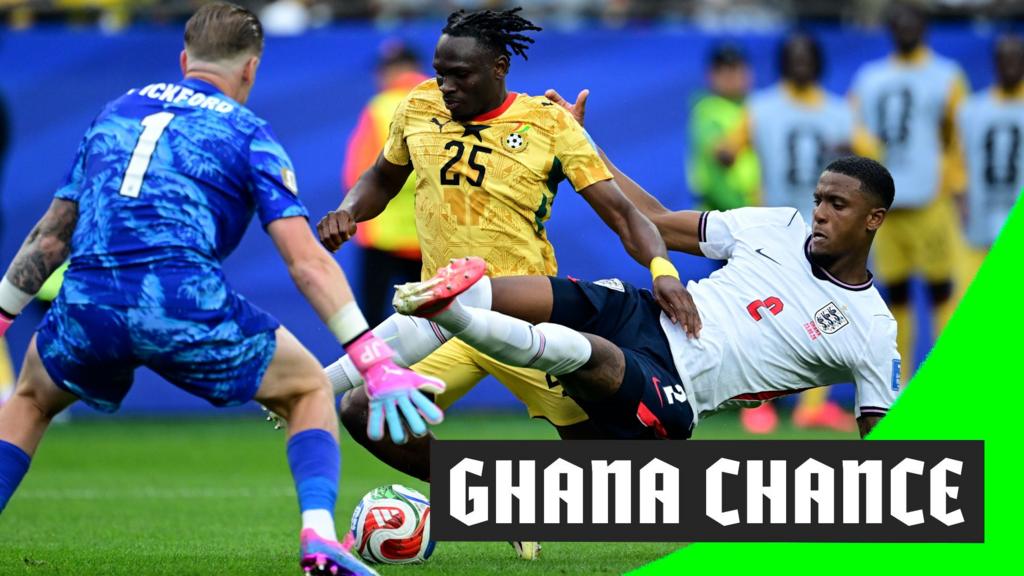
England enters the next stage of this tournament under a cloud of scrutiny. The stalemate with Ghana on June 22 was not a one-off performance; it was a symptom of a systemic inability to break down disciplined banks of four. When Ezri Konsa lunged into that challenge on Prince Adu, he saved a point, but that moment of desperation highlighted the fragility of a high-line defense tasked with shielding a stagnant attack.
The statistics from the group phase are damning. England boasts 58% possession on average, yet the transition from the middle third to the attacking third is pedestrian. Players are taking three touches where one or two would suffice, allowing opponents to shift their shape and congest the central channels. Without vertical movement from the wing-backs, the width is purely auxiliary, serving only to facilitate sideways passing rather than meaningful penetration.
The cost of defensive inertia
In contrast to England's sterile dominance, the tournament has already shown us how to execute a plan effectively. Just look at the data behind Paraguay's tactical masterclass against Turkey. They surrendered 64% of the ball yet finished with a 1-0 scoreline. They understood that efficiency counts for more than control.
England currently lacks that killer instinct. The current personnel rotation suggests a desire for rhythm, but rhythm requires intent. Passing the ball to the touchline only for it to cycle back to the center-backs is a waste of energy. Opposing managers have identified this pattern; they no longer fear the press because England’s build-up is entirely predictable.
Where the game will be won
The upcoming fixture hinges on whether the coaching staff can introduce a genuine trigger in the final third. We need to see more frequent diagonal passing to exploit the half-spaces between the fullback and the center-half. If the strategy remains to simply funnel runners into the box without a sustained plan to manipulate the defensive block, we are looking at another 90 minutes of frustration.
Furthermore, the reliance on set-pieces needs to be balanced by open-play variety. If England cannot unlock a defense by the 60th minute, the inevitable collapse of confidence often leads to avoidable errors at the back. Konsa’s tackle against Ghana was a 0% chance event that could have been a penalty had the officiating leaned the other way. You cannot build a winning campaign on the assumption that VAR will continue to look the other way.
Prediction: A narrow, unconvincing win
England possesses enough individual quality to eventually force a breakthrough, but the tactical structure remains flawed. I expect a disjointed first half followed by a scrappy goal off a deflection or a late corner kick. Let’s call it a 1-0 victory for England. It won't be pretty, and it won't silence the critics, but it will be enough to progress. If they rely on the same patterns seen against Ghana, they will be out of this tournament before the quarter-finals.
Read Next