England's medical room reaches boiling point
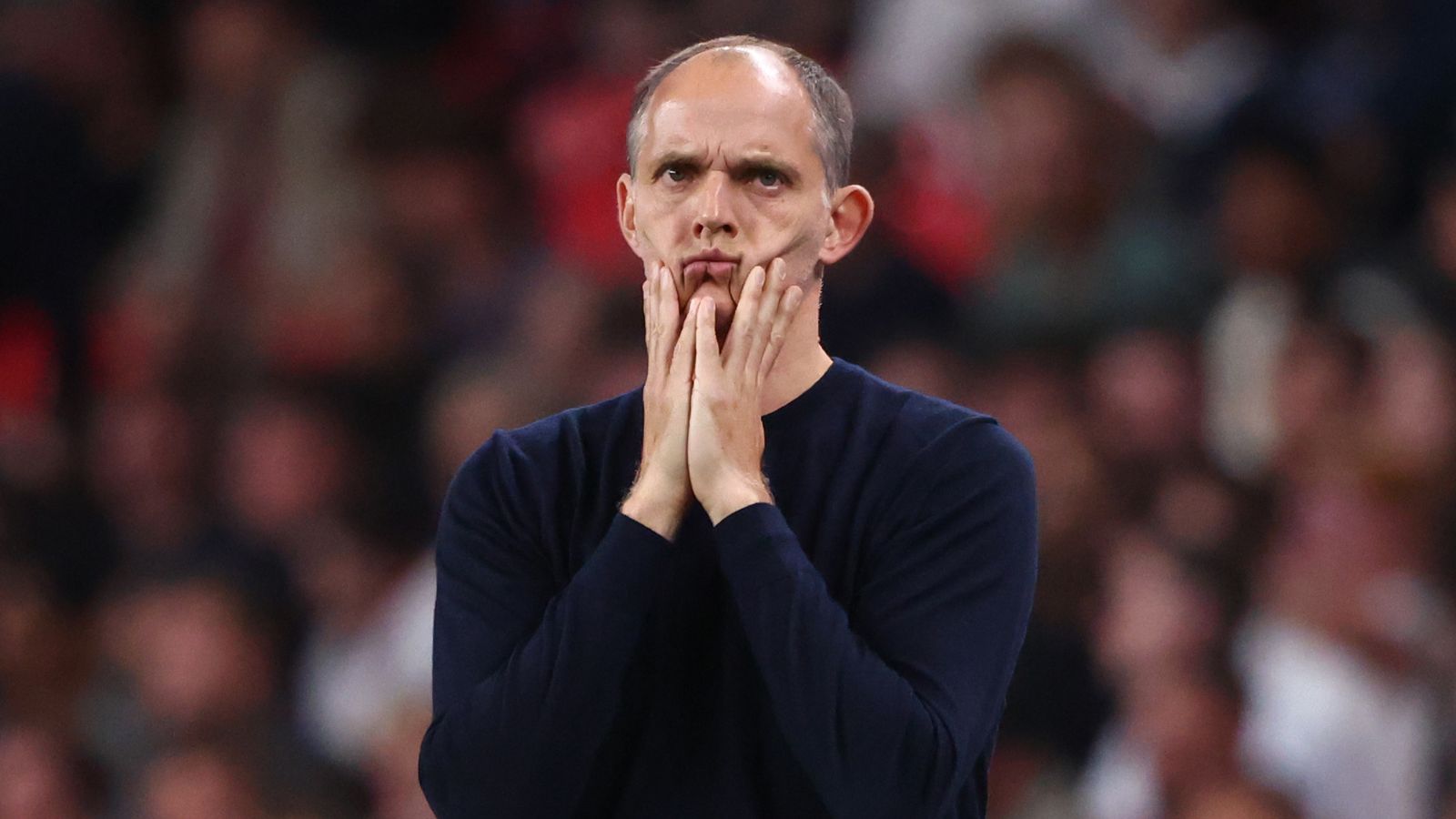
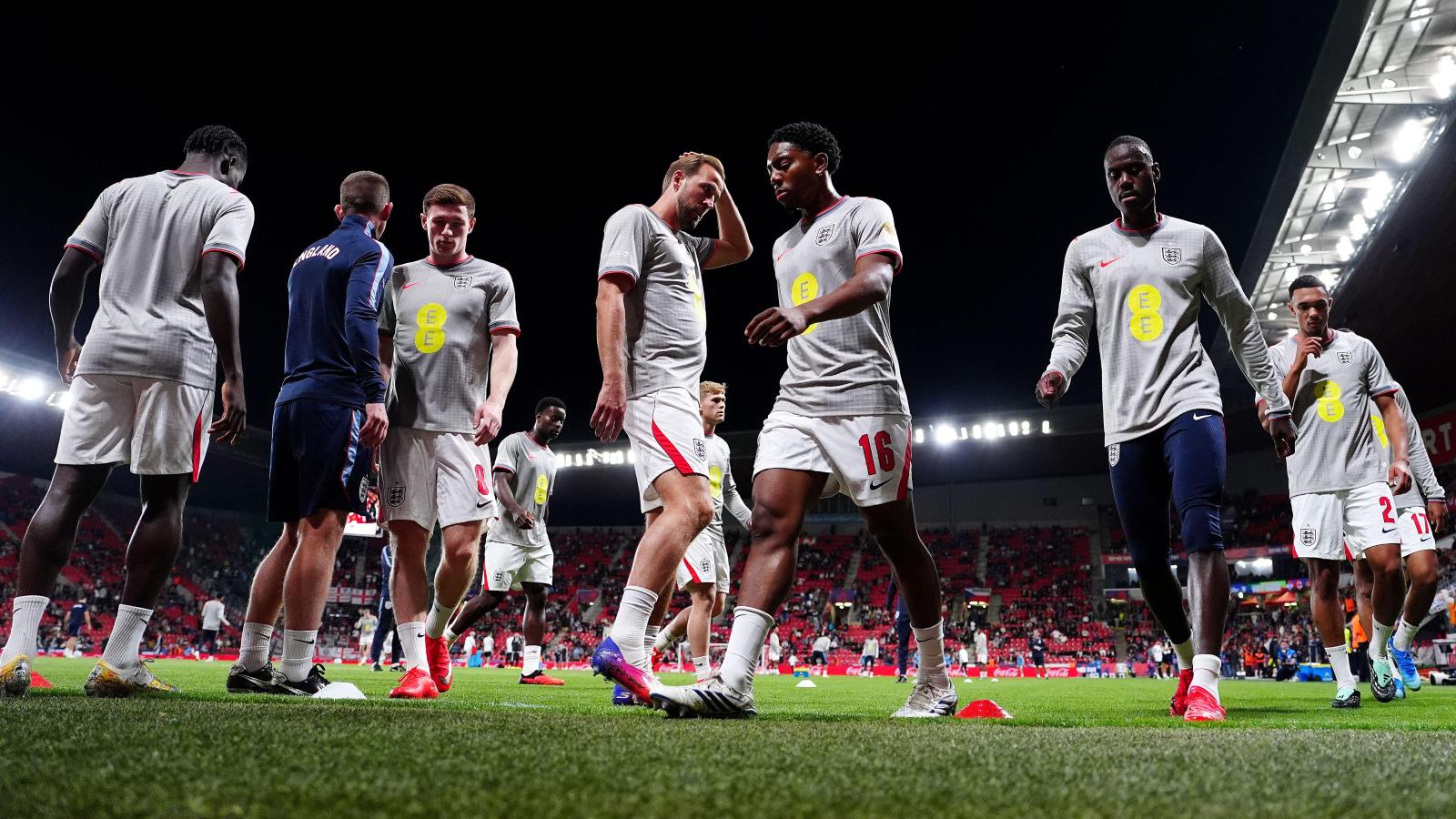
England enter their World Cup quarter-final against Norway on Saturday nursing undisclosed fitness concerns within the squad. While the camp remains tight-lipped regarding specific medical assessments, multiple reports confirm that several first-team players are undergoing modified training routines. The medical staff faces a restricted window to clear these individuals for a high-intensity matchup.
This uncertainty comes at a poor time for the squad as they prepare to neutralize Erling Haaland. The forward enters the match with 7 goals in just four appearances, putting immense pressure on England's backline. Any absence or reduction in defensive output could force a dangerous tactical reshuffle.
The weight of expectation and external stressors
The England camp is currently contending with more than just muscle fatigue. As recent reporting indicates, the standard of accommodation in Miami has actively hindered player recuperation. Djed Spence’s family was forced to relocate after discovering mold in their hotel, a logistical failure that reflects broader complaints regarding the tournament's operational consistency.
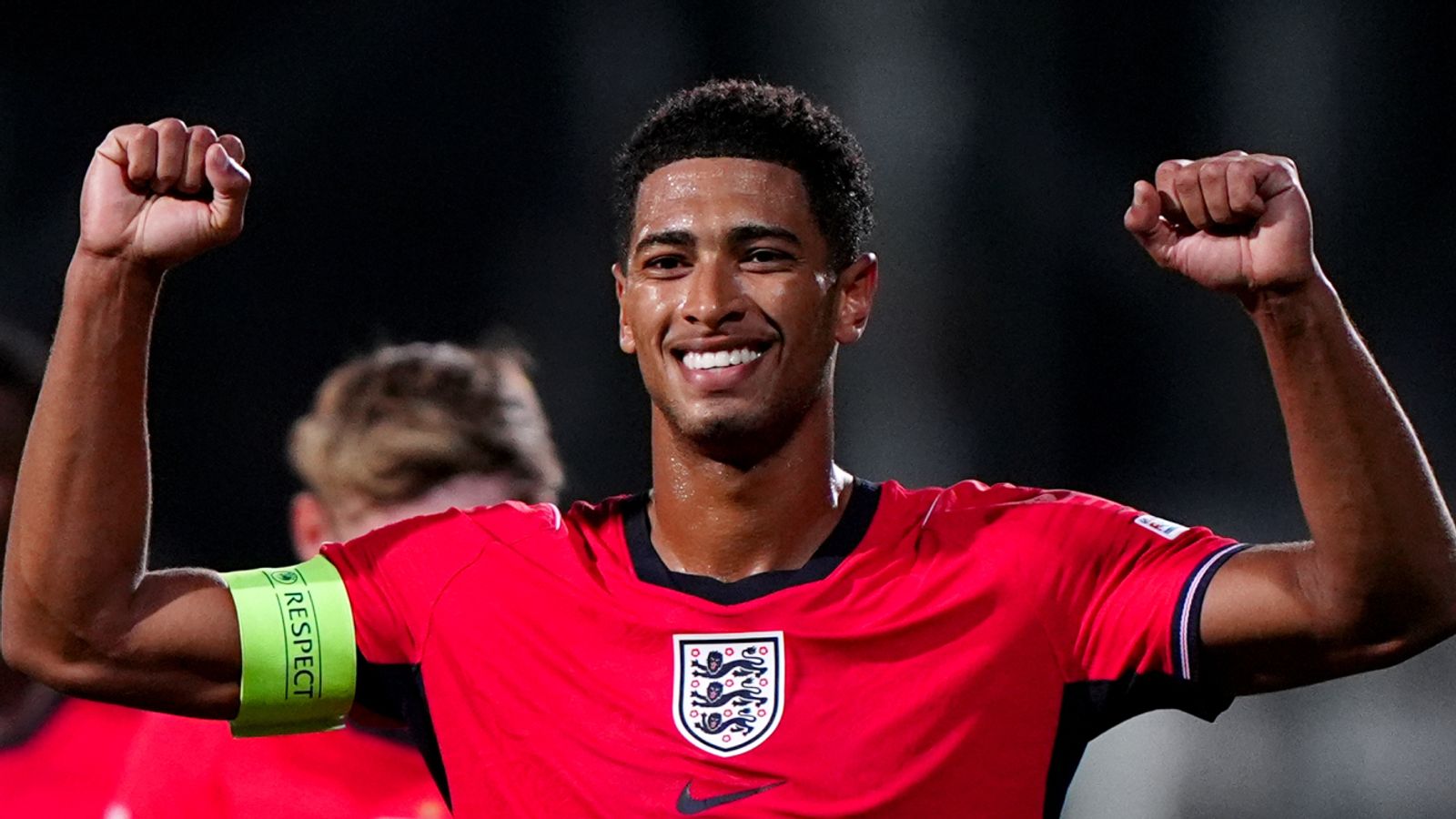
These off-field distractions coincide with direct pressure on the stars. Bukayo Saka and Anthony Gordon have been publicly singled out by critics, with observers demanding they perform at a higher level during the knockout stages. The combination of recovery-impeding environments and increased scrutiny makes this a delicate recovery period for key contributors.
Strategic risks and refereeing shadow
Tactical continuity is at risk if England’s medical team dictates that key starters must be benched. Injuries at this late stage of a tournament rarely allow for a full return to match fitness, leading to lingering performance deficits. Managers often gamble on players returning at 80 percent, which can backfire against high-pressing opponents like Norway.
The atmosphere surrounding the match is further clouded by controversy. FIFA has already barred Premier League referees Michael Oliver and Anthony Taylor from officiating matches involving Lionel Scaloni’s Argentina team following accusations of bias. As noted by Mark Clattenburg, the governing body is under extreme scrutiny regarding their referee assignments, particularly regarding the handling of suspended bans for key players.
Historical context and weather delays
The fixture itself carries heavy legacy weight. England last faced Norway in a World Cup scenario decades ago; historical ticket stubs reveal that the cost of entry for that encounter was roughly £3.50, a stark contrast to today's tournament expenditures. The contrast serves as a reminder of how high the stakes—and the costs—have climbed.
Adding to the uncertainty, the Miami venue is subject to a severe weather warning that threatens to delay or postpone the kick-off. Weather-induced delays are notoriously difficult for medical staffs, as players lose the rhythm of their pre-match warm-ups. A prolonged stop-start transition often increases the risk of soft-tissue pulls, making the final injury assessment potentially moot until minutes before the actual whistle blows.
This accumulation of incidents leaves England on thin ice. Between the environmental hazards and the intense physical demands of facing a striker of Haaland’s caliber, their path to the semi-finals is obstructed by a significant margin of error. Management must now decide whether to protect their injured talent or risk long-term damage for a single knockout appearance.
Read Next
- Tuchel faces his biggest nightmare in Miami as England meet Norway
- Why the England-Norway clash is a tactical nightmare for Thomas Tuchel
- Haaland's 'stay humble' jibe is the ultimate trap for Thomas Tuchel's England
- Thomas Tuchel is walking into a tactical minefield against Norway
- 🏆 World Cup 2026 — Full Coverage Hub
- 🏴 England World Cup 2026 — Three Lions Hub
- 🇳🇴 Norway World Cup 2026 — Can Haaland Lead the Vikings?