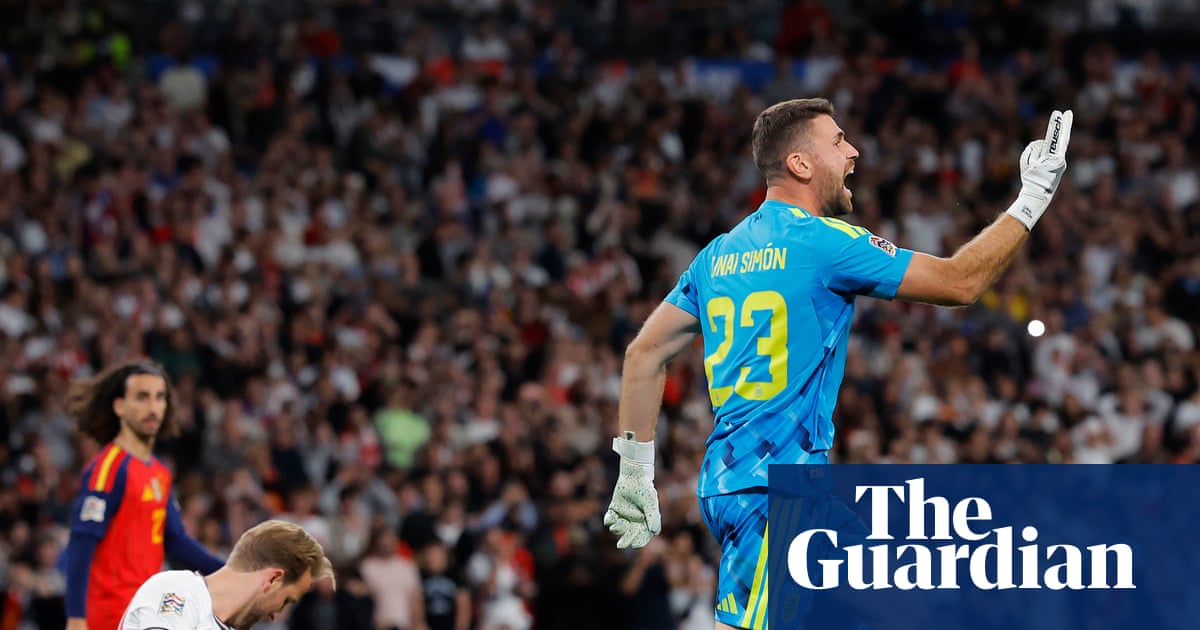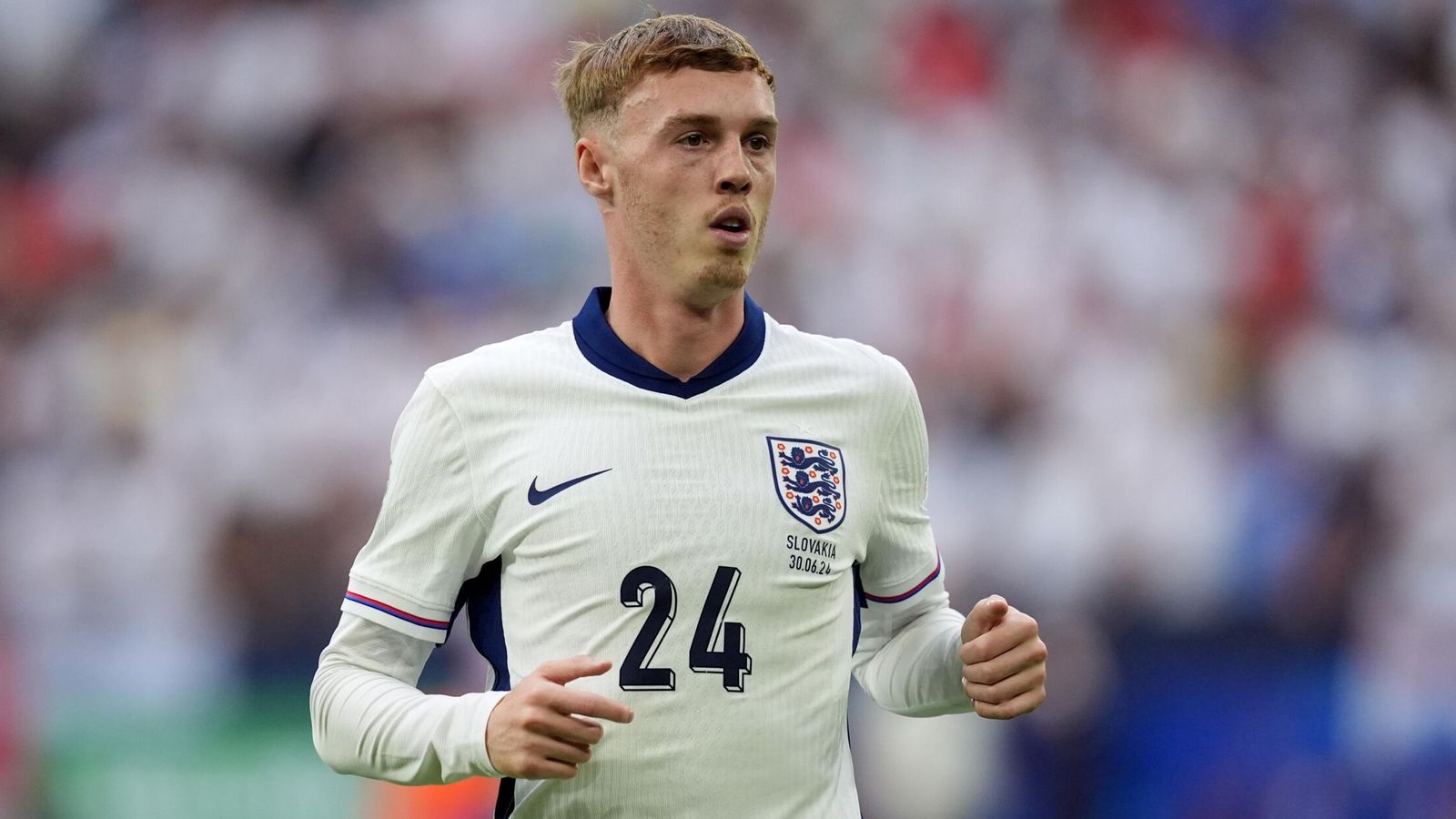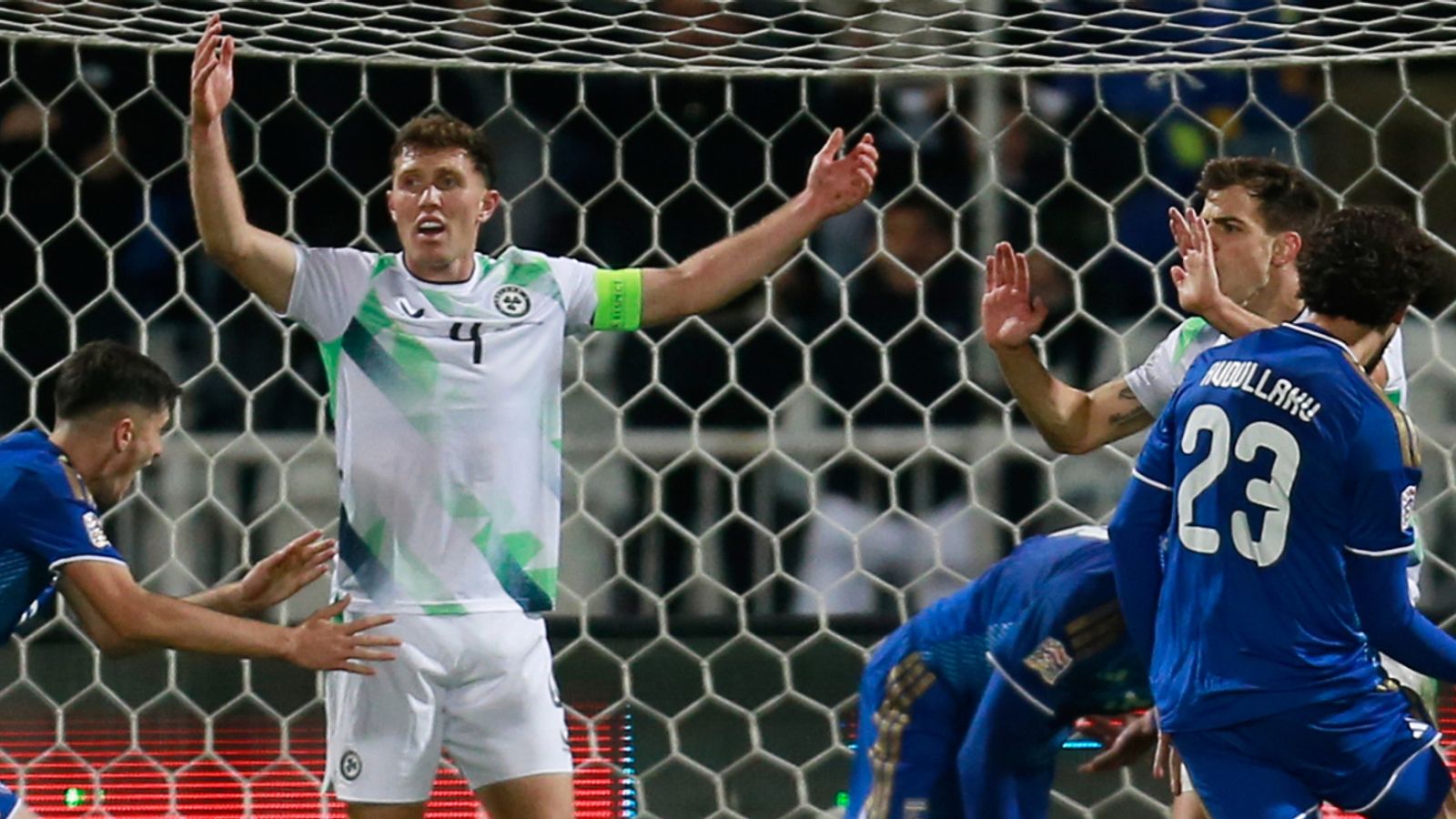
Four minutes of madness cannot mask Spain's total dominance
Scorelines in international football often tell beautiful lies. When the board at Wembley flashed 2-3 at the final whistle of England's Nations League opener against Spain, it was tempting to view the result as a heroic near-miss. You could blame a greasy pitch or a captain's slip and convince yourself luck decided the outcome.
That comfort is an illusion. Outside a frantic four-minute spell before the interval, Spain did not merely beat Thomas Tuchel's side—they controlled them. Luis de la Fuente’s world champions played with a calm authority that made Wembley feel like a training pitch in Madrid.
The damage started almost immediately. Just two minutes in, Marc Guehi misjudged a routine ball under pressure, allowing Lamine Yamal to pounce as Sky Sports reported in their match coverage. Yamal drove into the box and put Spain ahead before supporters had settled.
It was a brutal demonstration of top-tier efficiency. Gift space to Yamal and you get no second chance to recover. England spent thirty minutes chasing shadows as Spain kept sixty percent possession.
Yet England found a lifeline before half-time. Anthony Gordon finished a sharp counter-attack to draw England level. The Newcastle winger was England's best player on the night, driving aggressively into open channels whenever Spain left space behind their full-backs.
Four minutes later, Harry Kane outjumped his defender to head England into a 2-1 lead. Remarkably, Spain conceded more goals in those four frantic minutes than across their entire World Cup campaign.
For a brief moment, Tuchel’s tactical plan of sitting compact and striking on the transition seemed to work. But riding a four-minute wave of adrenaline is not managing a ninety-minute football match.
The delusion of parity in the post-match tunnel
What happened after the restart exposed the chasm between temporary momentum and sustained elite performance. England started the second half with real intent, pressing higher and winning a penalty when Kane was fouled in the box.
Then came the defining moment. Kane stepped up to give England a two-goal cushion, but his plant foot gave way on contact, sending the ball high over the bar. It was an agonizing mistake from a captain who rarely misses from twelve yards.
Instead of steadying themselves, England unravelled. Spain raised their tempo instantly, and substitute Alex Baena capitalized on a misplaced pass from Nico O'Reilly to slot home the equalizer.
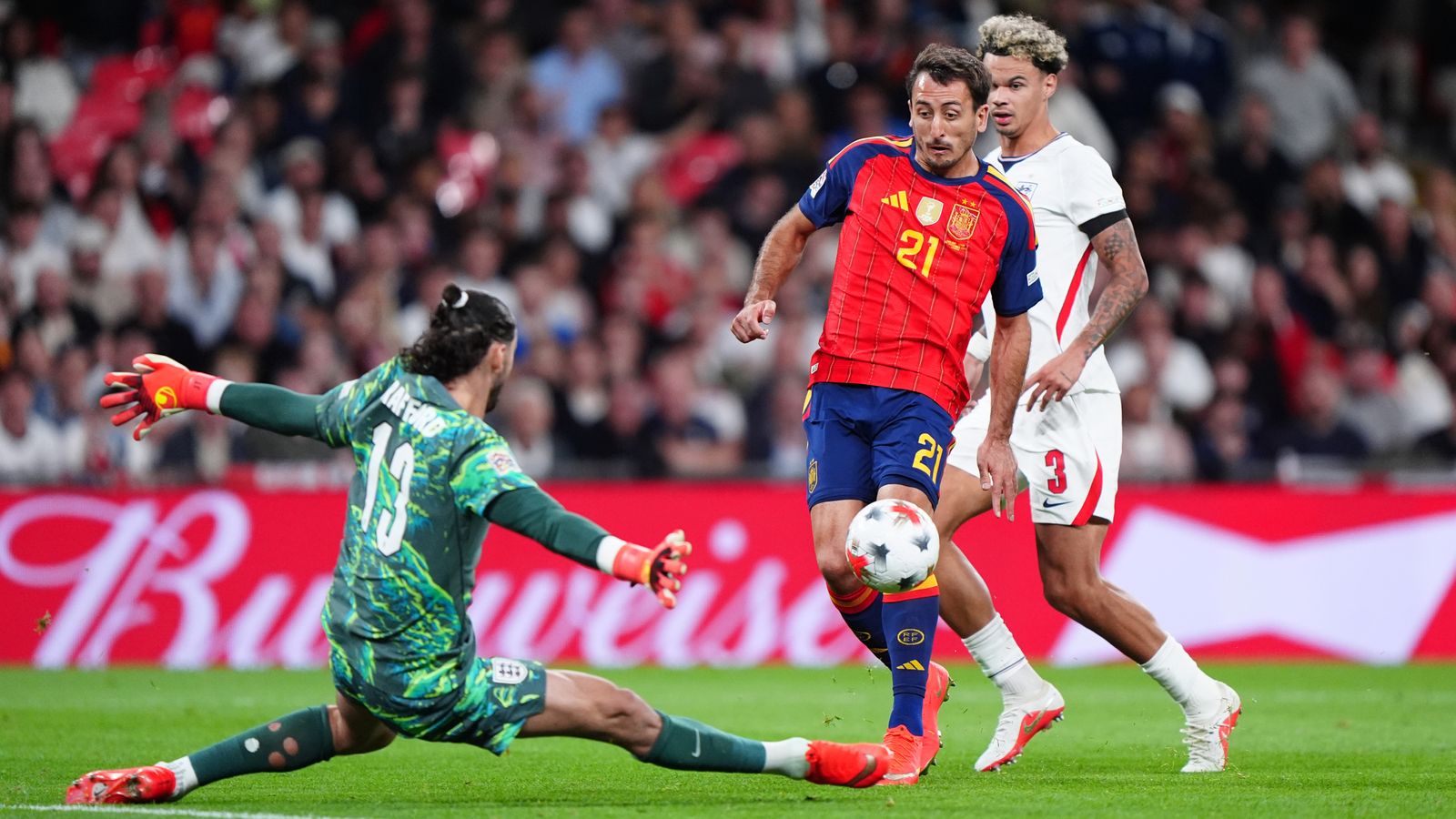
Baena then cut through England's backline to feed Mikel Oyarzabal for the winning goal. It was a cruel echo of the Euro 2024 final, where Oyarzabal similarly broke English hearts with a late strike.
The victory extended Spain’s astonishing unbeaten streak to 39 games. Yet after the final whistle, Anthony Gordon claimed England were operating on the exact same tier as the world champions.
"I don't think there is a gap [to Spain] I feel like we're right there," Gordon told ITV Sport. "We can win that game so easily. If the penalty goes in we can go on and win the game."
Gordon's confidence is admirable, but his analysis ignores how the match unfolded. As detailed by Sky Sports in their match coverage, former Ireland captain Roy Keane offered a far sharper assessment on ITV.
"I disagree with Gordon, I think there is a gap," Keane said. "I think there is, obviously [Spain are] world champions, European champions."
Keane is right. Spain manager Luis de la Fuente noted his side lost control for only six to seven minutes all evening. Outside that brief spell, Spain dictated the tempo and passing lanes effortlessly.
Tuchel tried to strike a balanced tone, admitting errors cost his side while insisting England had Spain on the ropes at half-time. "Details matter on this level," Tuchel conceded after the match.
Tactical breakdown: Why England's double pivot collapsed
Blaming defeat solely on Kane’s slip or individual errors overlooks structural flaws. England's main failure was how easily their double pivot was bypassed once Spain pressed high.
Guehi's early error for Yamal's goal was not an isolated misstep. It was the direct result of Spain trapping England's center-backs along the touchline with a three-man pressing wave.
The spatial distance between England's center-backs and central midfielders was far too wide. When Nico O'Reilly inverted from his defensive slot, he lacked immediate passing options. His misplaced pass before Baena's equalizer was born out of panic under pressure.
Spain trigger their trap the second an opponent opens their body to receive a lateral ball. Once O'Reilly misdirected his pass, Baena needed only two touches to punish England's exposed defense.
Compounding matters was England's loose mid-block. When Spain regained possession, simple third-man runs repeatedly cut through England's midfield line, leaving defenders isolated against Yamal and Oyarzabal.
Gordon’s pace on the wing was a genuine threat, and Kane's movement created chances. But top teams cannot rely on attacking moments to mask defensive disorganization.
As noted in analysis by Sky Sports News senior correspondent Rob Dorsett, Wembley saw a scalp slip away because Spain were superior over ninety minutes. You cannot claim parity when your defense collapses under twenty minutes of pressure.
Prague and beyond: What Tuchel must fix before Tuesday
The Nations League calendar leaves no time for self-pity. On Tuesday, September 29, Tuchel takes England to Prague to face the Czech Republic with a 7.45pm kick-off.
The trip to the Eden Arena presents a different test, but one that will probe the same vulnerabilities. Czech Republic will deploy an aggressive mid-block designed to choke central passing lanes.
If England's center-backs take three touches before releasing the ball in Prague, the Czechs will jump the passing channels. Guehi and his partners must increase their distribution speed to avoid costly giveaways.
Tuchel must also adjust his full-back positioning during build-up. Rather than having O'Reilly invert into congested central areas, England need wide defenders providing width to stretch the Czech block.
England then travel to Croatia on Saturday, October 3, before hosting the Czech Republic on October 6. Dropping points in Prague would severely damage England's Group A3 ambitions before October gets underway.
To secure three points in Prague, England must execute three tactical priorities:
- Faster first-phase ball progression: Moving the ball quickly to bypass mid-block triggers.
- Tighter double pivot spacing: Keeping central midfielders within ten yards of defenders during build-up.
- Early service to wide runners: Feeding Gordon’s raw pace before the opponent sets a low block.
Tuchel was hired to win matches like Wembley—to turn England into ruthless winners. Admitting Spain are currently a step ahead is not weakness; it is the prerequisite for progress.
If England pretend a slipped penalty was the only difference against the world champions, they will repeat those mistakes in Prague. Using the Wembley lesson to enforce tactical discipline is the only way forward.
Expect a physical battle at the Eden Arena on Tuesday as Czech Republic test England's resolve. If Gordon and Kane get early service, England should secure a hard-fought 1-2 victory to begin closing the gap.
Read Next
- Tuchel is dropping the hammer on Palmer — and Spain won't offer any mercy
- Anthony Gordon is telling the truth about England's fatal flaw
- Thomas Tuchel is making excuses before Spain even arrive at Wembley
- Tuchel's England collapse again as Spain expose a familiar 55-minute flaw
- 🏴 England World Cup 2026 — Three Lions Hub
- 🇪🇸 Spain World Cup 2026 — La Roja Hub