You could feel the mood shift inside Wembley right around the 55-minute mark. One moment England were leading 2-1 and pressing Spain with furious energy, and the next they were chasing ghosts across the pitch. Thomas Tuchel’s side had arrived at their familiar witching hour.
It was an unsettlingly identical script to their nightmare in Atlanta two months ago against Argentina. Once again, England built a second-half lead against World Cup finalist opposition. And once again, the final 35 minutes vanished in a fog of midfield submission, ending in a 3-2 defeat.
Yet dismissing this loss as a simple rerun of past cowardice misses the tactical reality. As detailed in The Guardian's match report, England were significantly better here than they were in Georgia. They pressed higher, fought harder, and refused to resort to desperate long balls when the game turned against them.
The problem was not a lack of courage. It was the technical wall England hit when Spain decided to take the football back. When an elite system team starts moving the ball with geometric precision, hard running is never enough.
Early chaos and Wembley's cold reality
Wembley on a Saturday night can be a chilly, sterile venue. The atmosphere at kick-off felt more like a low-throttle tribute show than a hostile cauldron. Spain took full advantage of that early silence, carving through England almost immediately.
Marc Guéhi suffered a nightmare moment inside his own box, gifting Spain an opening that Lamine Yamal converted with cold efficiency. For fifteen minutes, watching England try to tackle Spain was like watching men try to tackle water. Ferran Torres sliced through the backline, wasting two outrageously inviting chances to put the game out of reach.
Rodri dictated the tempo from deep, operating as if surrounded by his own portable demilitarised zone. Every Spanish pass found a pocket of space. England looked primed for an early humiliation in their Nations League opener.
Then Elliot Anderson stepped up and changed the physical temperature of the match. The midfielder began snapping into tackles, forcing Spanish receivers to turn back toward their own goal. His aggression injected genuine life into an anxious home crowd.
England's equalizer on 36 minutes was a masterclass in direct counter-attacking football. Anderson won a crunching tackle deep in his own half and released Jude Bellingham. Bellingham surged box-to-box before sliding a precise pass to Anthony Gordon, who stroked a finish into the bottom corner.
Suddenly, England were playing in relentless surges. They won physical duels and forced Spain into an uncharacteristic footrace. Harry Kane then turned the match on its head, finishing cleanly to put England 2-1 ahead and sending Wembley into raptures.
Pitchside, the home supporters broke into a roaring rendition of the Tuchel anthem, sung to the tune of Low Rider. Jarell Quansah smashed a point-blank clearance straight into Marc Cucurella’s face, drawing massive cheers from a crowd that sensed blood. England looked capable of turning the evening into a genuine ordeal for the European champions.
The 54th-minute slip and the voodoo shift
Then came the sequence that turned the match on its head. In the 54th minute, Bellingham tumbled inside the penalty area after a challenge. A lengthy VAR review ensued, untangling a sequence that featured both a legitimate trip and an obvious dive.
The referee stood by the penalty call, ruling that a dive does not cancel out an illegal trip. Kane stepped up to seal what felt like a decisive two-goal cushion. He waited longer than his standard routine, took his stride, and planted his standing foot into the turf.
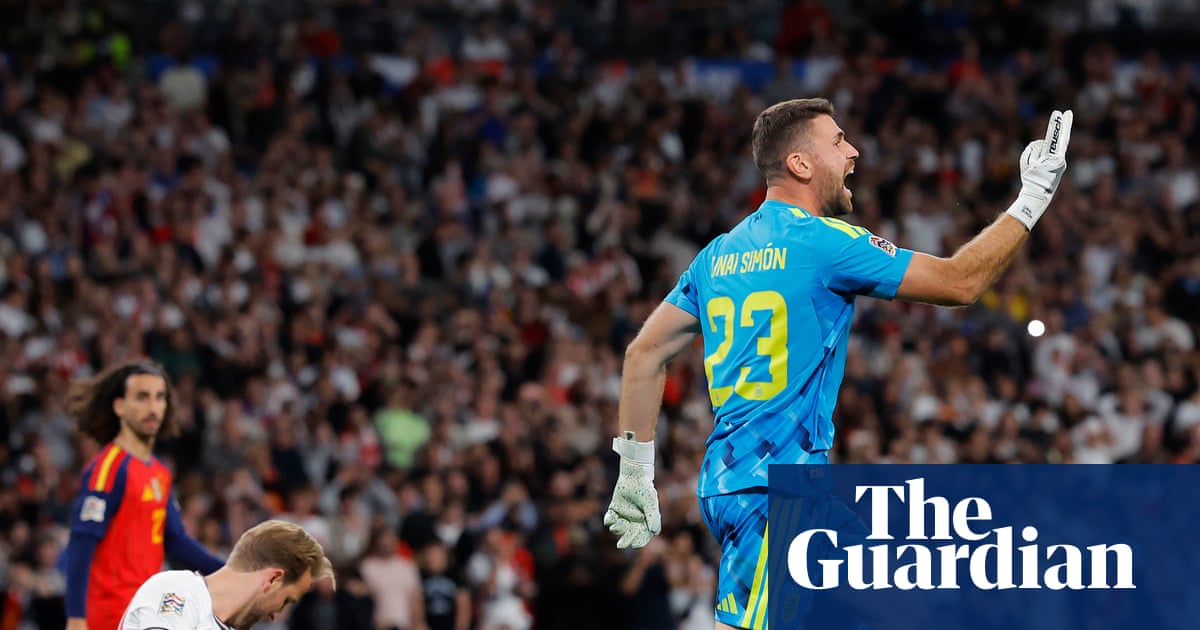
His standing leg slipped upon impact. Instead of picking the corner, Kane’s striking foot hit the ball awkwardly, sending his spot-kick crashing off the crossbar. The collective groan across Wembley was instant and deafening.
The clock ticked over from 54 to 55 minutes, and the atmosphere shifted instantly. Spain did not just survive the penalty scare; they smelled blood in the air. A familiar sense of dread descended upon the stadium.
Within five minutes of Kane's miss, Spain were level. They moved the ball through midfield with effortless angles, making England's chasers look like amateur spectators. Luis de la Fuente’s side had completely reclaimed the ball.
Fourteen minutes later, Spain struck again to make it 3-2. Both of Spain's decisive second-half goals were created or scored by substitutes brought off the bench. Neither of those game-changers looked remotely like Dan Burn, highlighting the vast gap in technical depth between the two squads.
Atlanta ghosts versus the Wembley evolution
It is impossible to watch this defeat without remembering Atlanta. In July, England held a 1-0 lead over Argentina at the 55th minute mark thanks to an Anthony Gordon strike. What followed was a total system failure.
During those final 35 minutes in Georgia, England collapsed like an over-dunked digestive biscuit. They retreated into a panicked back five, surrendered the ball entirely, and managed a pathetic 12% possession while conceding twice.
The narrative after that match focused heavily on manager cowardice and broken team DNA. Critics accused the squad of lacking bravery under pressure. Yet as Barney Ronay pointed out in his analysis, comparing Atlanta to Wembley ignores clear technical progress.
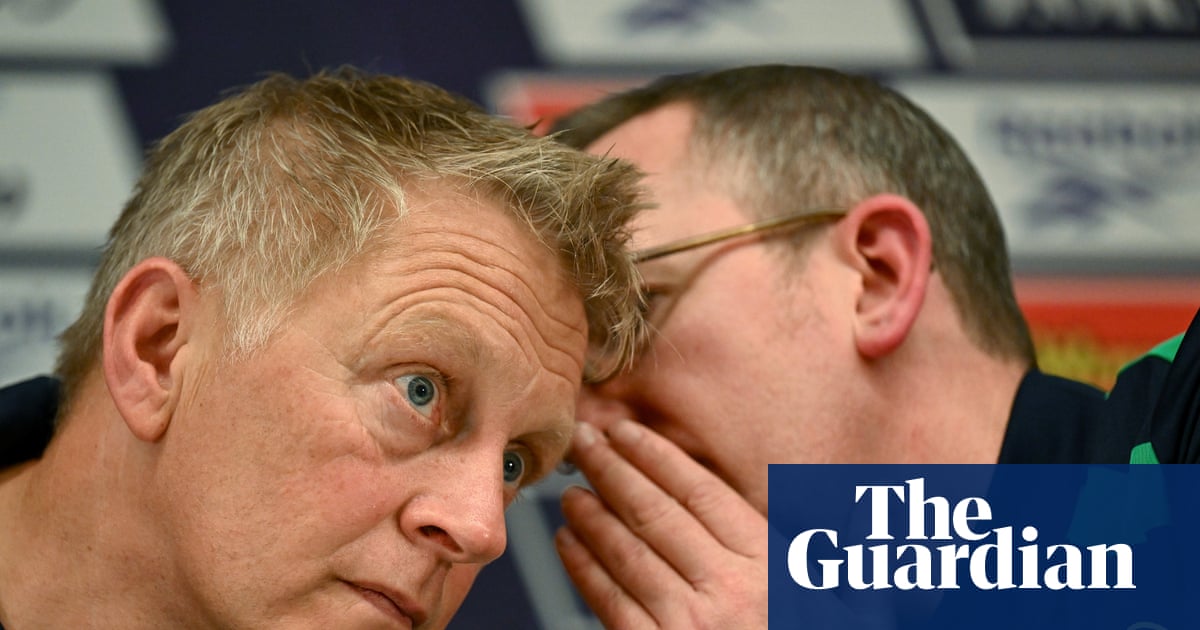
Against Spain, England did not retreat into a shell. Tuchel spent the second half pacing his technical area in a gleaming blue gilet, arms wheeling furiously as he urged his players forward. England maintained their high press and kept searching for passes into the final third.
The fundamental difference was tactical quality. England were not hiding from the ball; they were simply outmaneuvered by a team of 11-year-old chess prodigies. Spain did not beat England with raw power; they beat them with positioning and patience.
The midfield chasm and Tuchel’s long road
The decisive moment of managerial management arrived on 70 minutes when both benches turned to midfield substitutes. De la Fuente sent on Pedri, while Tuchel replaced the exhausted Anderson with James Garner.
Pedri entered the pitch like a playful little horse, floating into space and demanding the ball at every opportunity. His arrival completed Barcelona’s midfield trio of Pedri, Rodri, and Dani Olmo on the pitch at the same time.
That trio operated with absolute mastery. While Garner worked hard to close down spaces, he lacked the technical fluency required to disrupt Spain’s passing triangles. England were left windmilling their arms in empty space, held at arm's length by a superior footballing culture.
Spain remains the nation that tortures English football the most. They represent everything England wishes to be: a deeply ingrained coaching philosophy that produces technical consistency under pressure. They are the mirror that exposes every structural weakness in the English game.
Even in defeat, there were genuine late chances for England to snatch an equalizer. They fought until the final whistle, forcing Spain to defend their penalty box in stoppage time. There was no shame in the effort, even if the result felt painfully familiar.
Tuchel faces a steep learning curve as he builds toward major tournament football. Losing the final 35 minutes by a 2-0 margin in consecutive benchmark matches points to systemic endurance and rotational issues. High-intensity pressing requires either elite ball retention or flawless bench rotation to survive 90 minutes.
England have shown they can match the world's best teams for an hour. The challenge now is surviving the witching hour when legs grow heavy and elite opponents turn up the tactical heat. Progress is visible, but until England master midfield control, the 55-minute curse will continue to haunt them.
Read Next
- Harry Kane admits England still panic whenever they face elite teams
- James Garner got called off a Turkish beach to fix England's midfield
- James Garner's crazy England callback exposes Thomas Tuchel's midfield mess
- England keeps retreating when it matters most, and Harry Kane knows it
- 🏴 England World Cup 2026 — Three Lions Hub
- 🇪🇸 Spain World Cup 2026 — La Roja Hub
- 🏆 UEFA Nations League Final Four 2026 Hub — June 4-8, Lisbon