Tuchel’s Line in the Sand and the Palmer Problem
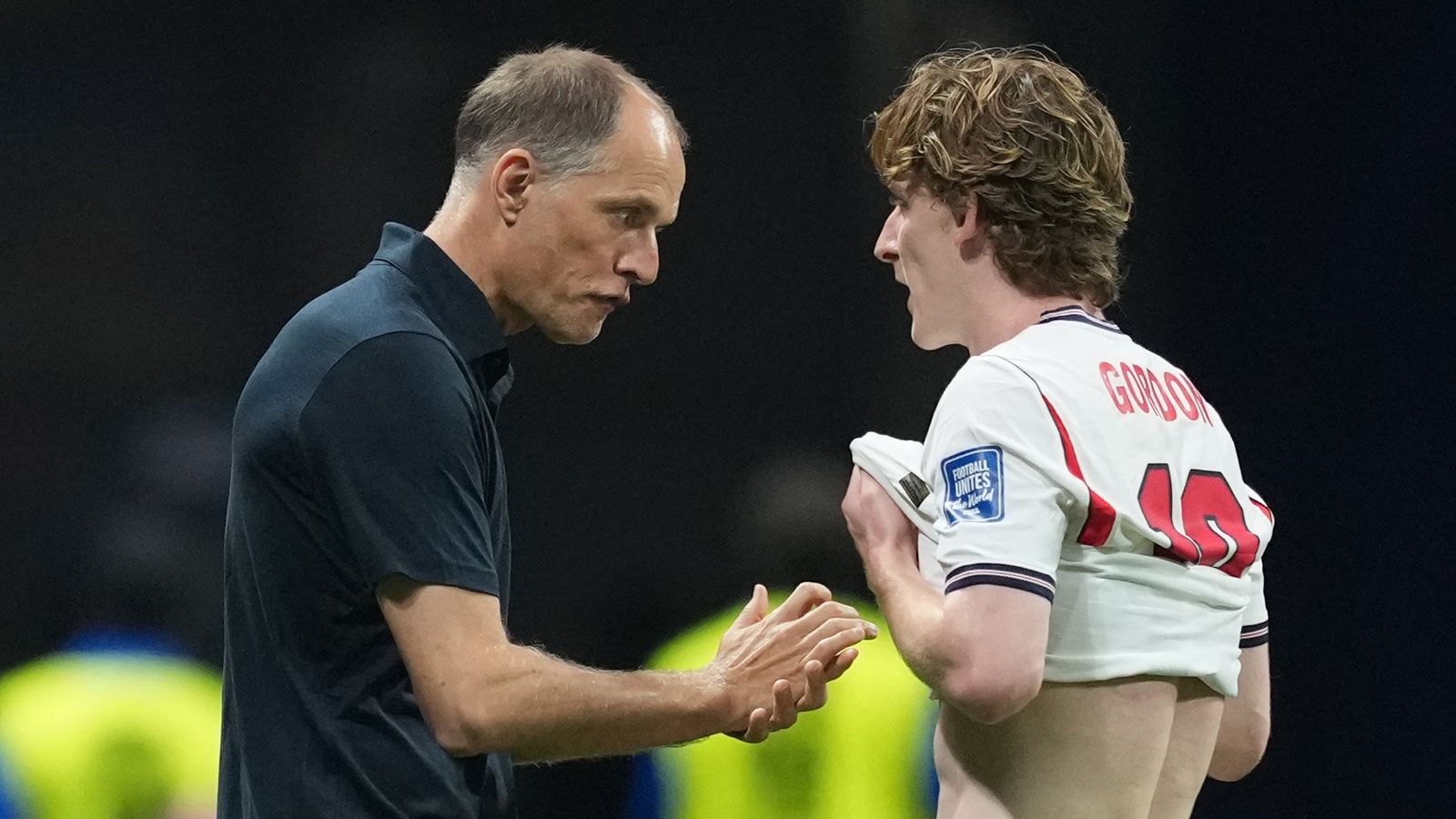
Thomas Tuchel does not do subtle diplomacy. When Cole Palmer pulled out of England duty for the second time under his tenure, the manager did not offer the usual polite platitudes about player welfare. He laid down a cold, deliberate challenge instead.
Palmer completed 90 minutes for Chelsea at Brentford on Friday night. Yet forty-eight hours later, the national team received word that his body could not withstand international competition. As Sky Sports reported, Tuchel responded by questioning how desperate the playmaker actually is to wear the shirt.
It was a public execution of squad privilege. Managers usually cover for their stars when club-versus-country friction emerges. Tuchel chose to contrast Palmer's absence with Morgan Gibbs-White packing his bags after twenty-four hours in Dubai.
"This is not an 'international break'. It's a competitive environment, where the players love to train and be together."
That quote tells you everything about the culture Tuchel wants to build. You are either in the trenches or you are out of the picture. Palmer has accumulated six goal involvements in seven games for Chelsea this season, but numbers at Stamford Bridge count for nothing if you do not turn up to Wembley.
The tactical fallout is immediate. Palmer's ability to drift inside from the right half-space and unlock deep blocks was supposed to be England's primary weapon against elite possession sides. Without him, the creative burden shifts entirely to Jude Bellingham.
Bellingham thrives when given absolute positional freedom in the central corridor. But when forced to play as a rigid apex predator in a 4-2-3-1, his natural instinct to drop deep can clog the central zone. Tuchel needs him operating as a second striker rather than an extra midfielder on Saturday night.
This situation also opens a rare window for Morgan Rogers and Eberechi Eze. Both players carry the ball in transition with far more vertical aggression than Palmer. If Spain press high, that straight-line running power might prove more lethal than intricate passing play.
Midfield Vacuum: Rebuilding the Engine Room Without Rice
Palmer is not the only high-profile withdrawal forcing a tactical rethink. Declan Rice, Kobbie Mainoo, Marcus Rashford, and Tino Livramento have all left camp. Losing Rice strips England of their primary defensive screen.
Against Spain, missing your main destructive pivot is bordering on reckless. Luis de la Fuente’s side control tempo by overwhelming central midfield triangles. Without Rice to cover ground and disrupt passing lanes, England risk getting passed off the park.
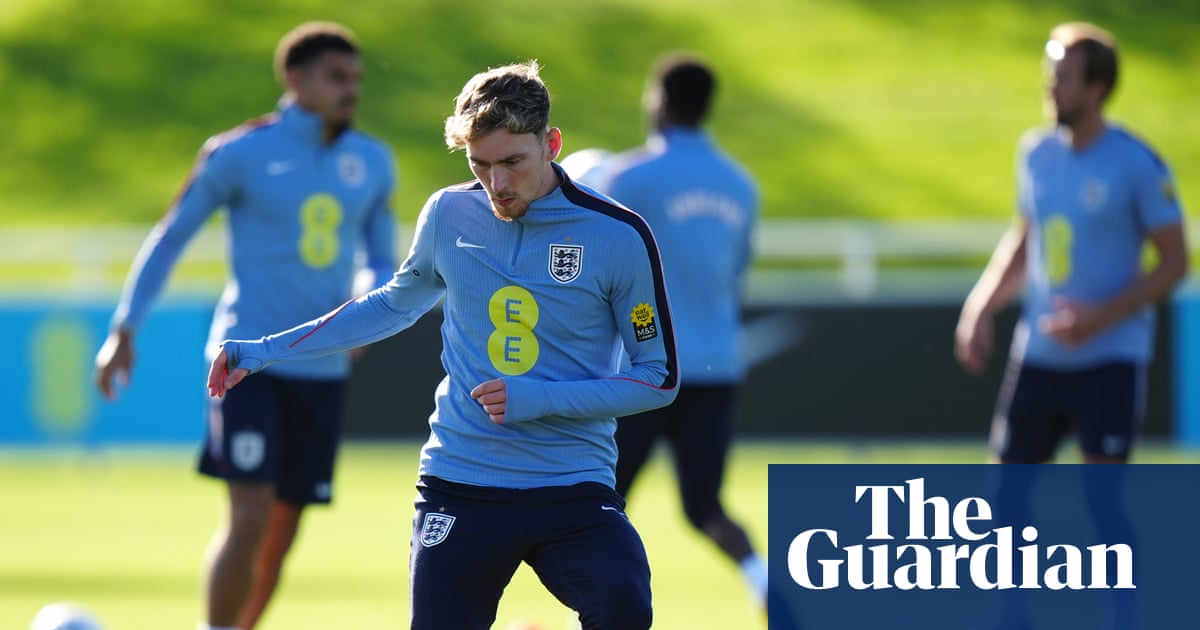
Tuchel must construct an entirely makeshift central midfield double-pivot. Adam Wharton or Angel Gomes could step into the deep playmaker role, but neither possesses Rice's aerial presence or recovery speed. A double-pivot of Gomes and Conor Gallagher offers energy, yet lacks structural discipline.
Look at how Spain dismantle uncoordinated pressing shapes. They use double pivots to draw opposition central midfielders forward before slicing vertical passes into the half-spaces. If Gallagher jumps out of position to press, Spain will immediately exploit the space behind him.
England’s defensive transition stats without Rice paint a worrying picture. In matches where Rice did not feature over the past two years, England conceded 42% more progressive passes through the central third. That is a glaring structural flaw against Spain's technical orchestrators.
Harry Kane addressed the wave of squad withdrawals earlier this week, attempting to project unity amid the chaos. But leadership speeches do not fix broken pressing structures. Tactical coherence requires repetitive training reps that this patched-up squad simply lacks.
blockquote>"I can only judge him on what he is delivering for the national team and he's just missing too many opportunities."
Tuchel’s blunt summary of Palmer applies equally to England's second-string midfielders. This Nations League opener is not a friendly walk in the park. It is a brutal fitness test across four games in 11 days that will expose any player unfit for high-intensity international football.
Tactical Blueprint: Stopping Spain’s 3-2-5 Build-up Structure
Spain arrive at Wembley with their tactical blueprint etched into muscle memory. Under de la Fuente, they build up in a fluid 3-2-5 shape. Their inverted full-back steps inside alongside the holding midfielder, creating a box midfield that overloads two-man opposition presses.
To disrupt this build-up, England cannot afford a passive mid-block. Sitting deep against Spain invites endless possession, suffocating your own wingers and forcing your backline to defend inside their own penalty box for sixty minutes. Tuchel's sides are built on aggressive front-foot triggers.
High Press Triggers and Midfield Traps
Watch for England’s wide forwards to jump aggressively onto Spain's full-backs the moment a lateral pass is struck. Bukayo Saka must pin their left-back while Bellingham screens the central passing lane into the pivot. If the timing of that jump is off by half a second, Spain break the line with one touch.
The critical weakness in Spain's system lies in the space behind their high defensive line. When their full-backs invert, they leave massive acres of grass along the touchlines. Rapid turnover transitions will decide whether England can break their rhythm.
Exploiting the Space Behind Spain's High Line
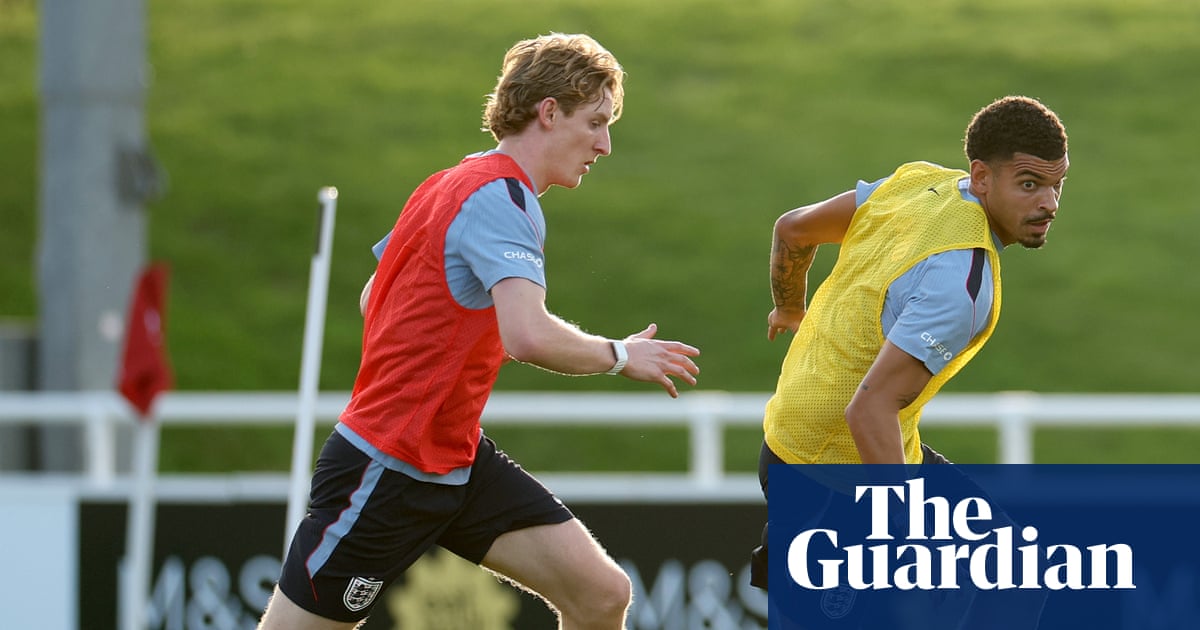
When England win the ball in their own defensive third, they must bypass Spain's counter-press with immediate diagonal balls into the channels. Saka and Anthony Gordon must sprint behind Spain's centre-backs before their rest-defense structure can settle.
If England try to out-pass Spain in a slow, methodical build-up, they are playing right into de la Fuente’s hands. Spain’s PPDA (Passes Per Defensive Action) drops to under 8.2 in the opposition half. They trap you near the touchline and force desperate turnovers.
There is also a defensive liability on England’s left side. Without Livramento or a fully fit natural left-back, Spain’s right winger will target that flank relentlessly. Isolated 1v1 situations inside the box could prove fatal for England's patched-up defense.
The Big Call: Match Prediction and Tactical Verdict
This match is a crossroads moment for Thomas Tuchel’s tenure. The German coach has drawn a clear line in the sand regarding squad commitment, prioritizing elite tactical culture over star names who prefer the treatment room. But noble principles do not guarantee points on the board.
Spain are a polished machine that does not care about England's internal squad drama. They possess superior positional discipline, better central rotation, and a settled tactical identity. England are entering this battle with a hollowed-out midfield and an experimental central setup.
Bellingham will produce moments of individual brilliance, and Saka will test Spain's high line in brief spurts. But football matches between top-tier nations are won in the engine room. Without Declan Rice to anchor the side, England will eventually concede control of the tempo.
Expect an intense opening twenty minutes where England's high press creates genuine chances. However, as legs fatigue in the second half, Spain’s relentless possession will wear down England’s makeshift double-pivot. The visitors will exploit central gaps once the home side's pressing energy wanes.
Tuchel will get a clear answer about who is ready to suffer for his vision. But on Saturday night, Spain’s tactical maturity will prove too much for a squad undergoing an awkward culture shift. The match kicks off at 7.45pm, and it promises to be an eye-opening evening for the Three Lions.
My prediction: Spain silence Wembley with a controlled 2-1 win, leaving Tuchel with plenty of tactical homework before traveling to Prague.
Read Next
- Anthony Gordon is telling the truth about England's fatal flaw
- Thomas Tuchel is making excuses before Spain even arrive at Wembley
- James Garner got called off a Turkish beach to fix England's midfield
- James Garner's crazy England callback exposes Thomas Tuchel's midfield mess
- 🇪🇸 Spain World Cup 2026 — La Roja Hub