Fae Fires Back After Historic Philadelphia Victory
PHILADELPHIA — Emerse Faé has drawn a line in the sand. Moments after leading Ivory Coast to their first-ever World Cup knockout stage appearance, the manager launched a stinging attack on Germany legend Bastian Schweinsteiger. The former Manchester United star had described the Ivorian playstyle as 'wild' and 'African' on German television.
Faé, speaking in the press room at the Lincoln Financial Field, did not mince words. He called the pundit's remarks flat-out racist, signaling a major diplomatic incident at the tournament. As Daily Mail reported, the comments have ignited a fierce debate over how European broadcasters analyze African teams.
The dispute began when Schweinsteiger, working as an analyst for German network ARD, assessed Ivory Coast's tactics ahead of the final group games. His analysis relied heavily on old, tired tropes about the continent's football. He characterized their setup as lacking discipline and structure.
"A bit African football, a bit unorthodox, a bit wild, a bit perhaps also not so conditioned by tactics. We have to be prepared for it to be unpredictable"
For Faé, the comments were a personal blow. The Ivorian boss grew up idolizing the German midfielder, even earning the nickname 'Bastian' from a former training partner. He expressed disappointment that a player he admired for his understanding of the game would make such comments.
The manager's voice remained calm, but his words carried immense weight. He rejected the idea that this was simple tactical analysis, calling it what it was. He challenged the football establishment to move past these outdated, lazy descriptions.
"So when I heard this comment, I was disappointed. Disappointed in the man. When you know football as well as he does, it's odd that he would speak in a way that we could call racist, if we're calling a spade a spade."
Fae hoped the comments were merely a clumsy mistake rather than a reflection of Schweinsteiger's character. He acknowledged that the pressure of television punditry can lead to sensationalized statements. Still, he stressed that high-profile analysts must be held to a higher standard.
Tactical Discipline Silences the Critics
On the pitch, the Ivorians delivered a masterclass in tactical organization that directly contradicted Schweinsteiger's narrative. Faé lined his team up in a rigid 4-3-3 shape, focusing on compact lines and disciplined defensive transitions. The strategy neutralized Curaçao's threat from the opening whistle.
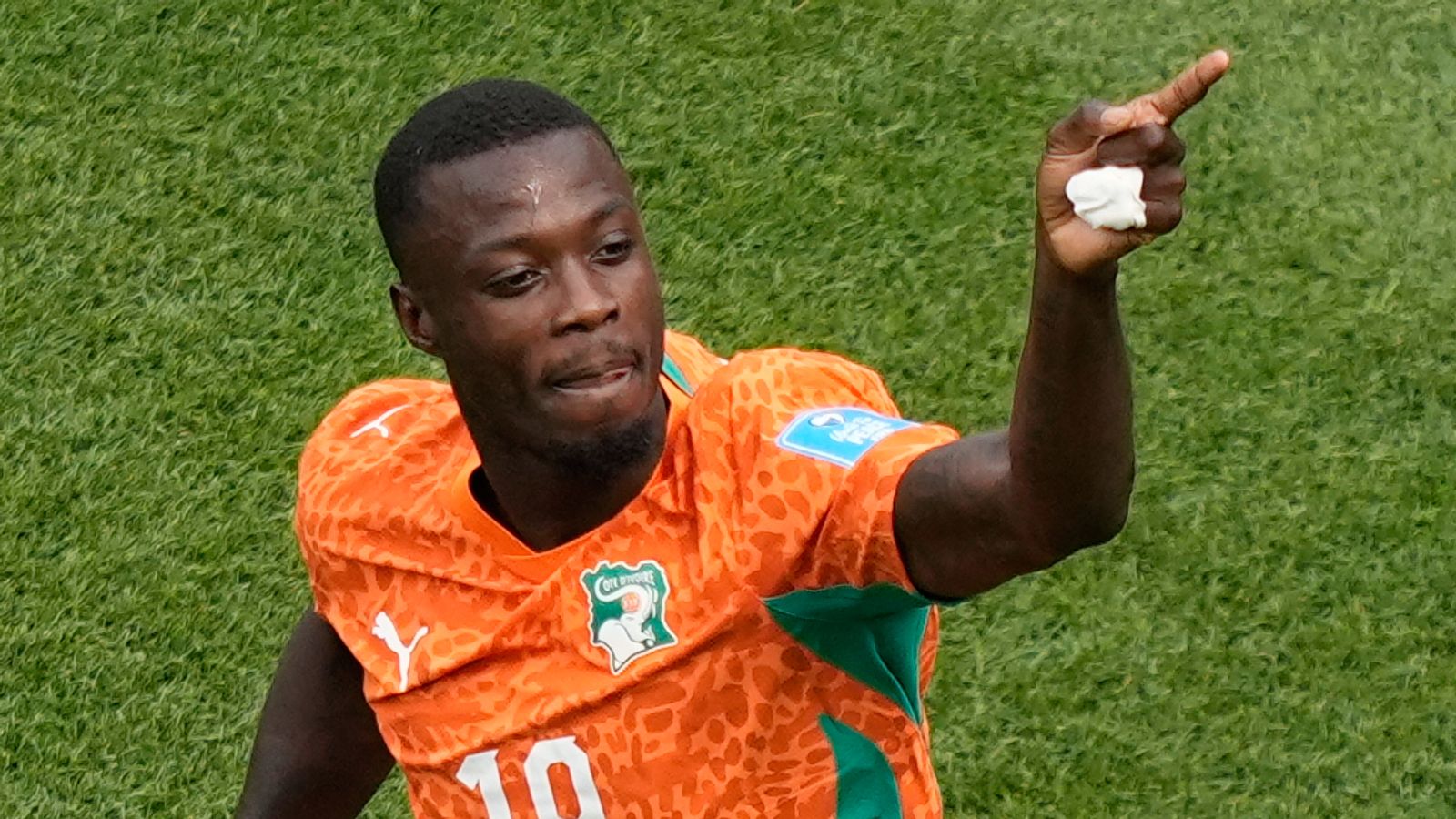
The breakthrough came in the 7th minute through a beautifully worked team move. Winger Yan Diomandé broke free down the right wing and delivered a precise, low cut-back. Nicolas Pépé timed his run perfectly to tap the ball home, scoring the fastest World Cup goal in his nation's history.
Rather than chasing a second goal wildly, Ivory Coast sat back in a composed mid-block. They allowed Curaçao to retain possession in harmless areas while completely shutting down the passing lanes to striker Juninho Bacuna. It was a mature, controlled performance that showed a deep understanding of game management.
The patience paid off in the 64th minute when Ibrahim Sangaré intercepted a loose ball in the center circle. The midfielder drove forward before feeding Pépé on the right edge of the penalty box. Pépé cut inside onto his left foot and curled a stunning effort into the top corner.
The 2-0 victory secured Ivory Coast's place in the Round of 32, a historic achievement for a country that has produced legendary players but had never previously advanced past the group stage. As Sky Sports reported, the whistle triggered emotional celebrations among the players and coaching staff.
The victory concluded Curaçao's historic debut at the tournament, which ended with them sitting at the bottom of the group. Despite the pre-match optimism in FourFourTwo's match build-up, the Caribbean side could not match the athletic intensity and tactical discipline of the Ivorians.
Analyzing the Flaws in the Ivorian Setup
Despite the historic victory, Faé’s side is not without its flaws. In the final twenty minutes of the first half, the midfield trio of Sangaré, Franck Kessié, and Seko Fofana became overly passive. They allowed Curaçao to dictate the tempo and register three shots on goal, exposing a tendency to switch off when leading.
Curaçao, making their World Cup debut, fought admirably but ultimately lacked the quality to break down the block. Winger Jearl Margaritha created several half-chances, but his final delivery was repeatedly cut out by Evan Ndicka. A stronger team in the knockout rounds will not be so forgiving of Ivory Coast's passive spells.
The reliance on Pépé’s individual brilliance is also a concern. While the winger was clinical, the central strikers struggled to influence the match, leaving the offense looking one-dimensional at times. If opponents manage to double-team Pépé in the next round, Ivory Coast may struggle to find the net.
Ecuador Stuns Germany in Group E Climax
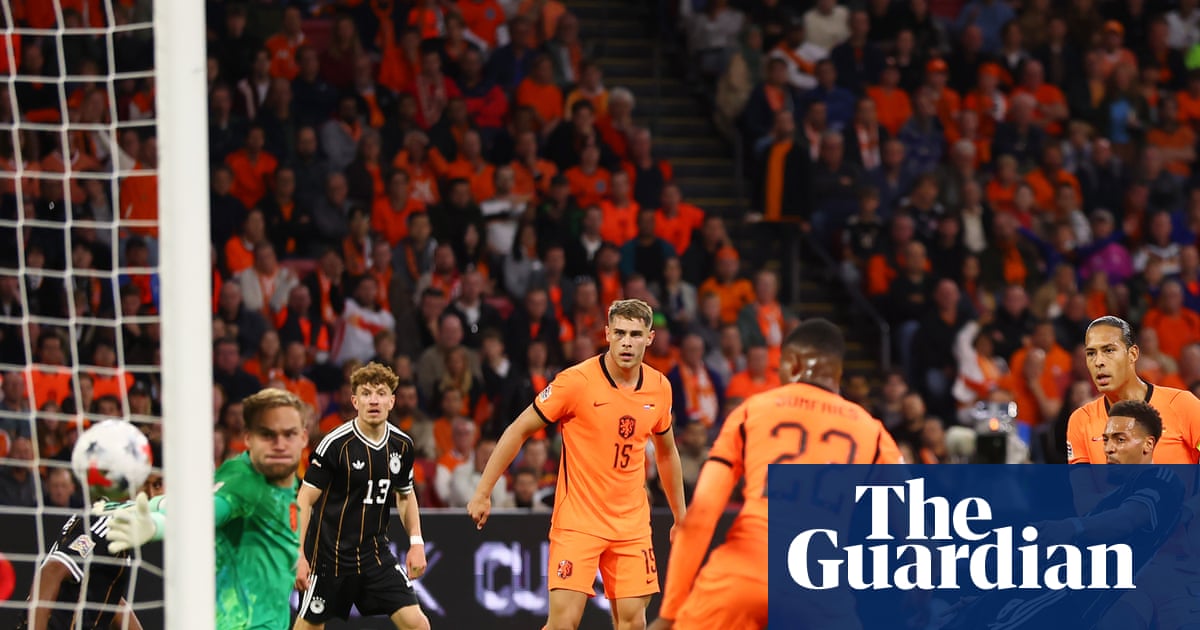
The drama in Philadelphia was mirrored in the other Group E match, where Ecuador pulled off a shocking 2-1 upset over Germany. Julian Nagelsmann's side entered the match as heavy favorites but put in a defensive performance that will worry German fans. The German backline looked completely disorganized against Ecuador's aggressive press.
Germany took an early lead through Leroy Sané in the second minute, but the advantage lasted only seven minutes. Nilson Angulo capitalized on a defensive error to equalize, before Gonzalo Plata scored the winner in the 77th minute. The defeat exposed massive cracks in the German defense that other teams will look to exploit.
Ecuador’s victory secured their progression to the Round of 32 as one of the best third-placed teams. They finished the group stage with four points, behind Germany and Ivory Coast, who both finished with 6 points. Germany claimed the top spot in Group E solely due to their superior goal difference.
The final standings show just how tight Group E was, with three teams progressing to the knockout stages. Curaçao’s historic World Cup run came to an end, finishing bottom of the group with one point. However, their performance in Philadelphia showed they could compete on the big stage.
The Broadcaster Defensive Playbook
The fallout from the Schweinsteiger controversy has put German broadcaster ARD on the defensive. The network released a statement backing their pundit, claiming his comments were strictly analytical. They argued that "wild" and "unorthodox" are standard football terms used to describe unpredictable teams.
Schweinsteiger also sought to downplay the incident, stating he had no intention of offending the Ivorian team or people. He insisted his comments were focused on the tactical variance between European and African sides. But his explanation has done little to calm the anger in the Ivory Coast camp.
The controversy highlights a persistent issue in sports media, where African teams are frequently described using coded language. While European teams are praised for their intelligence and tactical sophistication, African sides are often labeled as physical or chaotic. Fae’s public stance is a direct challenge to this narrative.
As the tournament transitions to the knockout rounds, Ivory Coast will want the focus to remain on their achievements. They have proved they can compete with tactical discipline and defensive stability. The Round of 32 will provide the ultimate test of their credentials.
Read Next
- Why Pochettino's USMNT is about to hit a brick wall in the Round of 16
- England might actually win the World Cup and it is terrifying
- Forget the big names, these five young stars are running the World Cup
- We need to stop waiting for Reece James to save England
- 🏆 World Cup 2026 — Full Coverage Hub
- 🇨🇮 Ivory Coast World Cup 2026 — Les Éléphants Hub