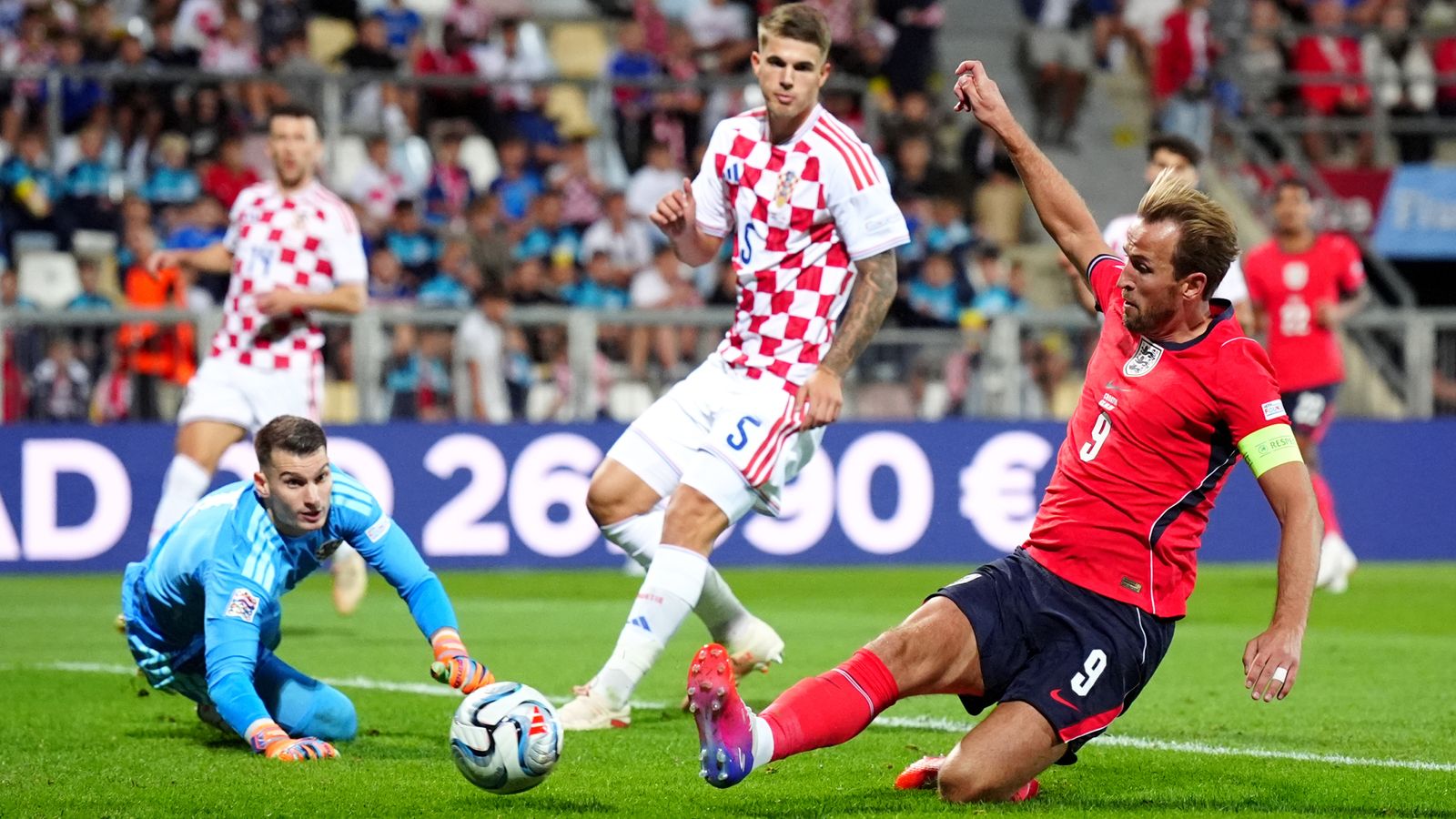
The unlikely hero of the tournament
England find themselves in a familiar tactical malaise. Thomas Tuchel has constructed a squad that prides itself on structural rigidity, yet when the game state dictates a requirement for attacking variance, the bench remains strikingly stagnant. Enter Djed Spence. His rise, as reported by the Daily Mail, is a minor miracle of modern personnel management.
Spence was initially discarded by Fulham as a teenager, a decision that appeared to signal the conclusion of his professional trajectory before it truly began. Instead, his development under Thomas Frank and his subsequent transition into an unconventional left-back/winger hybrid has flipped the script. Tuchel clearly views him as an agent of disorder. If he is deployed to unsettle a defensive line in the 75th minute, it is because the starting eleven failed to trigger the pressing rotations required to break the opposition.
The market reality for Spurs and Spence
While Spence captures the national imagination, the machinery behind his club career continues to churn. Tottenham are currently operating with a clear directive, and reports indicate they are already pursuing a third centre-back signing to bolster their defensive depth. Clubs in Serie A are being warned to monitor these moves closely, as Everton and other domestic rivals circle to gauge the availability of high-value assets should Tuchel’s experiments require a squad reshuffle.
We are watching a curious phenomenon where the international stage validates club-level squad building. If Spence excels as a super-sub, his market valuation will inevitably climb. Ongoing speculation regarding defensive arrivals suggests that the North London backline is due for a reconfiguration, potentially leaving the door ajar for a permanent departure based on the price-to-performance metrics established during these summer weeks.
Where the tactical math fails
The reliance on a player like Spence is a damning assessment of the starting XI's ability to maintain high-intensity width. If Tuchel requires a 'trouble-maker' to provide a late surge, he is admitting that his primary game plan lacks the verticality necessary to punish conservative low-blocks. It is a reactive strategy, not a proactive one.
Watching Spence operate in tight spaces reveals a player who lacks the nuanced link-up play of a traditional fullback, yet compensates with relentless, high-velocity ball carrying. He operates as an individualistic outlet rather than a cog in a system. When he enters the pitch, the team's shape inevitably stretches.
The verdict
There is no question that Spence will feature if the opposition keeps their defensive line stationed deep. I expect Tuchel to throw him on the moment the xG meter stops climbing. My prediction is a 1-0 victory for England driven by a moment of individual chaos from Spence’s flank, silencing the critics who view his inclusion as nothing more than a selection error. Do not look for clean, integrated football — look for the break in the 82nd minute that changes the game entirely.